



Growing Student Debt Expected to Hurt Retailers, Moody’s Warns

NEW YORK — In the past seven years, the average student debt burden has grown by about 53%, according to a Moody’s report. That growth has brought student debt in the United States to more than $1.3 trillion, and that figure is expected to continue to grow.
The largest share of outstanding student loans is held by graduates age 30 to 39. Many of these graduates belong to the millennial generation, which, according to Pew Research, have overtaken Baby Boomers as the nation’s largest living generation.
"It's difficult to say exactly which segments of the retail sector will take the biggest hit as student debt takes an increasingly bigger bite from graduates' disposable income," said Charlie O'Shea, Moody’s retail analyst. "But it is safe to say that the only potential 'non-losers' are retailers that benefit from the 'trade-down' effect, such as discounters, warehouse clubs and dollar stores."
In the same seven years that yielded a 53% increase in student debt, graduate wages only increased by 3%, according to the report, "Retail – US: Retail Spending Faces Headwinds from Burgeoning Student Loan Obligations." This disparity between improved wages and the amount of debt graduates are coming out of college with is now eating into the disposable incomes of graduates.
Delinquency rates on student loans are the highest among consumer debt types, according to the report. Ninety-plus day delinquencies have increased about 3% from 2012 and now sit at 11%, Moody's noted.
Student debt, according to the report, has placed such a burden on graduates’ disposable income that more graduates are being forced to live with their parents after college.
"Our estimates indicate that reasonable amortization of this debt results in about $160 billion in annual payments, thus student loan obligations will have a definite negative impact on retail sales,” O’Shea said.
More Industry
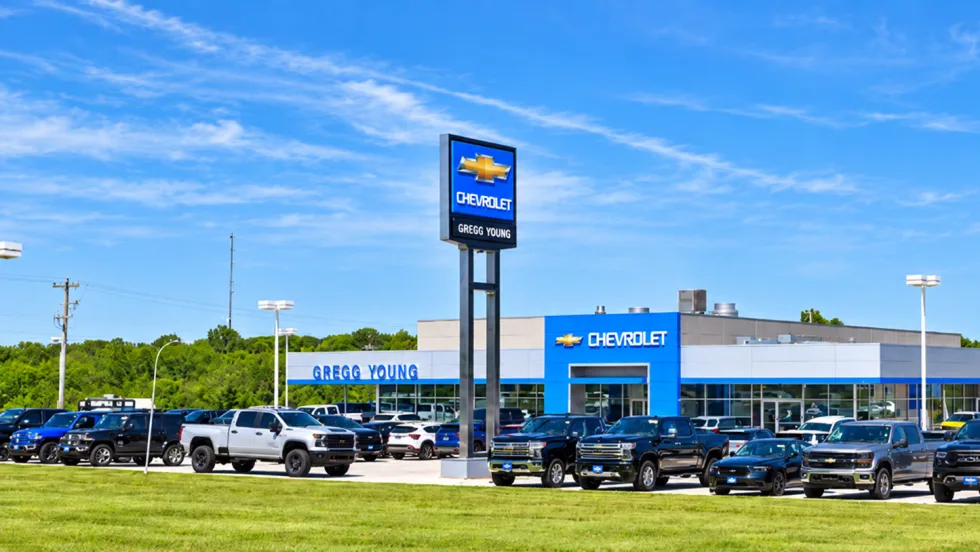
Nebraska Rooftop Changes Hands
The Gregg Young Automotive Group has sold its second dealership to Janssen Auto Group, both in Plattsmouth, Neb.
Read More →
Penske Auto Group Deal a Record
The deal to take the dealership and transportation services company private sets a new pace for industry buy-sell transactions.
Read More →
War Toll a Damper on Used Auto Prices
Cox Automotive found wholesale depreciation to be elevated in September amid high fuel prices and this year's unusual hurricane season.
Read More →
Bridge the Maintenance Gap
With many drivers missing recommended maintenance, service departments offering transparency and efficiency have a better chance of reaching financially strained consumers.
Read More →
California Store Has New Owner
The longtime dealership in the northern part of the state is known for robust fleet sales and has served the state capital for 115 years.
Read More →
BMW Plant Pursues Cleaner Energy
BMW Group Plant Leipzig has utilized hydrogen to help power its production since 2013, but a new pipeline is planned to take it to another level.
Read More →
Auto Affordability Inches Up
The latest Cox Automotive and Moody’s Analytics index shows a slight increase in new-vehicle affordability despite high prices.
Read More →
Ohio Auto Group Under New Ownership
After 79 years with the Schluter family, Mansfield Auto Group has been acquired by Missouri-based Clement Auto Group.
Read More →
RV Group Expands Carolina Footprint
Blue Compass RV Columbia Northeast is the 13th RV dealership owned by Blue Compass in the Carolinas.
Read More →
Agent Acumen
An Agent Summit panel of people who’ve been supporting auto dealers for years gave both timely and timeless advice for those starting out or mulling the prospect.
Read More →