



‘Great Deleveraging’ Has Ended, Equifax Reports
ATLANTA — Based on consumer credit data collect by Equifax through November, the five-year run of debt deleveraging might be over. The credit reporting agency reported this week that nonmortgage credit balances reached their highest level since the Great Recession in November, totaling $3.1 trilling. Showing the biggest increase were credit balances for auto loans. ... Read More »

ATLANTA — Based on consumer credit data collect by Equifax through November, the five-year run of debt deleveraging might be over. The credit reporting agency reported this week that nonmortgage credit balances reached their highest level since the Great Recession in November, totaling $3.1 trilling. Showing the biggest increase were credit balances for auto loans.
Credit balances for auto loans increased 9.6% on a year-over-year basis to $965 billion. Credit balances for retail- and bank-issued credit cards also increased 4.8% and 4.7% to $71 billion and $611.7 billion, respectively.
November also saw the total balance of nonmortgage write-offs fall to their second lowest level in eight year on a year-to-date basis, totaling $73.4 billion. The total balance of home-finance write-offs also fell to their second-lowest level in eight years on a year-to-date basis, totaling $91.2 billion.
“The Great Deleveraging has clearly ended and U.S. consumers are back in the borrowing business, but how they borrow has greatly changed from prior to the Great Recession,” said Amy Crews Cutts, senior vice president and chief economist at Equifax. “Today, while auto loans make up 30.9% of nonmortgage consumer debt — just as they did in December 2007 at the recession’s start — student loans have grown from 20.2% to a whopping 37.3%, and bank- and retailer-issued credit cards are down to 21.9% of consumer debt from 31.4%.”
Equifax also reported that the total number of outstanding loans on a year-to-date basis in November was more than 70 million, the highest level in more than five years. Serious delinquencies, or auto loans 60 days or more past due, accounted for 1.04% of total balances — a decrease from 1.15% one year ago.
Additionally, the total number of new auto loans originated between January and September 2014 was 19.2 million, an increase of 4.7% from a year ago, according to Equifax. At the same time, the total balance of new credit originated was $391.6 billion, an increase of 7%.
“One way to read this change is that consumers now value investment (in their education and durable goods like cars) over immediate consumption, which is good for our economy over the long run,” Cutts noted. “But with the exception of new car production, sluggish consumption slows economic growth in the short-term, partially explaining the slower-than-hoped-for economic recovery.”
More Industry

Penske Auto Group Deal a Record
The deal to take the dealership and transportation services company private sets a new pace for industry buy-sell transactions.
Read More →
War Toll a Damper on Used Auto Prices
Cox Automotive found wholesale depreciation to be elevated in September amid high fuel prices and this year's unusual hurricane season.
Read More →
Bridge the Maintenance Gap
With many drivers missing recommended maintenance, service departments offering transparency and efficiency have a better chance of reaching financially strained consumers.
Read More →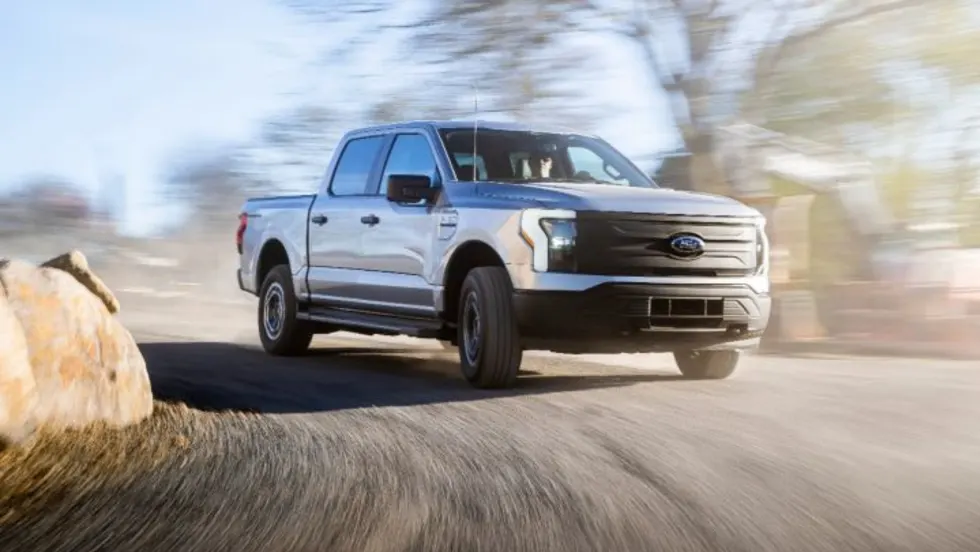
California Store Has New Owner
The longtime dealership in the northern part of the state is known for robust fleet sales and has served the state capital for 115 years.
Read More →
BMW Plant Pursues Cleaner Energy
BMW Group Plant Leipzig has utilized hydrogen to help power its production since 2013, but a new pipeline is planned to take it to another level.
Read More →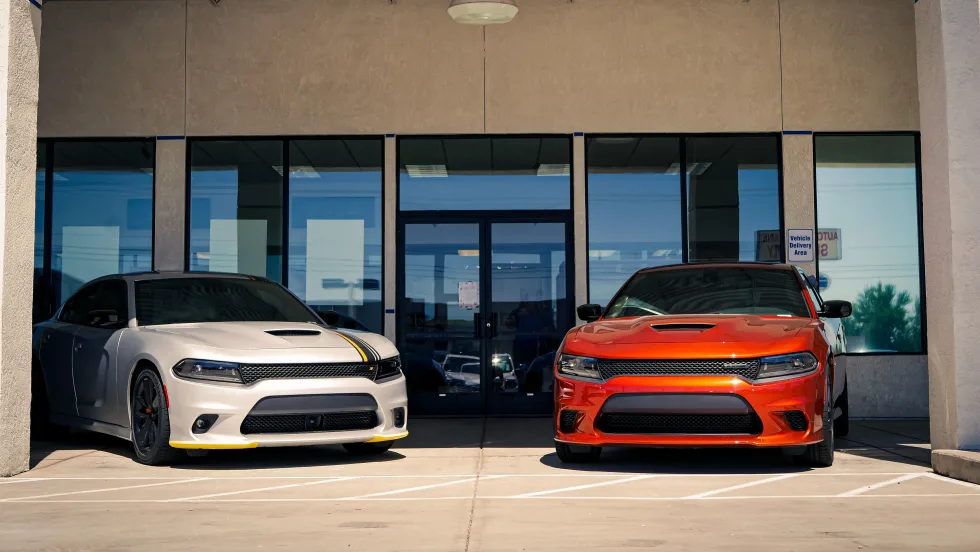
Auto Affordability Inches Up
The latest Cox Automotive and Moody’s Analytics index shows a slight increase in new-vehicle affordability despite high prices.
Read More →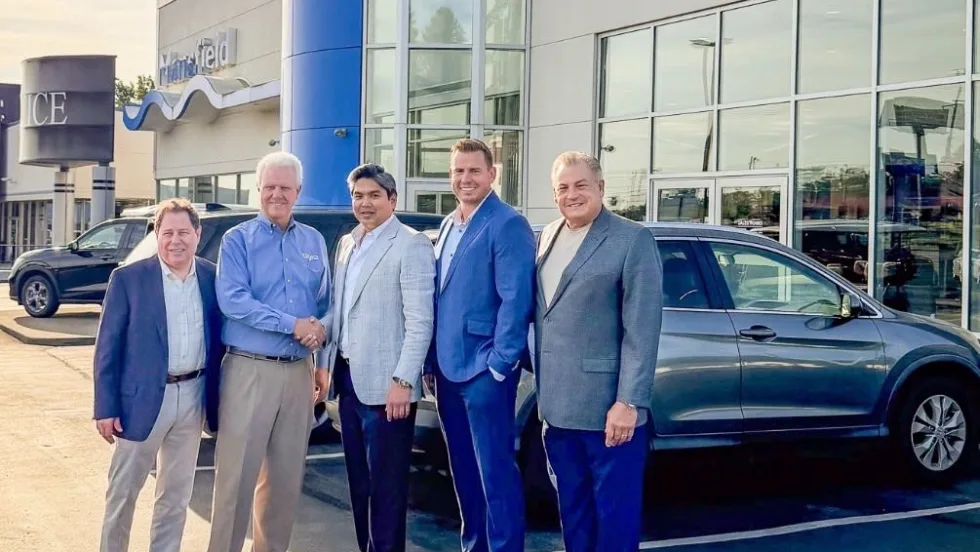
Ohio Auto Group Under New Ownership
After 79 years with the Schluter family, Mansfield Auto Group has been acquired by Missouri-based Clement Auto Group.
Read More →
RV Group Expands Carolina Footprint
Blue Compass RV Columbia Northeast is the 13th RV dealership owned by Blue Compass in the Carolinas.
Read More →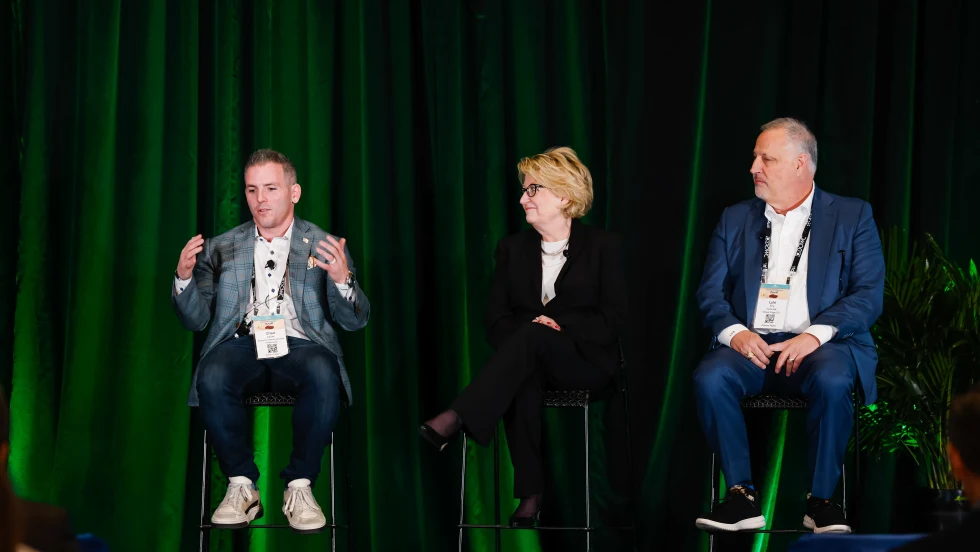
Agent Acumen
An Agent Summit panel of people who’ve been supporting auto dealers for years gave both timely and timeless advice for those starting out or mulling the prospect.
Read More →
Missed Maintenance Creates Opportunity
As families get back on the road and into daily school routines, service drives have an opportunity to capture customers who are behind on recommended vehicle maintenance.
Read More →