



GOP Wants Answers from Auto CEOs on Emissions Deal

WASHINGTON - Two top Republicans wrote today to the chief executives of nine major automakers asking whether the Obama administration improperly pressured them to agree to a landmark May 2009 deal to cap tailpipe emissions, The Detroit News reported. Rep. Darrell Issa, R-Calif., the ranking member of the House Oversight and Government Reform Committee, and Rep. Lamar Smith, R-Texas, the ranking member of the House Judiciary Committee, asked the CEOs of General Motors Co., Ford Motor Co., Chrysler Group LLC, Toyota Motor Corp., Honda Motor Co. and four other automakers to detail their talks with the White House last year. "It is unclear whether the administration used leverage created by the possibility of a taxpayer bailout of GM and Chrysler to secure their cooperation and support for new fuel economy standards. Moreover, there is reason to believe administration officials used inappropriate tactics to ensure broad based support across the industry," wrote Issa and Smith. The letter came just a day after the White House trumpeted the news that GM had repaid $4.7 billion in outstanding government loans and Chrysler made a first quarter operating profit. The letter didn't offer any evidence to support the contention that the companies were pressured into signing the deal. White House spokesman Matthew Lehrich dismissed the letters. "Since taking office, President Obama has worked tirelessly to rescue our economy from the brink of a depression and rebuild it on a foundation for long-term growth -- including making tough decisions to give Chrysler and GM a second lease on life and building an unprecedented consensus around fuel standards to help make America a leader in the clean energy economy," Lehrich said. "We continue to welcome leaders from either side of the political aisle to join us in that effort and won't be distracted by partisan sideshows." On May 19, President Barack Obama held a Rose Garden event to announce that the automakers had reached a deal to essentially extend the proposed California tailpipe emissions reductions adopted by 12 other states to the entire country. In exchange, automakers would get more flexibility to meet the requirements in the early years and could use credits to meet an industry fleetwide average of 34.1 mpg by 2016. That deal was struck after months of secret talks between the White House, California and the automakers. At the time, the White House denied that it was using the fact that GM and Chrysler needed billions in government loans to survive to pressure them into taking part. "You might have a point if they were the only two companies that were standing behind him, but Ford has not received any assistance," White House press secretary Robert Gibbs said then, noting that Toyota and Honda had also signed on to the deal.
More Industry

Penske Auto Group Deal a Record
The deal to take the dealership and transportation services company private sets a new pace for industry buy-sell transactions.
Read More →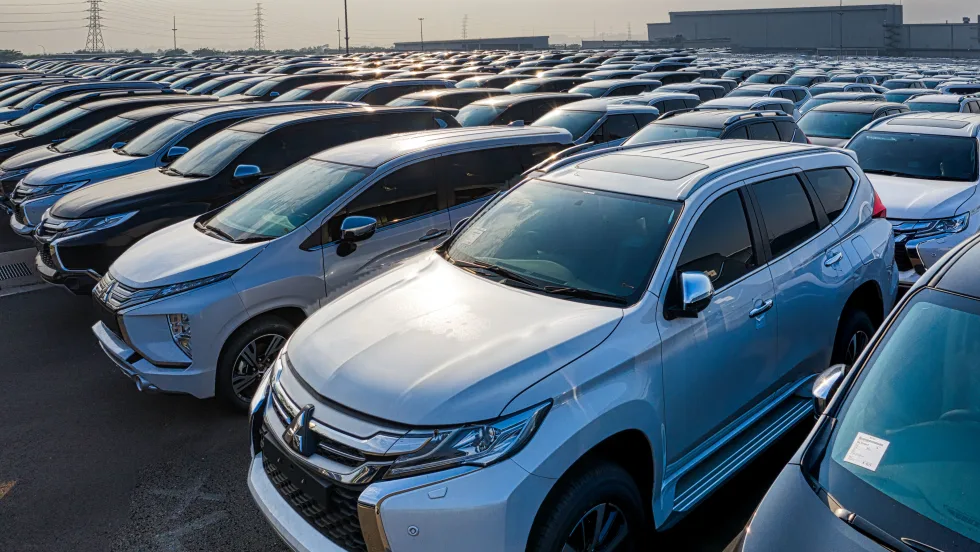
War Toll a Damper on Used Auto Prices
Cox Automotive found wholesale depreciation to be elevated in September amid high fuel prices and this year's unusual hurricane season.
Read More →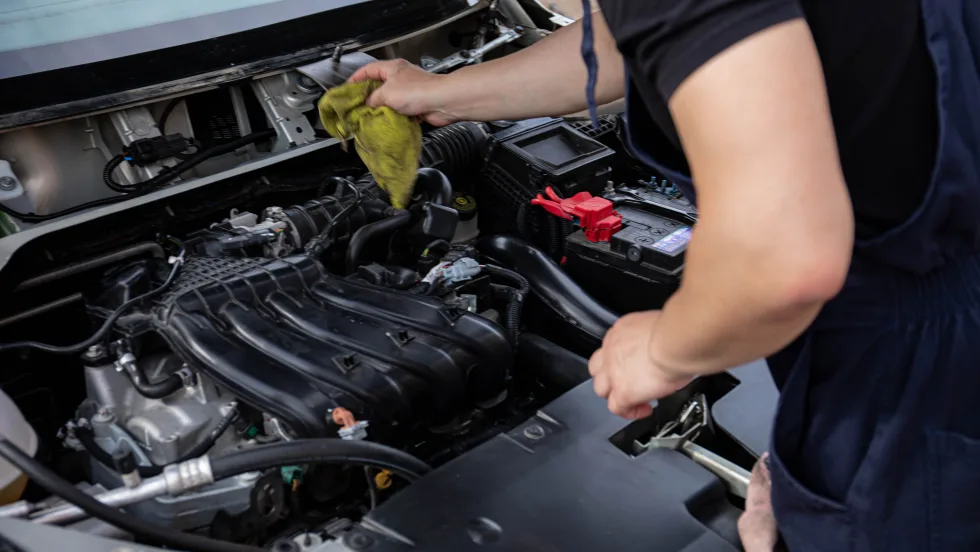
Bridge the Maintenance Gap
With many drivers missing recommended maintenance, service departments offering transparency and efficiency have a better chance of reaching financially strained consumers.
Read More →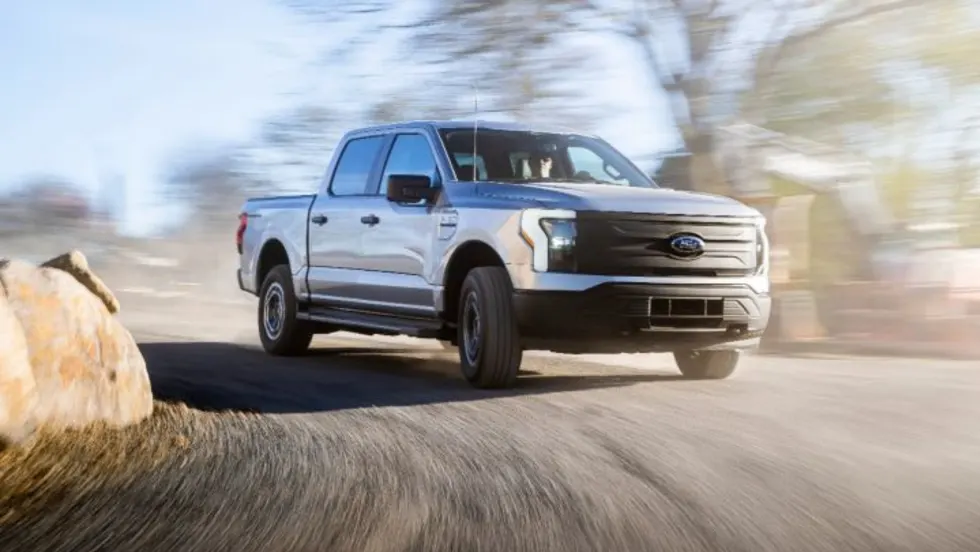
California Store Has New Owner
The longtime dealership in the northern part of the state is known for robust fleet sales and has served the state capital for 115 years.
Read More →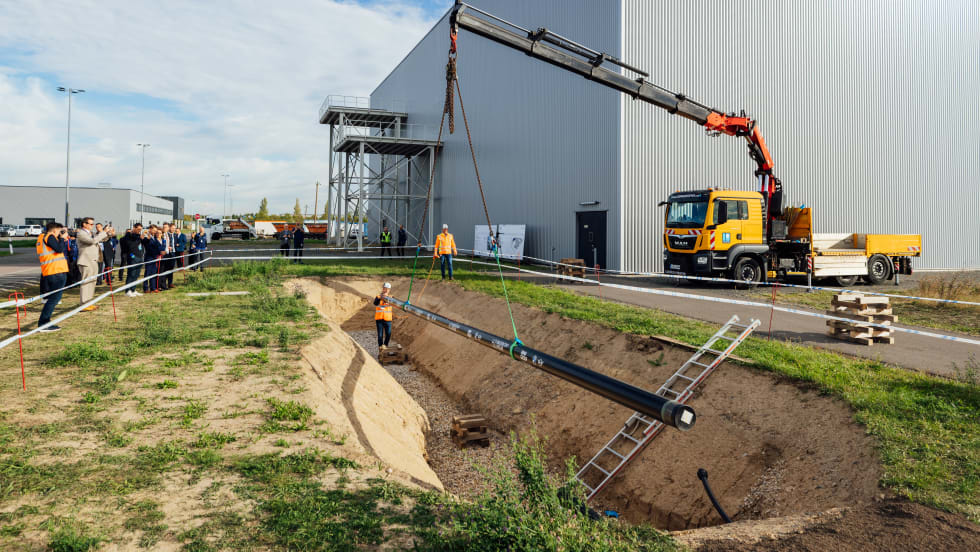
BMW Plant Pursues Cleaner Energy
BMW Group Plant Leipzig has utilized hydrogen to help power its production since 2013, but a new pipeline is planned to take it to another level.
Read More →
Auto Affordability Inches Up
The latest Cox Automotive and Moody’s Analytics index shows a slight increase in new-vehicle affordability despite high prices.
Read More →
Ohio Auto Group Under New Ownership
After 79 years with the Schluter family, Mansfield Auto Group has been acquired by Missouri-based Clement Auto Group.
Read More →
RV Group Expands Carolina Footprint
Blue Compass RV Columbia Northeast is the 13th RV dealership owned by Blue Compass in the Carolinas.
Read More →
Agent Acumen
An Agent Summit panel of people who’ve been supporting auto dealers for years gave both timely and timeless advice for those starting out or mulling the prospect.
Read More →
Missed Maintenance Creates Opportunity
As families get back on the road and into daily school routines, service drives have an opportunity to capture customers who are behind on recommended vehicle maintenance.
Read More →