



GM Won't Seek GMAC Reunion

General Motors Co. won't try to regain control of former finance arm GMAC Financial Services, an idea the automaker had considered as a way to bolster sales and make itself more attractive to potential investors, two people familiar with the matter told The Wall Street Journal. Earlier this month, the Congressional Oversight Panel suggested breaking apart GMAC, which is surviving on $17 billion in federal funding, and returning control of its auto-lending business to GM. The panel said GMAC has failed to establish a viable business plan to repay taxpayer dollars. The idea appealed to GM, in part because auto maker would have more control over lending practices. GMAC's move in 2008 to dramatically restrict leasing amid the U.S. financial crisis helped trigger the spiral that sent GM into bankruptcy the last year. GM over the last two years suffered more severe sales declines in the U.S. than Detroit rival Ford Motor Co. and continues to offer only a limited number of leases. Late last year, roughly 2% of GM's sales were through leases, down from a more typical 20%. Having control of GMAC's auto business also could make GM more attractive on Wall Street as the company seeks to launch an initial public offering as soon as this year. Ford, Honda Motor Co. and Toyota Motor Corp. all have so-called captive auto lenders. In that regard, GMAC could be considered a key strategic advantage. But taking over GMAC would have many complications. GM sold a majority stake in GMAC in 2006 as a way to buck up the auto maker's credit standing and its access to capital. As it turned out, GM still remains largely cut off from the markets. Meantime, GMAC is wrestling with its own complicated restructuring. The lender continues to struggle with deep losses at its mortgage arm, which lost $8.3 billion last year. A key part of the aid GMAC got from the U.S. was the ability to turn itself into a bank-holding company. The company is using new access to low-cost capital and growth of its Ally bank to compete more directly with banks such as J.P. Morgan Chase & Co. and Wachovia Corp. GMAC a year ago took over for Chrysler Financial as the preferred lender for Chrysler Group LLC, now controlled by Italian car maker Fiat SpA. GMAC is looking to win business other auto makers and recently agreed to work with Saab, recently split from GM.
More Industry
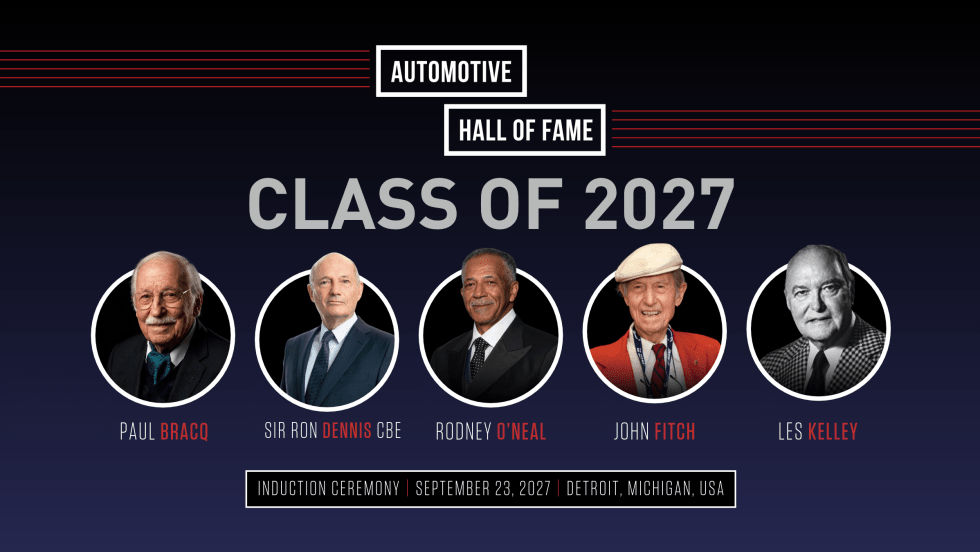
Auto Legends to Hall of Fame
Les Kelley of Kelley Blue Book fame and Rodney O’Neal, a transformative Delphi executive, are among a new class of five industry honorees.
Read More →
Powertrain Attitudes Divided
Common misconceptions shape car buyers’ attitudes toward the different options, giving dealerships an opportunity to educate and build trust with customers.
Read More →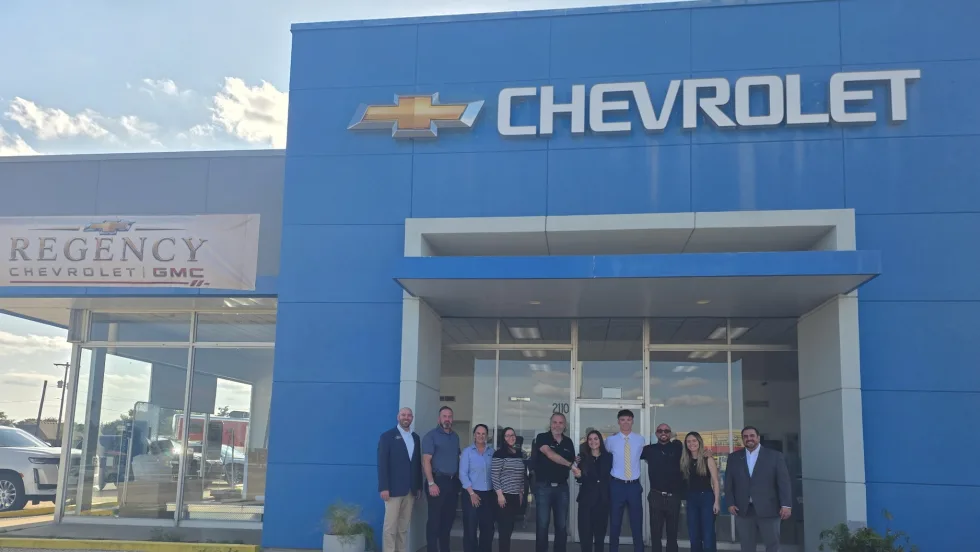
Auto Group Exits U.S. Market
Sibling duo Gesell and Johnny Lillard enter Texas franchised automotive retail with the purchase of Solana Motors in Brady, Texas.
Read More →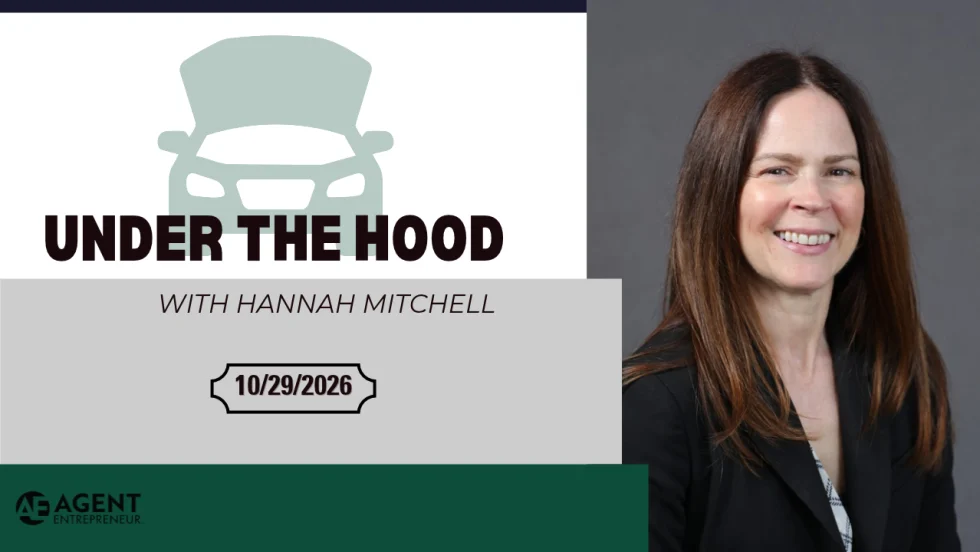
California Calling? What's Up With the State's New CARS Act?
Should auto dealers outside of California be concerned about its new price-transparency law? Yes, and you can guide them in the right direction.
Read More →
Tennessee Transaction Latest in Buy-Sell Flurry
Four stores move from a longtime local family business to one of the country’s biggest automotive groups as part of the industry’s continued consolidation.
Read More →
SUV Joins Safety Rankings
Thanks to a seat belt redesign, the Nissan Kicks has earned a Top Safety Pick award from the Insurance Institute for Highway Safety.
Read More →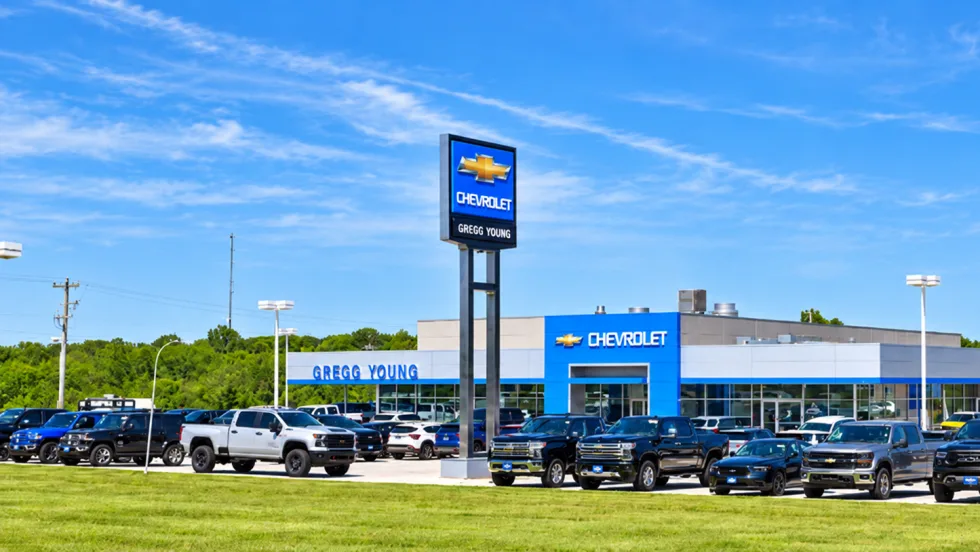
Nebraska Rooftop Changes Hands
The Gregg Young Automotive Group has sold its second dealership to Janssen Auto Group, both in Plattsmouth, Neb.
Read More →
Penske Auto Group Deal a Record
The deal to take the dealership and transportation services company private sets a new pace for industry buy-sell transactions.
Read More →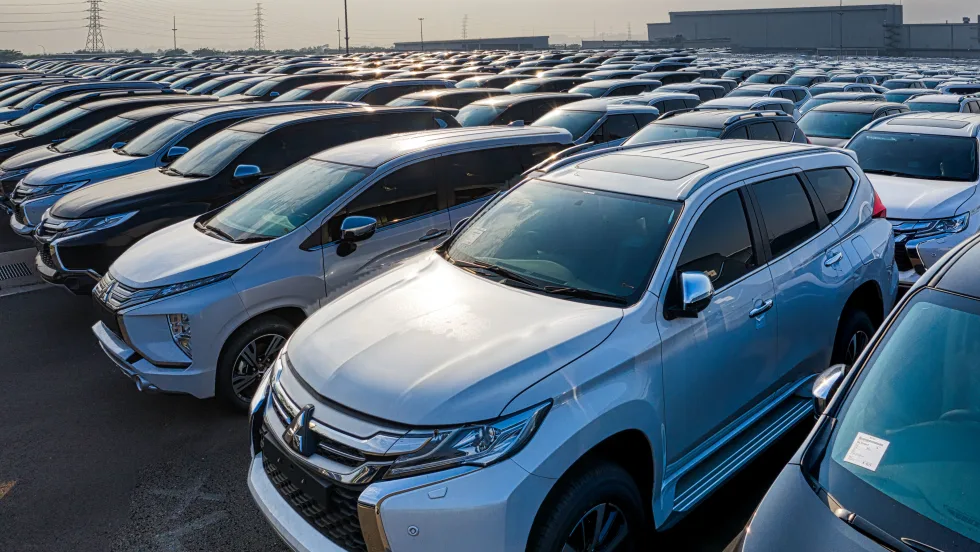
War Toll a Damper on Used Auto Prices
Cox Automotive found wholesale depreciation to be elevated in September amid high fuel prices and this year's unusual hurricane season.
Read More →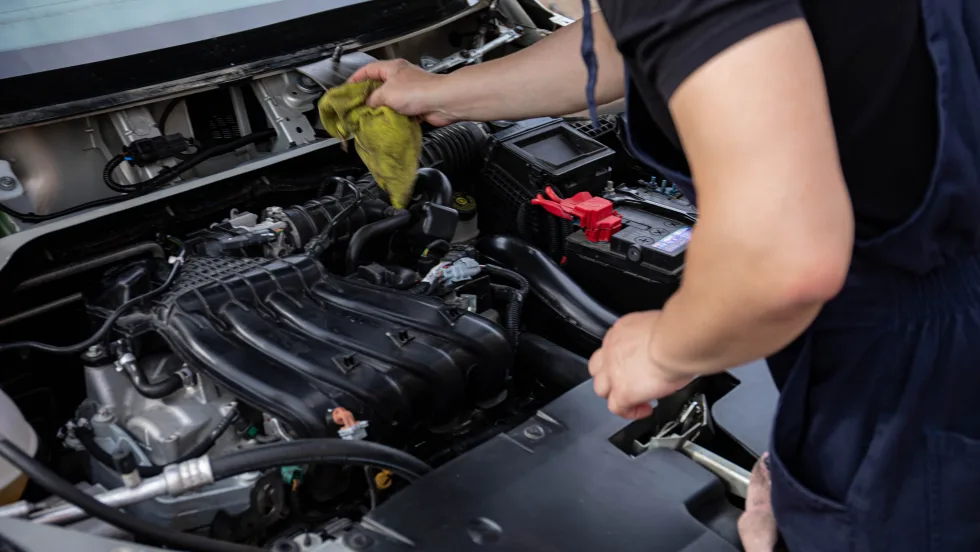
Bridge the Maintenance Gap
With many drivers missing recommended maintenance, service departments offering transparency and efficiency have a better chance of reaching financially strained consumers.
Read More →