



G.M. Sees Cost Cuts Continuing for Years in Effort to Sustain Long-Term Growth

DETROIT — General Motors, already much leaner and more efficient after going through bankruptcy and a painful reorganization, still has to undertake years of sharp cost cuts to ensure it remains profitable, its executives said Tuesday.
G.M. executives said that they intended to cut the number of different platforms and engines used in the company’s vehicle lineup roughly in half within the next decade, reported The New York Times.
By 2018, G.M. will use 14 different platforms globally, down from 30 last year. A platform is the basic underpinnings of a vehicle, and building multiple vehicles on a single platform reduces development and production costs.
The executives also said G.M. was working to eliminate wasted spending on new products by keeping its investments more stable from one year to the next, rather than trying to follow the ups and downs of the market
“The start-stop, herky-jerky, on-again, off-again product development was grossly inefficient,” the chief executive, Daniel F. Akerson, said, “and it resulted in poor product.”
The plans, outlined at an analyst conference that G.M. organized at its Detroit headquarters, call for using 12 engine families by 2018 and eventually just 10, compared to 20 in 2009.
Daniel Ammann, the chief financial officer, said G.M. had been putting about $1 billion a year into projects that were later canceled.
Last week, G.M., which is 26 percent government-owned, reported that it earned $5.4 billion in the first half of the year as second-quarter earnings grew 89 percent. Its profit margins have increased as a result of higher revenue as well as wrenching cost cuts that included closing many plants and eliminating tens of thousands of jobs.
On Tuesday, the company said that its annual manufacturing labor costs in the United States had fallen by $11 billion since 2005. The executives added that they were working to keep labor costs under control, even as demand for G.M. vehicles increased.
Diana Tremblay, G.M.’s global chief manufacturing officer, said the company did not need to add plants anytime soon, even though its capacity utilization rate — a measure of how fully and efficiently plants are used — was near 100 percent. G.M. is particularly hesitant to add production capacity in the United States during a time of such volatile economic and market conditions. Ms. Tremblay said that G.M. could meet demand largely by adding shifts, running plants on overtime and finding creative ways to run existing plants more efficiently.
Leaders of the United Automobile Workers union, which is negotiating a new contract with G.M., could have a difficult time persuading the automaker to reopen idled plants in Tennessee and Wisconsin. They are also trying to prevent the planned closing of a plant in Louisiana, a top priority during the talks.
Mr. Akerson expressed some doubt about whether total industry sales across the country would reach 13 million vehicles this year. G.M. and other automakers had generally projected sales between 13 million and 13.5 million, up from 11.6 million in 2010; from January through July, the industry sold 7.4 million vehicles.
“There’s a lot of turmoil in the business and turmoil means uncertainty,” Mr. Akerson said, “so we’re a little unsure of these numbers.”
More Industry

Penske Auto Group Deal a Record
The deal to take the dealership and transportation services company private sets a new pace for industry buy-sell transactions.
Read More →
War Toll a Damper on Used Auto Prices
Cox Automotive found wholesale depreciation to be elevated in September amid high fuel prices and this year's unusual hurricane season.
Read More →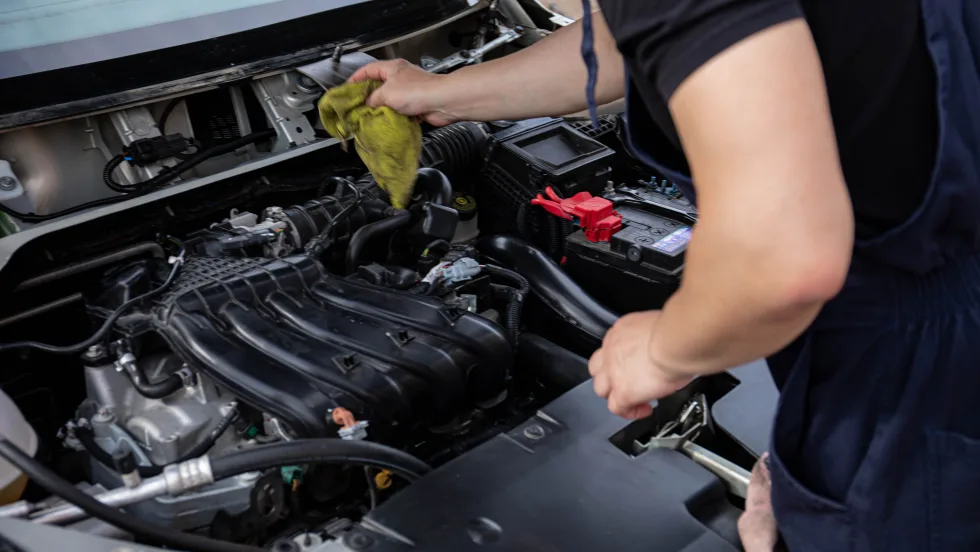
Bridge the Maintenance Gap
With many drivers missing recommended maintenance, service departments offering transparency and efficiency have a better chance of reaching financially strained consumers.
Read More →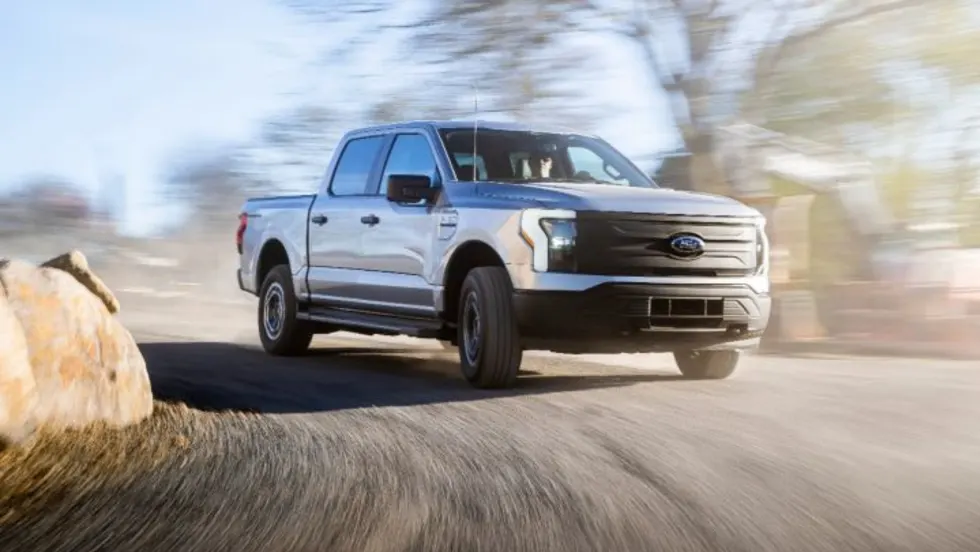
California Store Has New Owner
The longtime dealership in the northern part of the state is known for robust fleet sales and has served the state capital for 115 years.
Read More →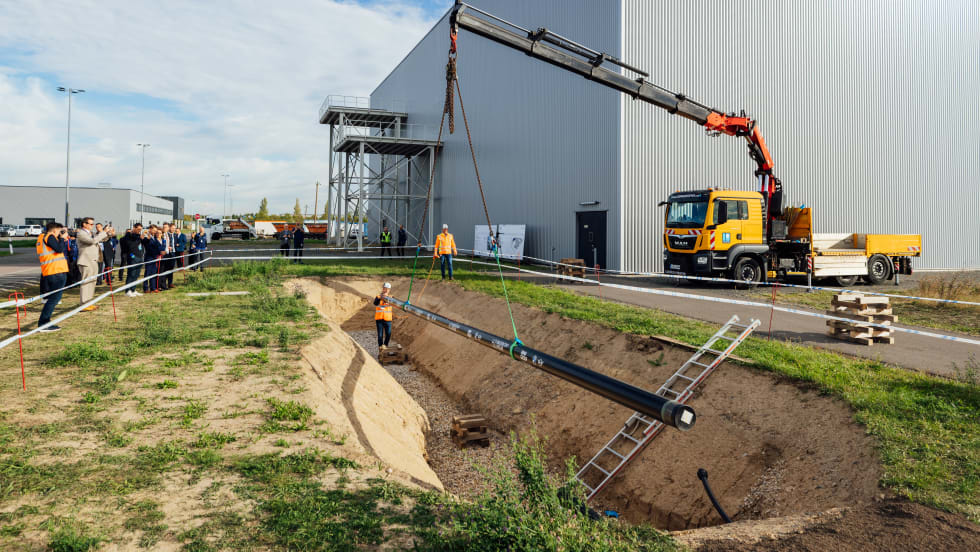
BMW Plant Pursues Cleaner Energy
BMW Group Plant Leipzig has utilized hydrogen to help power its production since 2013, but a new pipeline is planned to take it to another level.
Read More →
Auto Affordability Inches Up
The latest Cox Automotive and Moody’s Analytics index shows a slight increase in new-vehicle affordability despite high prices.
Read More →
Ohio Auto Group Under New Ownership
After 79 years with the Schluter family, Mansfield Auto Group has been acquired by Missouri-based Clement Auto Group.
Read More →
RV Group Expands Carolina Footprint
Blue Compass RV Columbia Northeast is the 13th RV dealership owned by Blue Compass in the Carolinas.
Read More →
Agent Acumen
An Agent Summit panel of people who’ve been supporting auto dealers for years gave both timely and timeless advice for those starting out or mulling the prospect.
Read More →
Missed Maintenance Creates Opportunity
As families get back on the road and into daily school routines, service drives have an opportunity to capture customers who are behind on recommended vehicle maintenance.
Read More →