



GM, Ford in Electric Grid-Backing Partnership
‘Virtual power plant’ initiative could also benefit automotive industry.

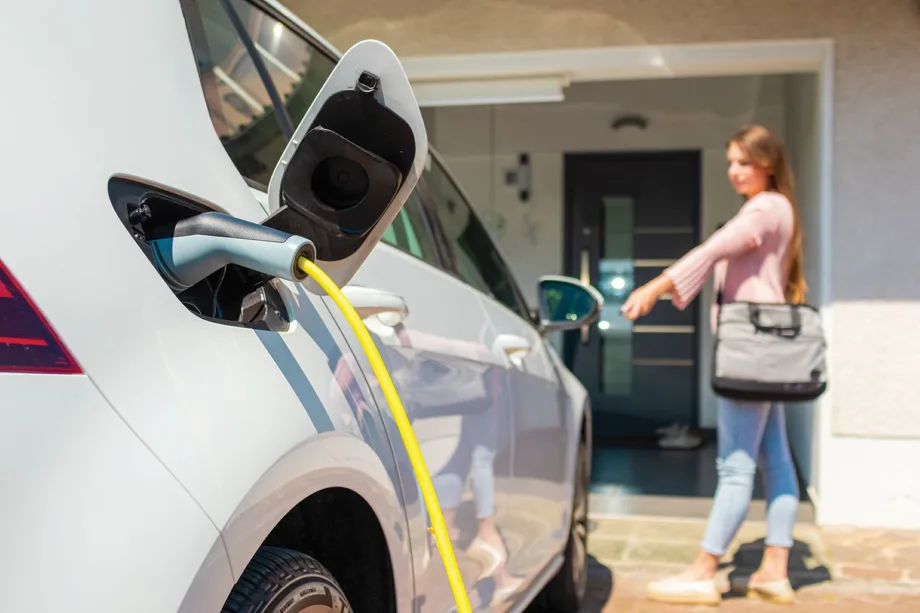
Partnership host says growing VPP market means revenue for the automotive industry and others.
IMAGE: Getty Images/24K-Production
Two big automakers and Google have partnered with solar power companies to scale the virtual power plant market to support electricity grids with batteries in electric cars, appliances and other battery-powered products.
RMI, a nonprofit group focused on emissions reduction, cost-effective power and a more regeneratable power grid, will host the partnership. It said initial funding for the effort came from General Motors and Google Nest. Founding members of the Virtual Power Plant Partnership, or VP3, also include Ford and solar power providers.
Virtual power plants, or VPPs, collect the electric capacity of homes and businesses to help address peaks in power demand, easing loads when supply is short. When there’s a need, power from EVs, smart thermostats and other sources is discharged, or consumption by power-using sources is reduced.
RMI says VPPs have the potential for “explosive” growth that could positively impact multiple industries, including automotive.
“Our analysis shows that VPPs can reduce peak power demand and improve grid resilience in a world of increasingly extreme climate events,” said the nonprofit's CEO, Jon Creyts, in a press release on the VP3 partnership. “A growing VPP market also means revenue opportunities for hardware, software, and energy-service companies in the buildings and automotive industries. For large energy users, VPPs can significantly reduce energy spend while providing new revenue streams.”
GM Vice President and Head of V2X and Battery Solutions said in the release that, “This collaboration underscores GM’s commitment to creating a more resilient grid, with EVs and virtual power plants playing a key role in helping to advance our all-electric future.”
Originally posted on Auto Dealer Today
More Industry
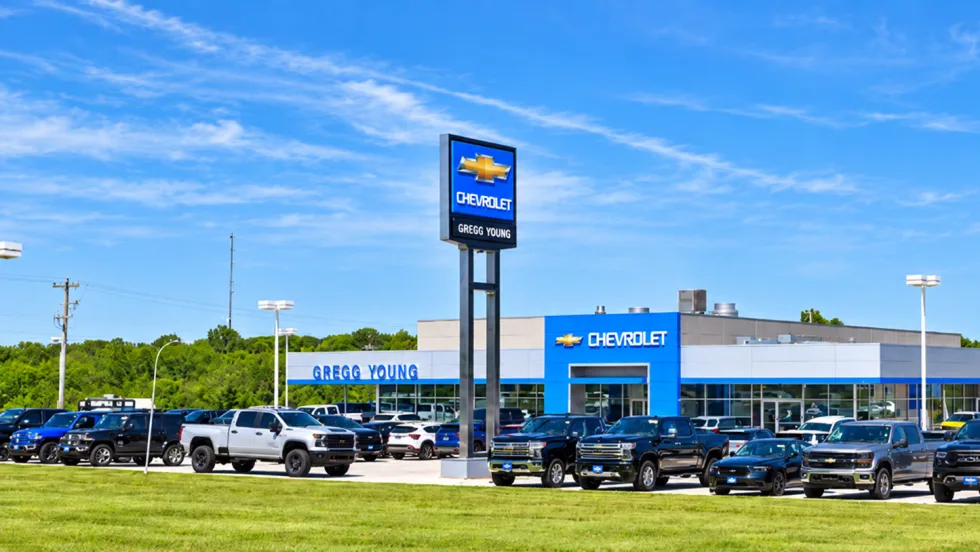
Nebraska Rooftop Changes Hands
The Gregg Young Automotive Group has sold its second dealership to Janssen Auto Group, both in Plattsmouth, Neb.
Read More →
Penske Auto Group Deal a Record
The deal to take the dealership and transportation services company private sets a new pace for industry buy-sell transactions.
Read More →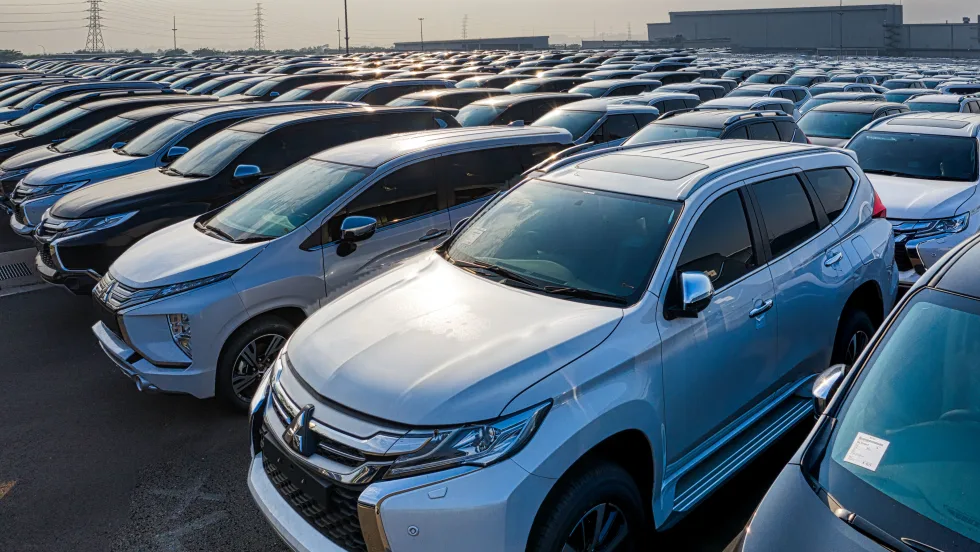
War Toll a Damper on Used Auto Prices
Cox Automotive found wholesale depreciation to be elevated in September amid high fuel prices and this year's unusual hurricane season.
Read More →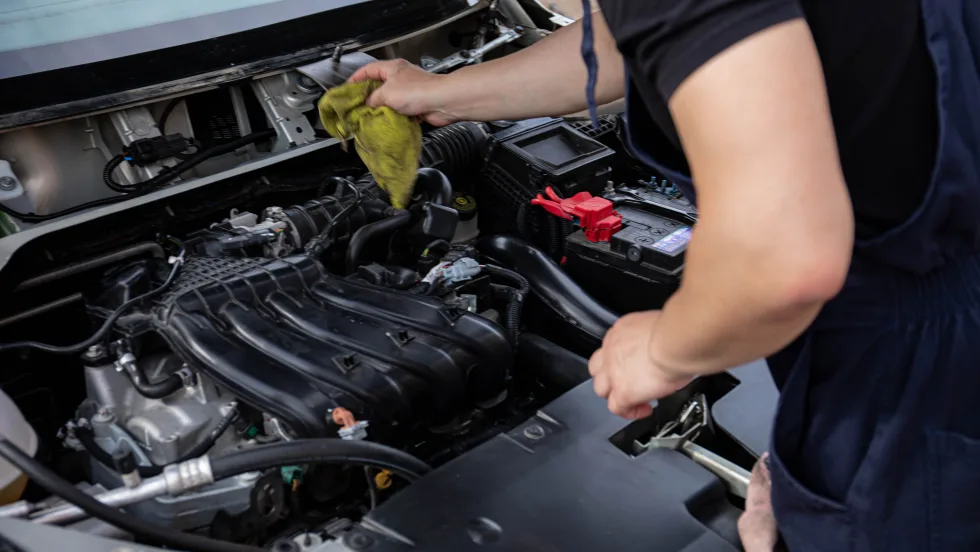
Bridge the Maintenance Gap
With many drivers missing recommended maintenance, service departments offering transparency and efficiency have a better chance of reaching financially strained consumers.
Read More →
California Store Has New Owner
The longtime dealership in the northern part of the state is known for robust fleet sales and has served the state capital for 115 years.
Read More →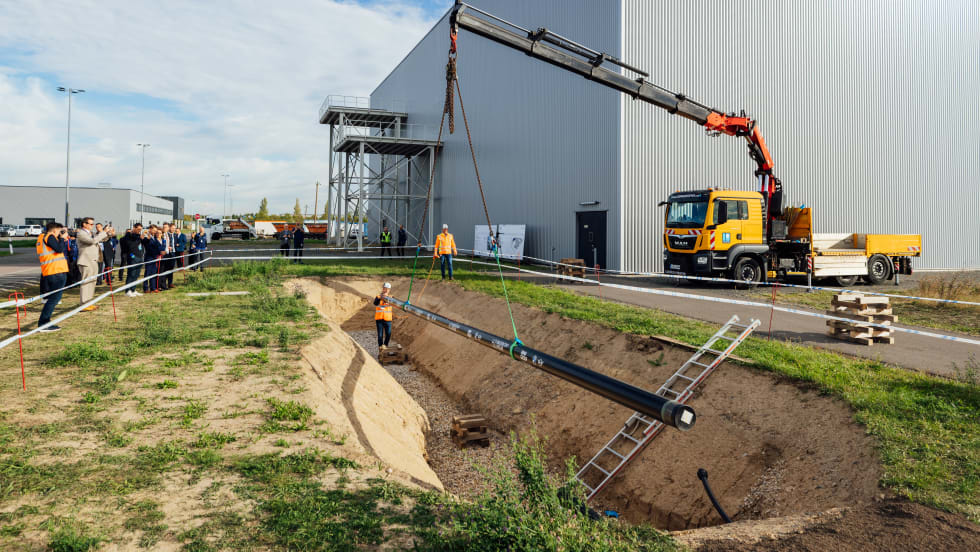
BMW Plant Pursues Cleaner Energy
BMW Group Plant Leipzig has utilized hydrogen to help power its production since 2013, but a new pipeline is planned to take it to another level.
Read More →
Auto Affordability Inches Up
The latest Cox Automotive and Moody’s Analytics index shows a slight increase in new-vehicle affordability despite high prices.
Read More →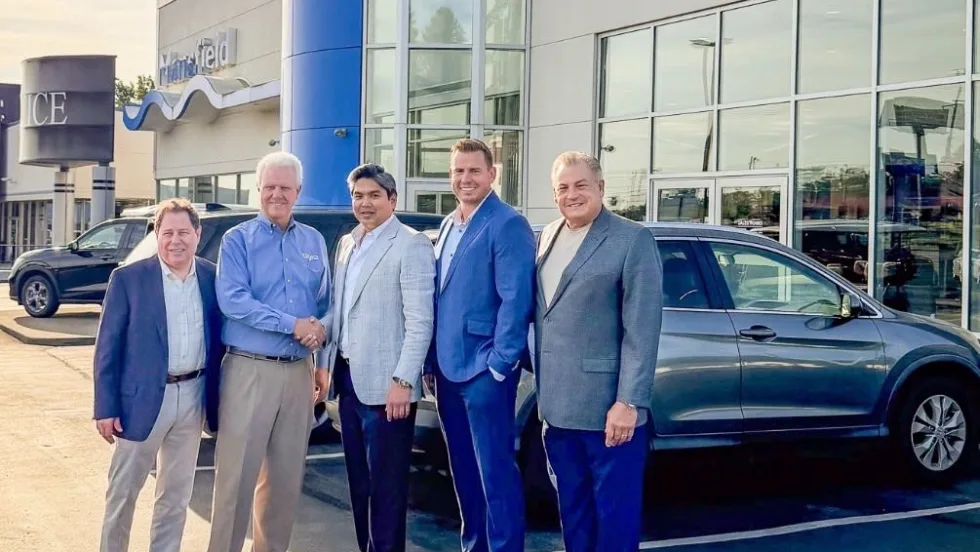
Ohio Auto Group Under New Ownership
After 79 years with the Schluter family, Mansfield Auto Group has been acquired by Missouri-based Clement Auto Group.
Read More →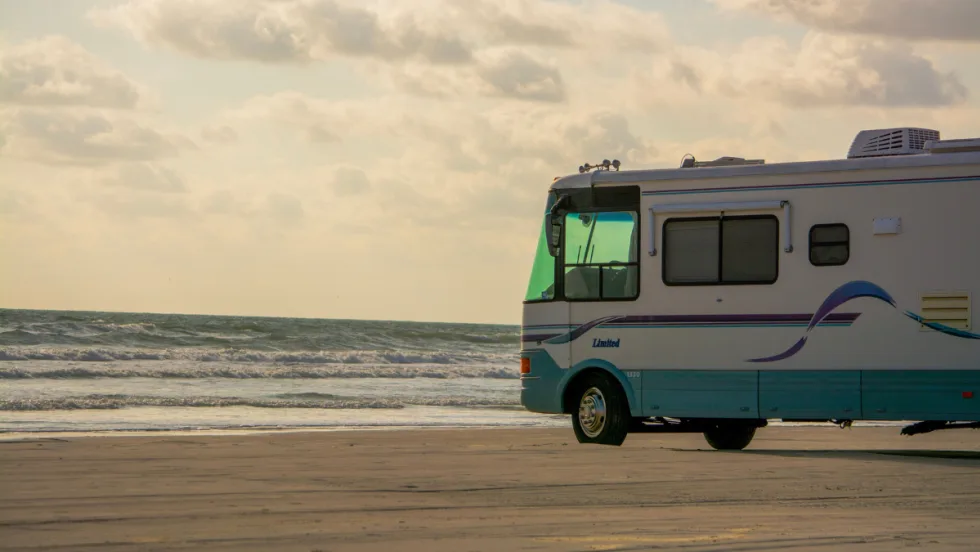
RV Group Expands Carolina Footprint
Blue Compass RV Columbia Northeast is the 13th RV dealership owned by Blue Compass in the Carolinas.
Read More →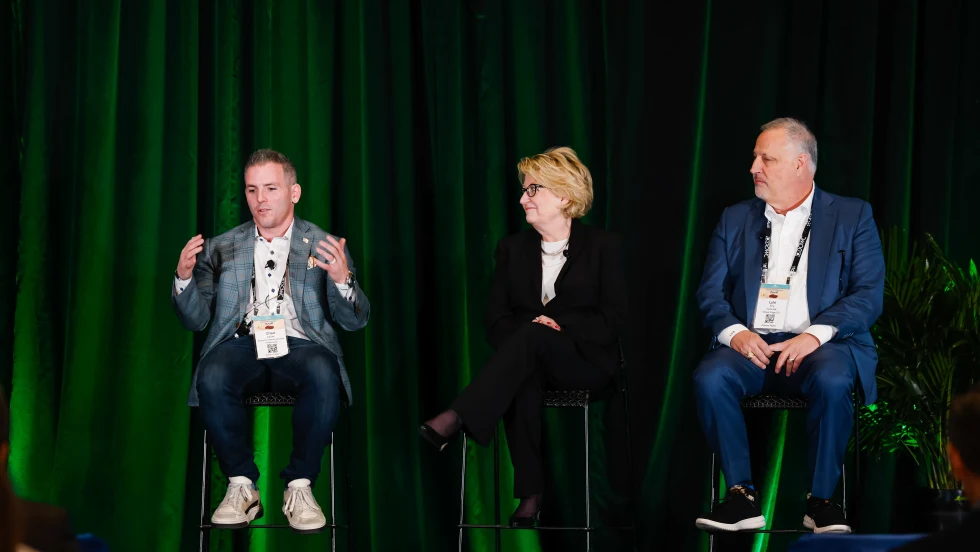
Agent Acumen
An Agent Summit panel of people who’ve been supporting auto dealers for years gave both timely and timeless advice for those starting out or mulling the prospect.
Read More →