



GM CEO Says Discounts Helped Sell More Cars In 1Q

NEW YORK — General Motors Co. CEO Dan Akerson said he doesn't regret the company's decision to increase spending on rebates and other deals earlier this year even though it has contributed to the company's tumbling stock price.
GM surprised the industry — and Wall Street — when it raised discounts by $400 per vehicle in January and February. Most automakers didn't raise them because demand for new vehicles has been rising in line with supply, reported msnbc.com.
"I feel pretty good about that. I think we're in pretty good shape," Akerson said at an automotive conference Tuesday in New York.
Akerson said the increased incentives helped GM sell 100,000 more cars in the first quarter than it did in the same period last year. It also caught GM's competition off-guard.
"I don't want to be a predictable competitor," Akerson said. "I don't want the other guy to know exactly what I'm doing."
GM pulled back on its incentives in March, spending $600 to $800 per vehicle less on the deals. But it was too late for some investors, who shied away from the company's stock because higher rebates lower car companies' profits.
GM's stock fell 38 cents, or 1.3 percent, to close at $29.59 Tuesday after touching its lowest point since its November initial public offering. Tuesday's closing price was10 percent below the company's $33-per-share IPO. The stock opened the year at $37.32, but has fallen 21 percent since.
That could hurt the government's effort to recoup the $50 billion it gave GM to survive. The U.S. government got back $13.5 billion from the sale of some of its shares in November's IPO. But to break even, it needs to sell its remaining shares for $53 each. The government still owns a 26.5 percent stake — about 500 million shares — in GM.
Akerson said he hasn't had discussions with the U.S. Treasury on when it might sell its remaining stake.
"They will tell us when they're getting out. I will not tell them when they're getting out, and I don't know what's going to go into their calculus," he said.
Besides the rebates, GM's stock has been hit by rising oil prices and concerns about parts shortages from Japan, Akerson said.
Akerson said that just after the IPO, GM's management team told him that higher oil prices were the biggest threat to the company. GM then put a plan in place to counter the effect of higher gas prices, including moving up the release of the new, higher-mileage Chevolet Malibu by several months.
The Malibu, which is expected to get up to 35 miles per gallon, will come out early next year.
The Energy Information Administration predicts that retail gas prices could peak at $3.91 per gallon this summer.
GM believes the March 11 earthquake in Japan will have little effect on the company. Akerson, a former telecommunications executive, said relationships he forged in that field helped him identify alternate suppliers for some electronics parts, although the company hasn't yet had to switch to new suppliers.
Investors also have expressed concern about management changes at the company. The most recent high-profile departure came April 1, when Chief Financial Officer Chris Liddell resigned after just 15 months with the company. Akerson also named a new product chief in January.
Akerson didn't directly address the changes, but acknowledged that he has taken some heat.
"If I'd changed nothing at General Motors I would have gotten criticized. If I change anything I get criticized," he said.
But Akerson said he has helped change the insular corporate culture at GM, encouraging executives to sit on the boards of companies outside the industry so they can learn other ways of doing business. He also said board meetings are more open than they used to be.
"I do think we have a more collegial, open debate and arguments. No one wants to leave the room angry. We want to solve the problem," he said.
More Industry

Penske Auto Group Deal a Record
The deal to take the dealership and transportation services company private sets a new pace for industry buy-sell transactions.
Read More →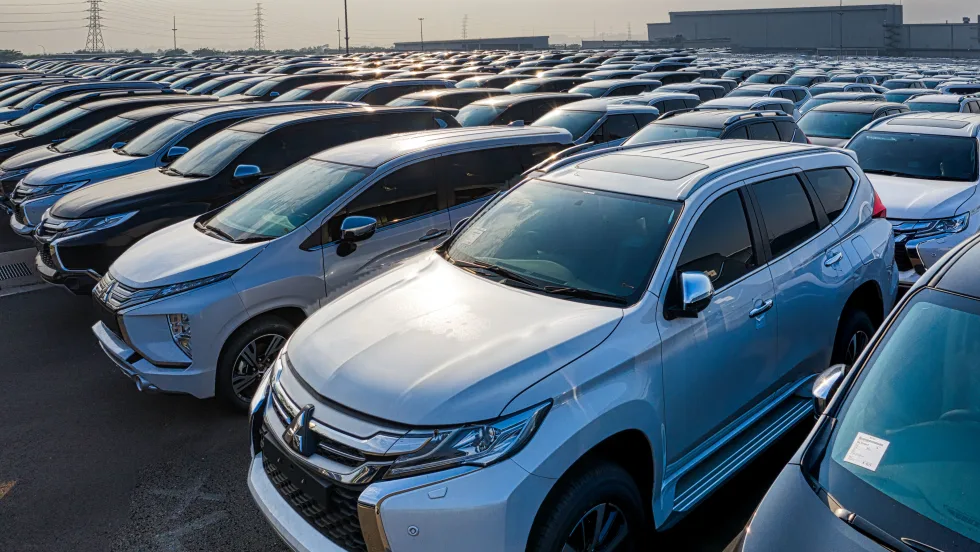
War Toll a Damper on Used Auto Prices
Cox Automotive found wholesale depreciation to be elevated in September amid high fuel prices and this year's unusual hurricane season.
Read More →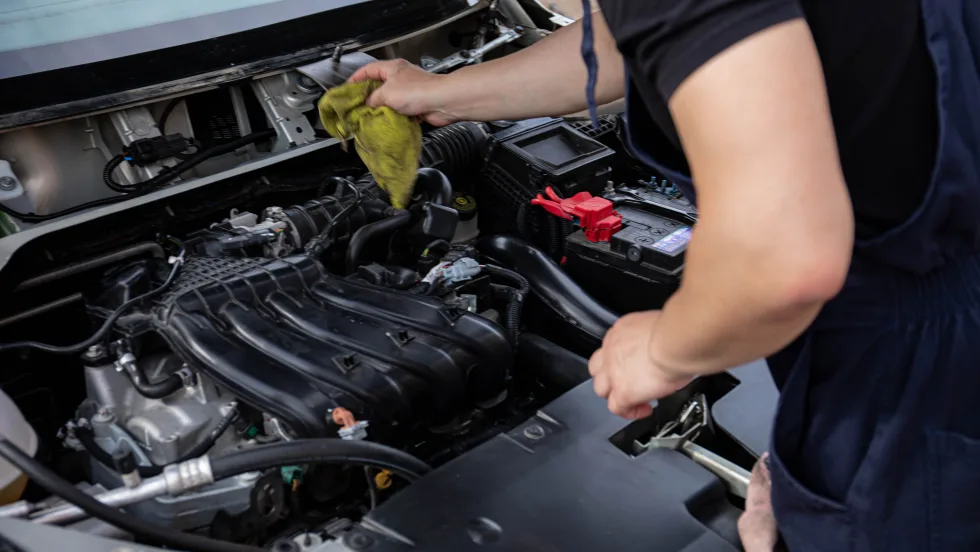
Bridge the Maintenance Gap
With many drivers missing recommended maintenance, service departments offering transparency and efficiency have a better chance of reaching financially strained consumers.
Read More →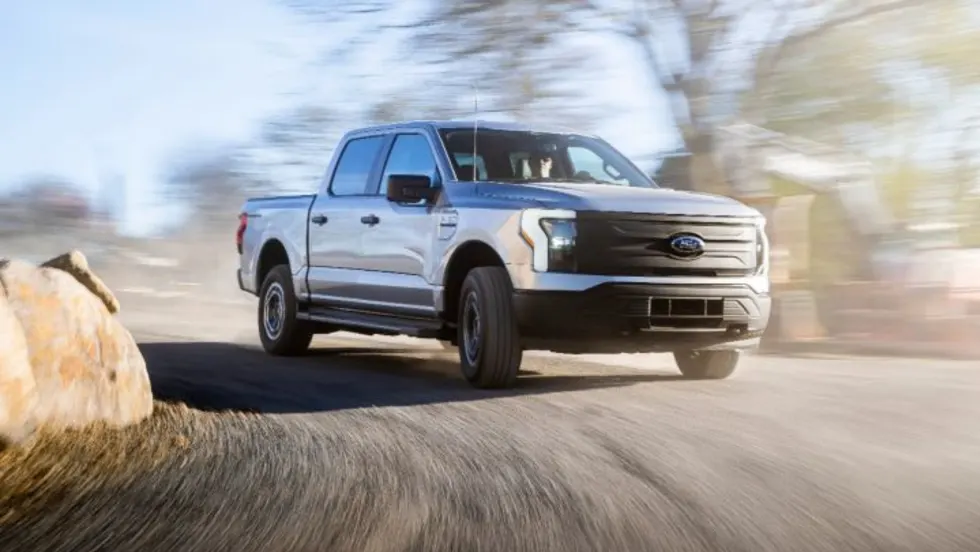
California Store Has New Owner
The longtime dealership in the northern part of the state is known for robust fleet sales and has served the state capital for 115 years.
Read More →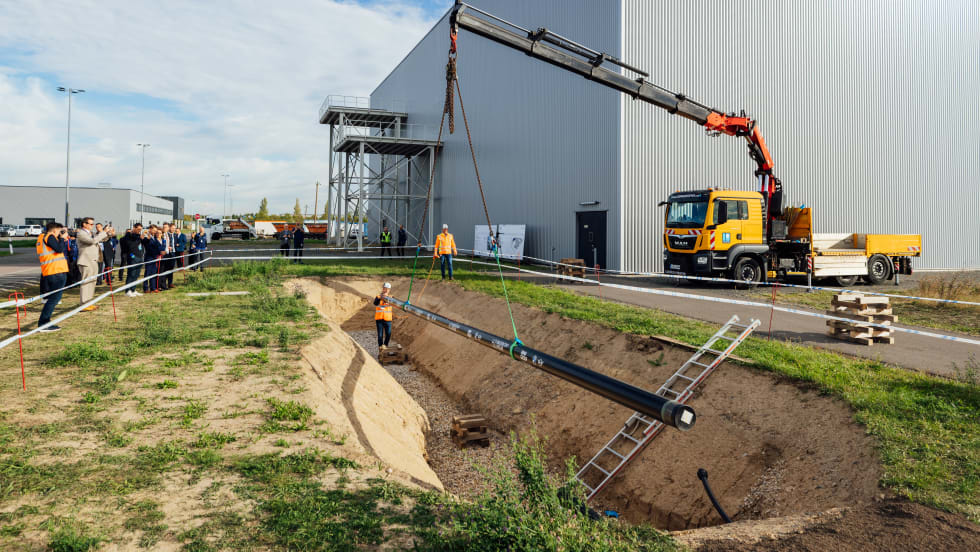
BMW Plant Pursues Cleaner Energy
BMW Group Plant Leipzig has utilized hydrogen to help power its production since 2013, but a new pipeline is planned to take it to another level.
Read More →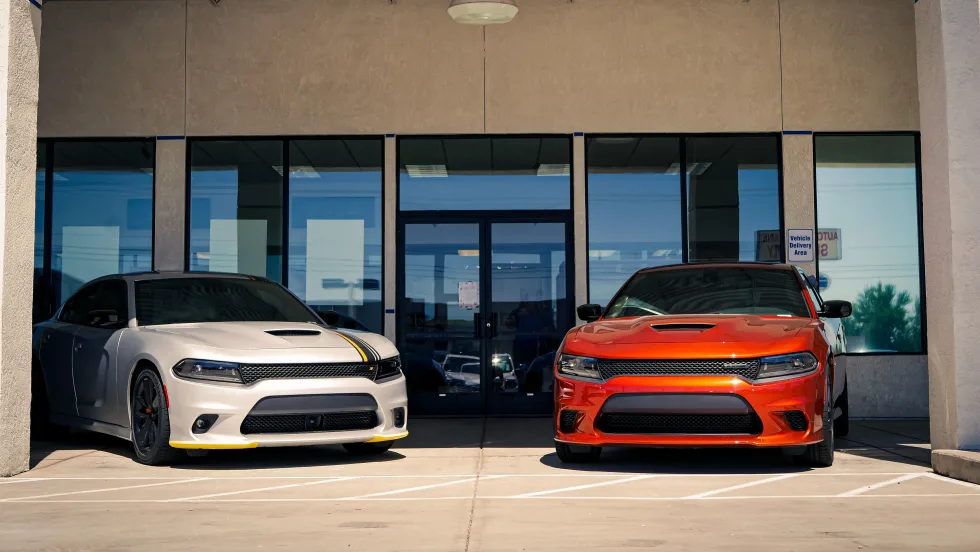
Auto Affordability Inches Up
The latest Cox Automotive and Moody’s Analytics index shows a slight increase in new-vehicle affordability despite high prices.
Read More →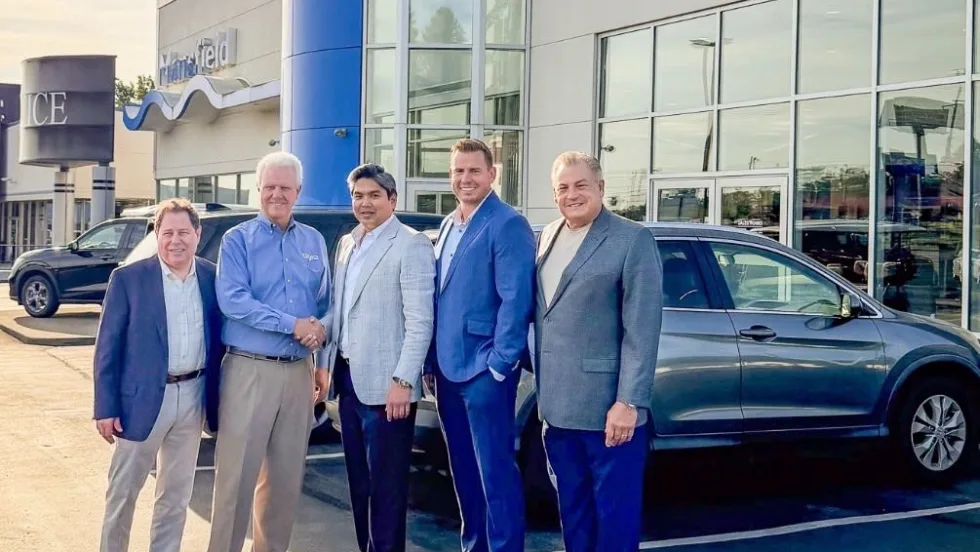
Ohio Auto Group Under New Ownership
After 79 years with the Schluter family, Mansfield Auto Group has been acquired by Missouri-based Clement Auto Group.
Read More →
RV Group Expands Carolina Footprint
Blue Compass RV Columbia Northeast is the 13th RV dealership owned by Blue Compass in the Carolinas.
Read More →
Agent Acumen
An Agent Summit panel of people who’ve been supporting auto dealers for years gave both timely and timeless advice for those starting out or mulling the prospect.
Read More →
Missed Maintenance Creates Opportunity
As families get back on the road and into daily school routines, service drives have an opportunity to capture customers who are behind on recommended vehicle maintenance.
Read More →