



General Motors To Raise Prices $123 Per Vehicle

General Motors Co. the largest U.S. automaker, will raise prices by an average of $123, or 0.4 percent, per vehicle because of higher commodity costs.
The price increases will be on most models in the U.S. and will be effective May 2, Tom Henderson, a spokesman for Detroit- based GM, said today in a telephone interview. The move isn’t related to the Japan earthquake, he said.
GM is following Toyota Motor Corp. and Ford Motor Co. in boosting prices, reported Bloomberg. Ford said April 4 it would raise prices by $117, or 0.4 percent. Toyota’s increase on most models averaged 1.7 percent, the automaker said March 31.
Industry price increases are common as automakers enter seasonally stronger months for sales in the spring and summer, said Maryann Keller, principal of a self-titled consulting firm. They will be supported this year by parts shortages resulting from the March 11 Japan earthquake and tsunami, she said.
“Auto companies even before the tsunami have not been able to meet their production targets,” Keller, whose firm is based in Stamford, Connecticut, said in a telephone interview. “They’ll get away with a price increase because there just isn’t a huge supply of vehicles out there to result in a great amount of discounting.”
GM will notify dealers of the increases today, Henderson said. The automaker ended March with U.S. inventory of 574,000 vehicles, about 57,000 more than at the end of February, according to an April 1 statement.
GM, Toyota and Ford, based in Dearborn, Michigan, each have lost some North American output, citing supply disruptions since the earthquake in Japan. Production disruptions may lead to a tighter supply of vehicles and higher prices, Itay Michaeli, an analyst for Citigroup Global Markets in New York, wrote today in a research note.
Low industry inventory and Japan-related supply-chain issues should keep pricing in check for at least three to six months, he wrote.
GM declined 27 cents to $29.97 at 4:15 p.m. in New York Stock Exchange composite trading. The shares earlier fell to $29.90, the lowest since GM sold shares at $33 each in an initial public offering in November.
More Industry

Penske Auto Group Deal a Record
The deal to take the dealership and transportation services company private sets a new pace for industry buy-sell transactions.
Read More →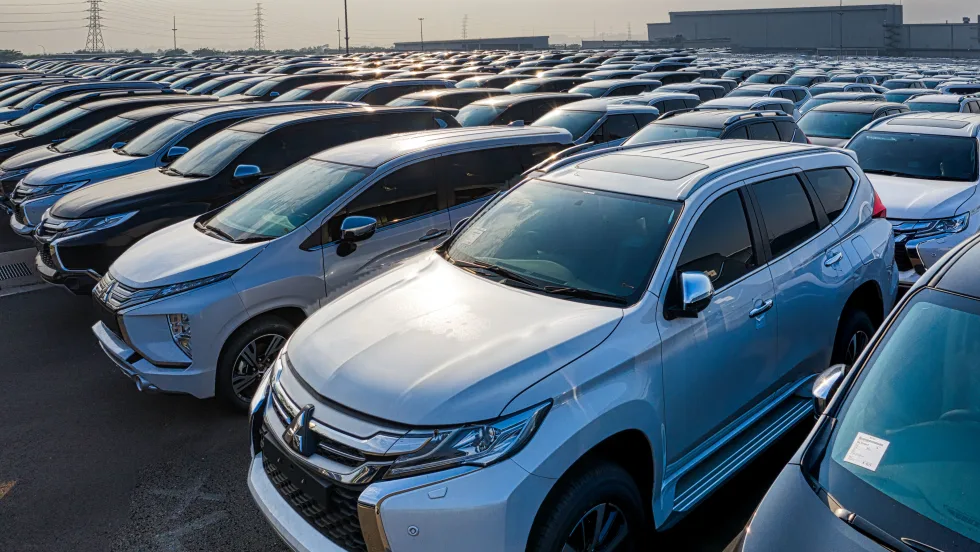
War Toll a Damper on Used Auto Prices
Cox Automotive found wholesale depreciation to be elevated in September amid high fuel prices and this year's unusual hurricane season.
Read More →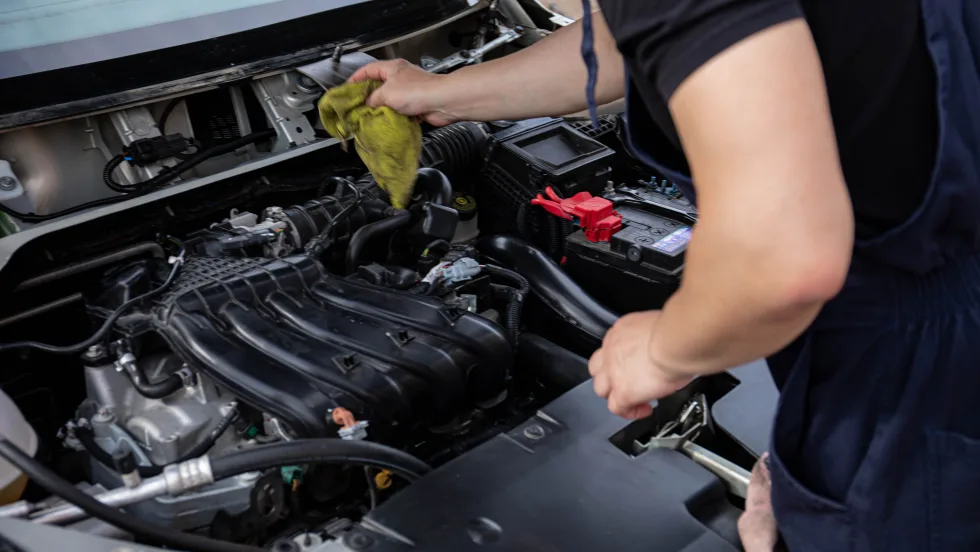
Bridge the Maintenance Gap
With many drivers missing recommended maintenance, service departments offering transparency and efficiency have a better chance of reaching financially strained consumers.
Read More →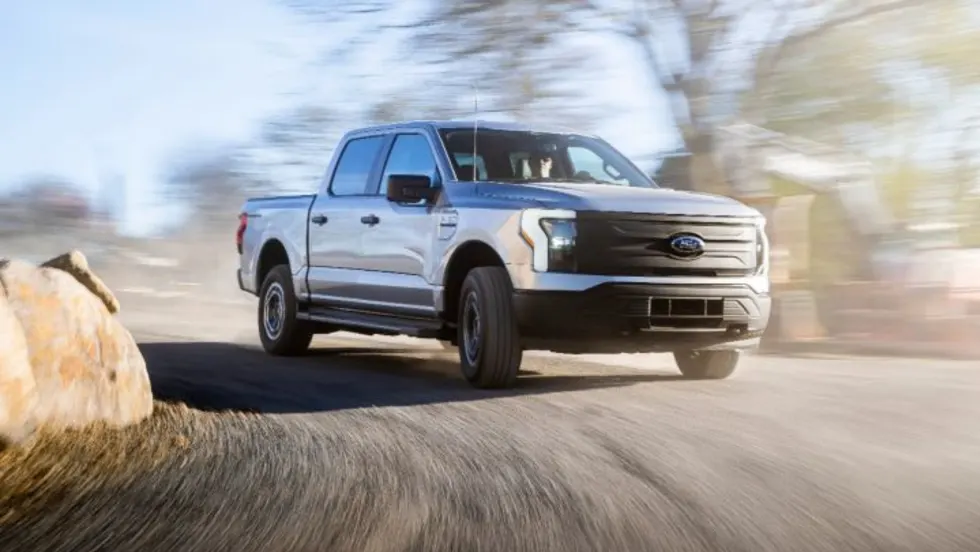
California Store Has New Owner
The longtime dealership in the northern part of the state is known for robust fleet sales and has served the state capital for 115 years.
Read More →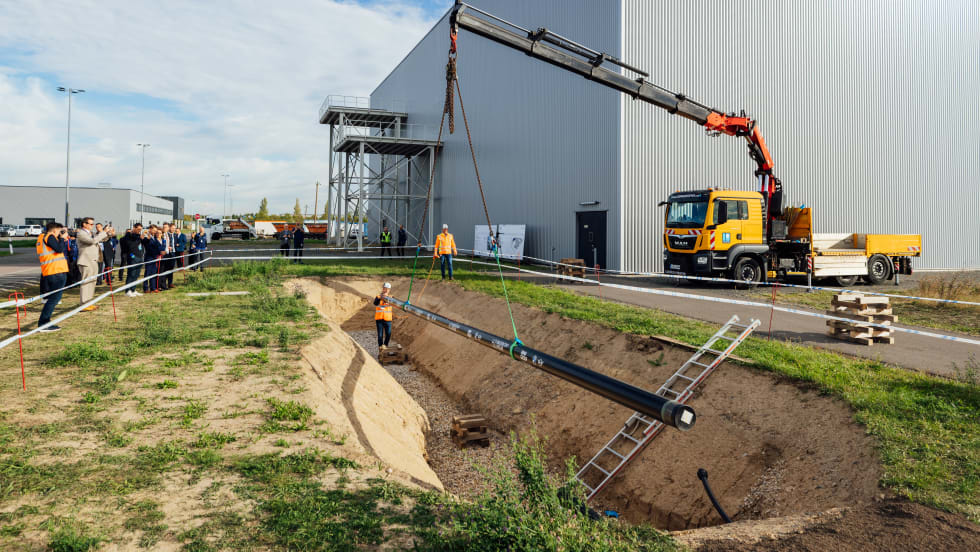
BMW Plant Pursues Cleaner Energy
BMW Group Plant Leipzig has utilized hydrogen to help power its production since 2013, but a new pipeline is planned to take it to another level.
Read More →
Auto Affordability Inches Up
The latest Cox Automotive and Moody’s Analytics index shows a slight increase in new-vehicle affordability despite high prices.
Read More →
Ohio Auto Group Under New Ownership
After 79 years with the Schluter family, Mansfield Auto Group has been acquired by Missouri-based Clement Auto Group.
Read More →
RV Group Expands Carolina Footprint
Blue Compass RV Columbia Northeast is the 13th RV dealership owned by Blue Compass in the Carolinas.
Read More →
Agent Acumen
An Agent Summit panel of people who’ve been supporting auto dealers for years gave both timely and timeless advice for those starting out or mulling the prospect.
Read More →
Missed Maintenance Creates Opportunity
As families get back on the road and into daily school routines, service drives have an opportunity to capture customers who are behind on recommended vehicle maintenance.
Read More →