



Founder, Executive Chairman of Fisker Automotive Quits

Via CNBC
Henrik Fisker, the founder and Executive Chairman of Fisker Automotive, told CNBC he is leaving the company due to differences with the company's current leadership.
"There are a lot of issues and differences I have with this company and the management team right now," Fisker said. "This is the best move for me right now."
Fisker leaves at a tumultuous time for the electric car company that has struggled with slow sales and a lack of liquidity. The company's first model, the extended range electric Karma, has been criticized as being too heavy and too inefficient. Since the Karma went on sale in 2011, Fisker Automotive has sold fewer than 2,000 models. The Fisker Karma sells for more than $100,000.
Under Henrik Fisker's leadership, Fisker Automotive was granted a $529 Million loan from the Department of Energy in September of 2009. It was hailed by environmentalists as an example of the government working with the auto industry to help develop electric cars and revive America's auto industry. After all, Fisker planned to eventually build cars at a former General Motors assembly plant in Delaware. That never happened. Instead, Fisker built the Karma in Finland saying there were no assembly plants in the U.S. that could build the luxury electric car on a contract basis.
The decision ignited a firestorm of controversy as critics blasted Fisker and the Obama Administration for using federal money to fund auto manufacturing in Europe. For a while, the Fisker DOE loan became a central point of the U.S. race for President as Republican nominee Mitt Romney blasted President Obama for lending federal money to a company that was struggling and building cars in Finland.
In 2011, the DOE suspended the Fisker Automotive line of credit after loaning the company $190 million of the $529 million the company was authorized to receive.
Meanwhile, as Fisker tried to get its finances in order, its launch model seemed to constantly be in the news for having problems. In 2011, the EPA rated the high priced EV as delivering the equivalent of 52 MPG, and an all-electric range of just 32 miles.
The results were well below what Fisker had promised and what auto enthusiasts expected. Early last year, the $107,000 Karma model Consumer Reports bought and was test driving stalled during its initial drive and had to be towed to a service center. Pictures of the Karma being loaded onto a flatbed tow truck became an embarrassing symbol of Karma problems.
Finally, during Hurricane Sandy last year, Fisker lost 300 new Karma models that were damaged in the storm. An estimated $30 Million dollars in vehicles lost at a time when Fisker was struggling to get models into showrooms and into the hands of potential buyers.
More Industry

Penske Auto Group Deal a Record
The deal to take the dealership and transportation services company private sets a new pace for industry buy-sell transactions.
Read More →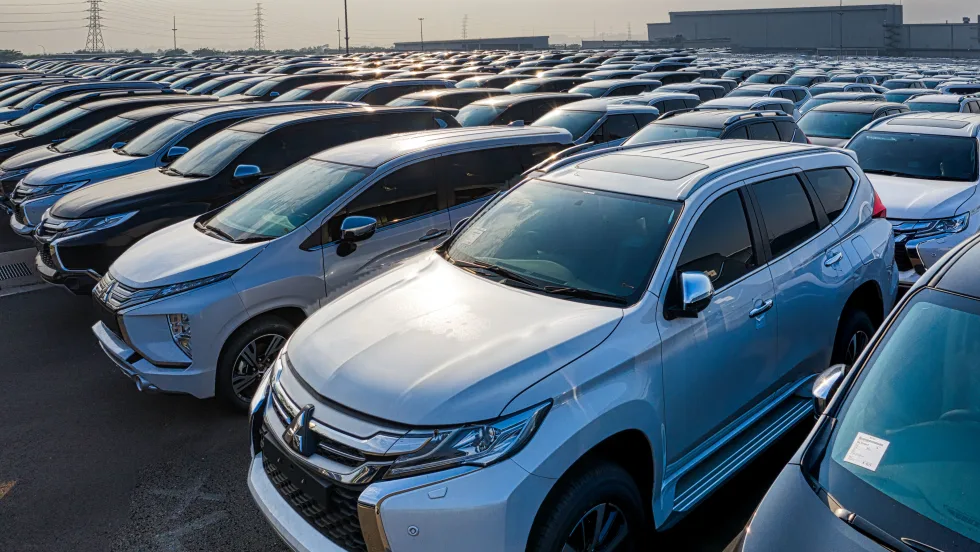
War Toll a Damper on Used Auto Prices
Cox Automotive found wholesale depreciation to be elevated in September amid high fuel prices and this year's unusual hurricane season.
Read More →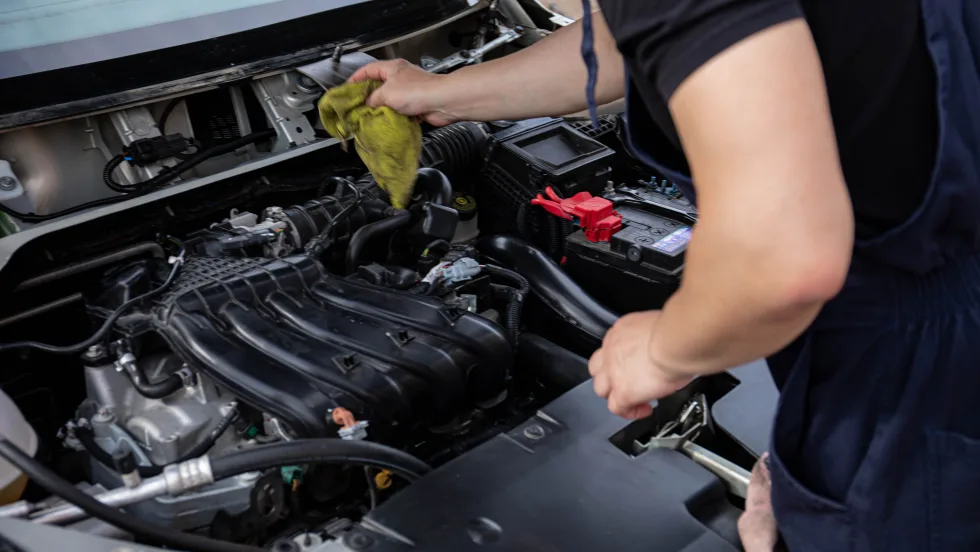
Bridge the Maintenance Gap
With many drivers missing recommended maintenance, service departments offering transparency and efficiency have a better chance of reaching financially strained consumers.
Read More →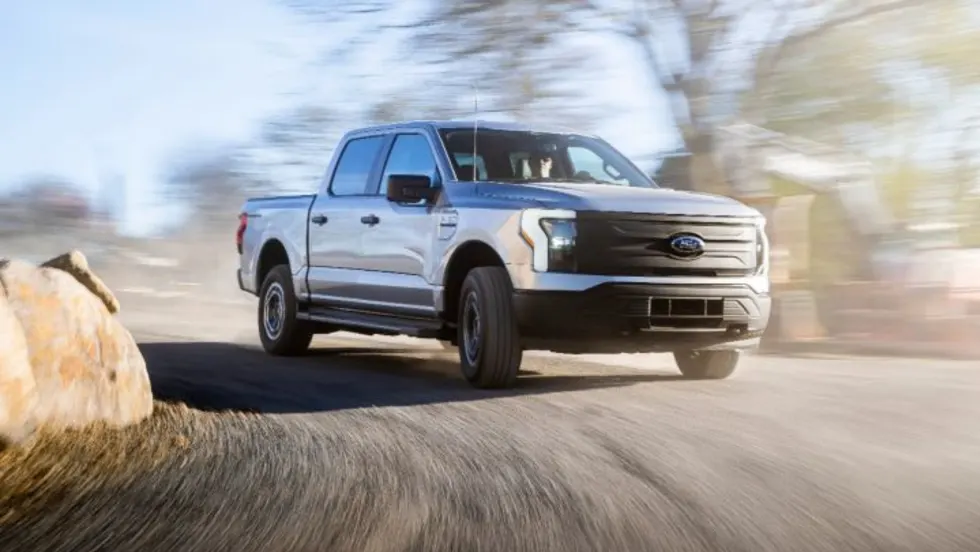
California Store Has New Owner
The longtime dealership in the northern part of the state is known for robust fleet sales and has served the state capital for 115 years.
Read More →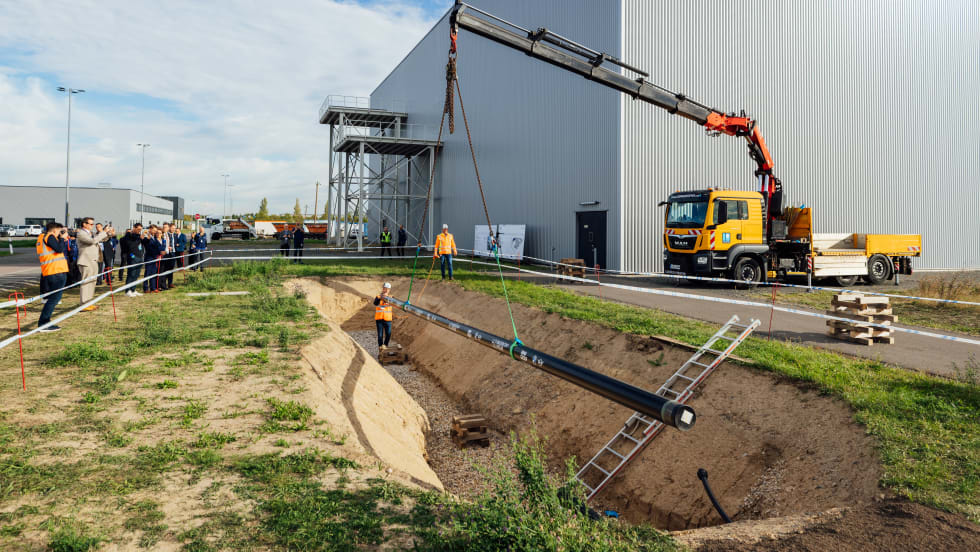
BMW Plant Pursues Cleaner Energy
BMW Group Plant Leipzig has utilized hydrogen to help power its production since 2013, but a new pipeline is planned to take it to another level.
Read More →
Auto Affordability Inches Up
The latest Cox Automotive and Moody’s Analytics index shows a slight increase in new-vehicle affordability despite high prices.
Read More →
Ohio Auto Group Under New Ownership
After 79 years with the Schluter family, Mansfield Auto Group has been acquired by Missouri-based Clement Auto Group.
Read More →
RV Group Expands Carolina Footprint
Blue Compass RV Columbia Northeast is the 13th RV dealership owned by Blue Compass in the Carolinas.
Read More →
Agent Acumen
An Agent Summit panel of people who’ve been supporting auto dealers for years gave both timely and timeless advice for those starting out or mulling the prospect.
Read More →
Missed Maintenance Creates Opportunity
As families get back on the road and into daily school routines, service drives have an opportunity to capture customers who are behind on recommended vehicle maintenance.
Read More →