



Ford Says It Won't Grant Raises to Salaried Workers This Year

Ford Motor Co., the world’s most profitable automaker, told salaried workers today they won’t receive raises this year, saying their compensation is commensurate with other large U.S. companies.
Ford won’t offer merit pay increases to its salaried employees because they are on par with companies such as General Motors Co., Pfizer Inc. and Boeing Co., Marcey Evans, a company spokeswoman, said in an interview today. Ford restored raises to its 20,000 U.S. salaried employees last year and will pay bonuses this year, Evans said.
Ford earned $6.37 billion in the first nine months of 2010, the most since 1998 and more than any other automaker. The Dearborn, Michigan-based company will report 2010 net income of $8.2 billion, the average estimate of three analysts surveyed by Bloomberg. New models like the Fiesta subcompact and the redesigned Taurus helped Ford boost U.S. sales 17 percent last year, more than the industry’s 11 percent gain.
“The economic recovery remains fragile and our competitors are becoming more aggressive,” Mark Fields, Ford’s president of the Americas, told salaried employees in a memo today. “In our most recent review of our salaried compensation against these benchmark companies, Ford base salaries in the U.S. and Canada were found to be competitive. Consequently, we are announcing there will be no 2011 merit pay increases for salaried employees.”
Ford, the only major U.S. automaker to avoid bankruptcy, is slated to negotiate a new contract with the United Auto Workers union this year for its 41,000 U.S. hourly employees. The UAW filed a grievance against Ford last year when it reinstated salaried raises, accusing the automaker of violating a promise of “equality of sacrifice” between hourly and white-collar workers.
That grievance is still being processed, said Evans, who declined to comment further on the matter.
More Industry

Penske Auto Group Deal a Record
The deal to take the dealership and transportation services company private sets a new pace for industry buy-sell transactions.
Read More →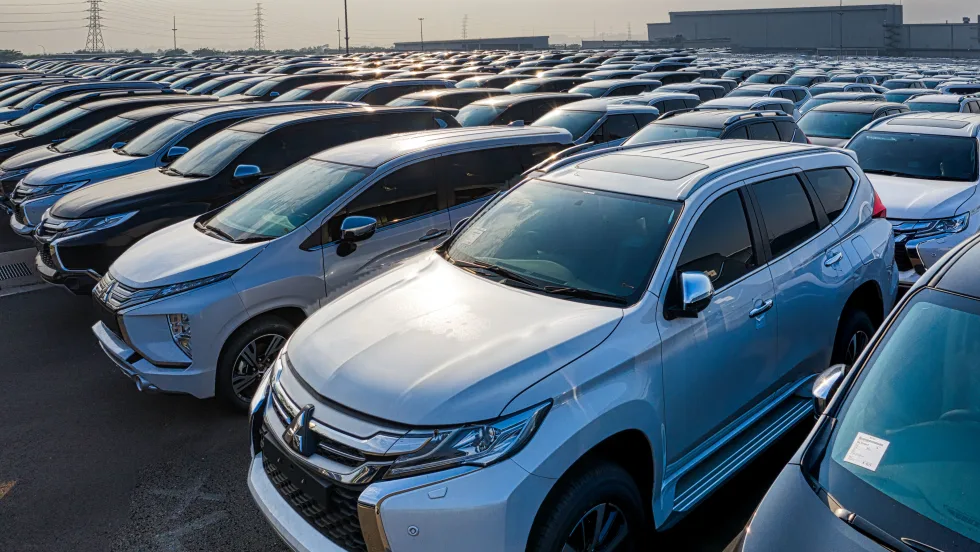
War Toll a Damper on Used Auto Prices
Cox Automotive found wholesale depreciation to be elevated in September amid high fuel prices and this year's unusual hurricane season.
Read More →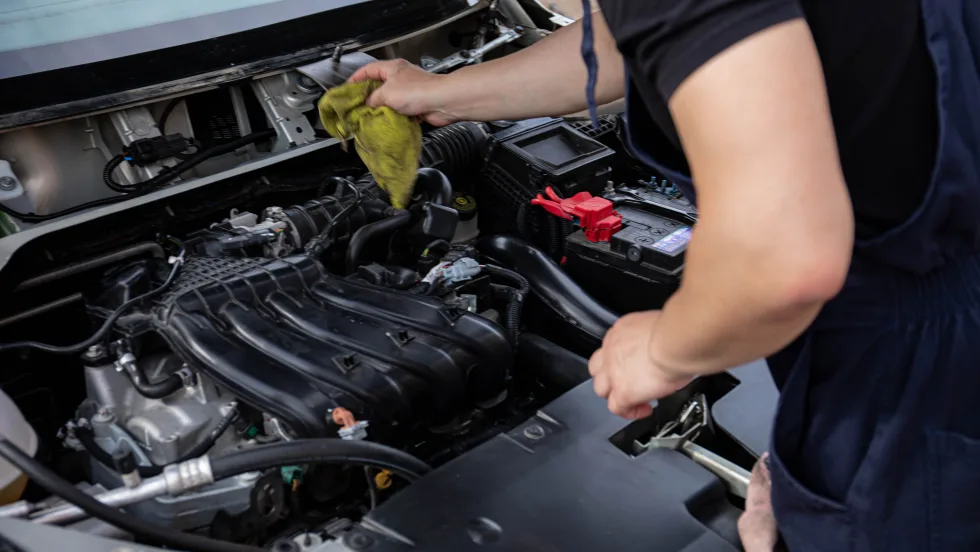
Bridge the Maintenance Gap
With many drivers missing recommended maintenance, service departments offering transparency and efficiency have a better chance of reaching financially strained consumers.
Read More →
California Store Has New Owner
The longtime dealership in the northern part of the state is known for robust fleet sales and has served the state capital for 115 years.
Read More →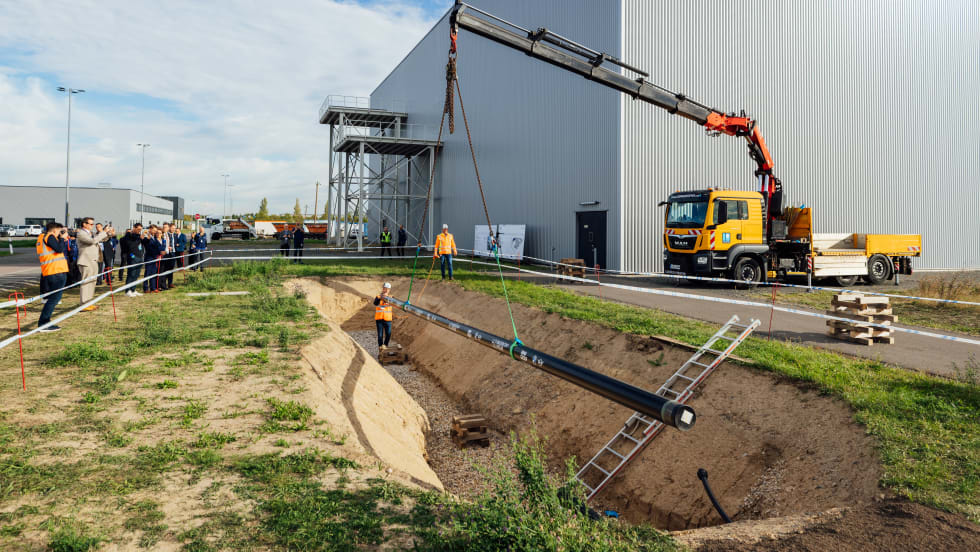
BMW Plant Pursues Cleaner Energy
BMW Group Plant Leipzig has utilized hydrogen to help power its production since 2013, but a new pipeline is planned to take it to another level.
Read More →
Auto Affordability Inches Up
The latest Cox Automotive and Moody’s Analytics index shows a slight increase in new-vehicle affordability despite high prices.
Read More →
Ohio Auto Group Under New Ownership
After 79 years with the Schluter family, Mansfield Auto Group has been acquired by Missouri-based Clement Auto Group.
Read More →
RV Group Expands Carolina Footprint
Blue Compass RV Columbia Northeast is the 13th RV dealership owned by Blue Compass in the Carolinas.
Read More →
Agent Acumen
An Agent Summit panel of people who’ve been supporting auto dealers for years gave both timely and timeless advice for those starting out or mulling the prospect.
Read More →
Missed Maintenance Creates Opportunity
As families get back on the road and into daily school routines, service drives have an opportunity to capture customers who are behind on recommended vehicle maintenance.
Read More →