



Ford Says 68 Percent of U.S. Drivers Have Poor View of Its Mileage

Ford Motor Co. said 68 percent of U.S. consumers don’t believe the automaker’s cars and trucks are fuel efficient.
“There are 240 million people driving vehicles in America and only 32 percent have a good opinion of Ford on fuel economy,” Jim Farley, the company’s global marketing chief, said today at the Barclays Capital 2011 Global Automotive Conference in New York. “That means 68 percent don’t.”
Improving Ford’s fuel economy image will enable it to raise prices, Farley said. Consumers who view automakers as having good fuel economy also believe they have good quality and safety attributes, he said.
“Fuel economy is ground zero in pricing power in the U.S. for Ford,” Farley said. “If you can change perceptions on fuel economy, you can change pricing power across your whole lineup.”
Car buyers are changing their view of Ford as the company introduces technologies such as “EcoBoost” engines that use direct-fuel injection and turbochargers to improve mileage by as much as 20 percent, Farley said.
“But we have a long way to go,” Farley said. “Those that own fuel economy in the U.S. own pricing.”
The second-largest U.S. automaker earned $6.6 billion in the first nine months of the year, as fuel-efficient models like the Fiesta subcompact and Explorer sport-utility vehicle attracted buyers, reported Bloomberg. Ford’s U.S. sales are up 11 percent this year through October, ahead of the market’s overall gain of 10 percent.
Ford fell 1.1 percent to $11.02 at the close in New York. The shares have fallen 34 percent this year after gaining 68 percent in 2010.
Ford earned $9.28 billion the past two calendar years following $30.1 billion in losses from 2006 through 2008. The Dearborn, Michigan-based automaker borrowed $23.4 billion in late 2006, putting up all major assets, including its blue oval logo, as collateral. That helped Ford avoid the bankruptcies and bailouts that befell the predecessors of General Motors Co. and Chrysler Group LLC.
Ford’s Lincoln luxury line can be revived like Burberry clothing or the Gucci brand, Farley said. Ford is redesigning Lincoln so that each model has a unique body style that is different from the Ford vehicle upon which they are based. Lincoln’s U.S. sales fell 11 percent in October from a year earlier and are off 63 percent to 85,828 vehicles last year since peaking in 1990 at 231,660.
“Lincoln wasn’t an abused brand, it was a neglected brand,” Farley said. “We have to get people to wake up and even notice the brand.”
More Industry
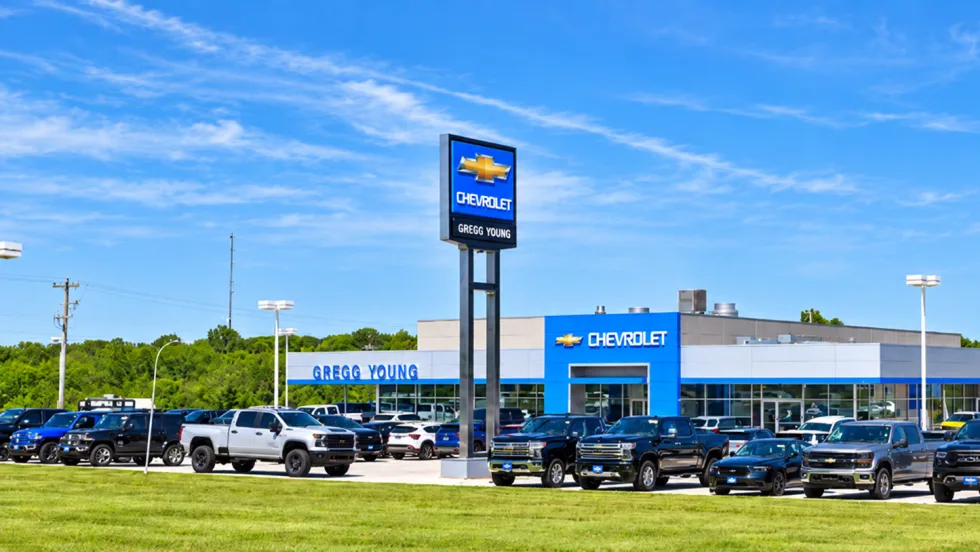
Nebraska Rooftop Changes Hands
The Gregg Young Automotive Group has sold its second dealership to Janssen Auto Group, both in Plattsmouth, Neb.
Read More →
Penske Auto Group Deal a Record
The deal to take the dealership and transportation services company private sets a new pace for industry buy-sell transactions.
Read More →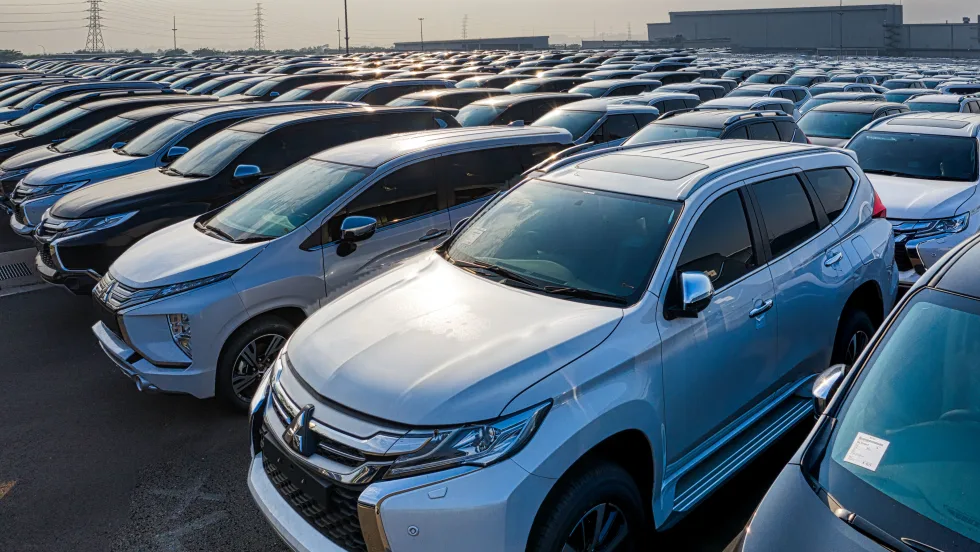
War Toll a Damper on Used Auto Prices
Cox Automotive found wholesale depreciation to be elevated in September amid high fuel prices and this year's unusual hurricane season.
Read More →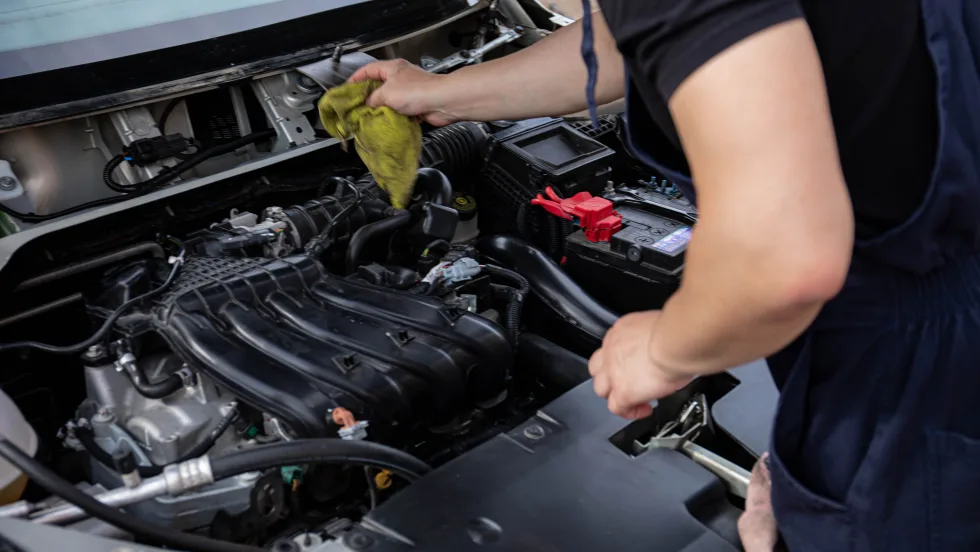
Bridge the Maintenance Gap
With many drivers missing recommended maintenance, service departments offering transparency and efficiency have a better chance of reaching financially strained consumers.
Read More →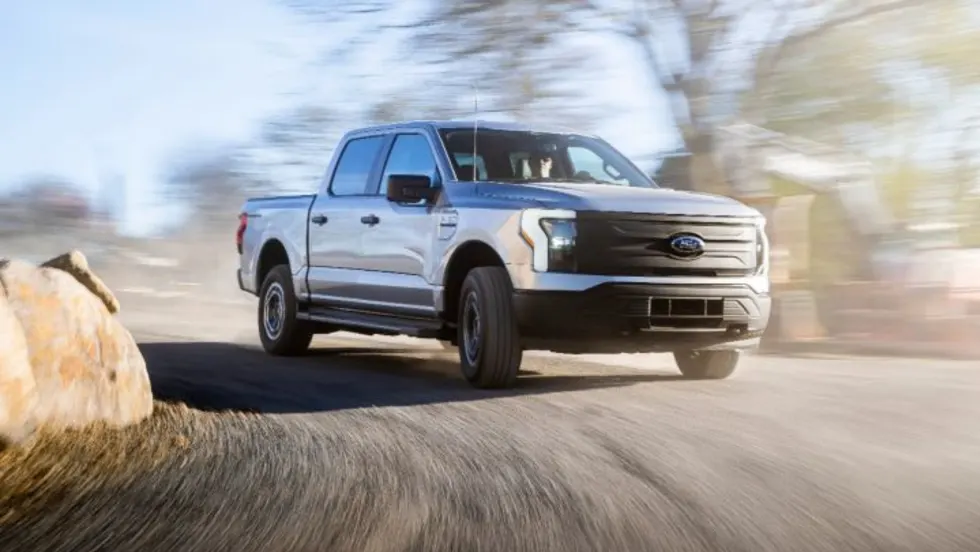
California Store Has New Owner
The longtime dealership in the northern part of the state is known for robust fleet sales and has served the state capital for 115 years.
Read More →
BMW Plant Pursues Cleaner Energy
BMW Group Plant Leipzig has utilized hydrogen to help power its production since 2013, but a new pipeline is planned to take it to another level.
Read More →
Auto Affordability Inches Up
The latest Cox Automotive and Moody’s Analytics index shows a slight increase in new-vehicle affordability despite high prices.
Read More →
Ohio Auto Group Under New Ownership
After 79 years with the Schluter family, Mansfield Auto Group has been acquired by Missouri-based Clement Auto Group.
Read More →
RV Group Expands Carolina Footprint
Blue Compass RV Columbia Northeast is the 13th RV dealership owned by Blue Compass in the Carolinas.
Read More →
Agent Acumen
An Agent Summit panel of people who’ve been supporting auto dealers for years gave both timely and timeless advice for those starting out or mulling the prospect.
Read More →