



Ford Profit to Miss Views

Ford Motor Co. on Wednesday forecast a second-quarter pre-tax profit that would fall below analysts' estimates as the auto maker spends more on commodities and on expanding its business.
"For the second quarter, we expect the company's total pre-tax profits excluding special items to be about the same or potentially slightly lower than the first quarter results," Ford Vice President and Controller Robert Shanks said at an analysts' conference in Chicago. He said its full-year earnings outlook remains unchanged.
Analysts currently estimate profit for the quarter ended June 30 of 64 cents a share, reported The Wall Street Journal. The Dearborn, Mich., auto maker reported pre-tax profit of $2.8 billion, or 62 cents a share, in its first quarter ended March 31.
A Ford spokesman declined to comment other than to note the company still expects improvement in full-year, pre-tax operating profit and automotive cash flow.
Mr. Shanks said his comments were in line with Ford's previous guidance other than the second-quarter results to be about flat with first-quarter earnings. Ford generated a profit of $2.55 billion, or 61 cents a share, in the first quarter.
"If you look at the second quarter, it will actually be very close to the first quarter, maybe a little bit lower, but actually very close," Mr. Shanks said.
"For the second half of the year, we expect the company's total pre-tax profits excluding special items to be lower than the first half. This is due to higher structural cost largely to support our growth and brand plans, increasing commodity cost and seasonal factors that tend to favor the first half of the year."
He said the company will spend $2 billion more on commodities this year than it did in 2010.
Auto makers and their parts suppliers are once again beginning to struggle with higher costs for steel, oil and rubber as industry output continues to recover and vehicle demand intensifies. Investors are watching to see if companies can succeed at maneuvering through the higher costs without eroding profits.
Mr. Shanks again raised the possibility of Ford re-starting its dividend. Ford executives made the same remarks during a business update meeting last week. The company stopped paying a stock dividend in 2006.
He offered a road map to paying a dividend, saying it would come, "Once we return to investment grade [debt rating], we maintain a strong business with a strong liquidity keeping our break-even levels low so that we can maintain our investment grade [rating] through a recession similar in severity to the one that we just went through. With these actions, we expect to achieve a competitive cost of capital and provide acceptable returns to our shareholders."
Ford shares fell 2 percent or 27 cents to $13.15 in 4 p.m. New York Stock Exchange trading on Wednesday. The stock has lost 21 percent year-to-date. Shares fell Monday after a Cleveland judge ordered the company to pay $2 billion in a class-action lawsuit brought by about 3,000 dealers who sold commercial trucks.
More Industry
Nebraska Rooftop Changes Hands
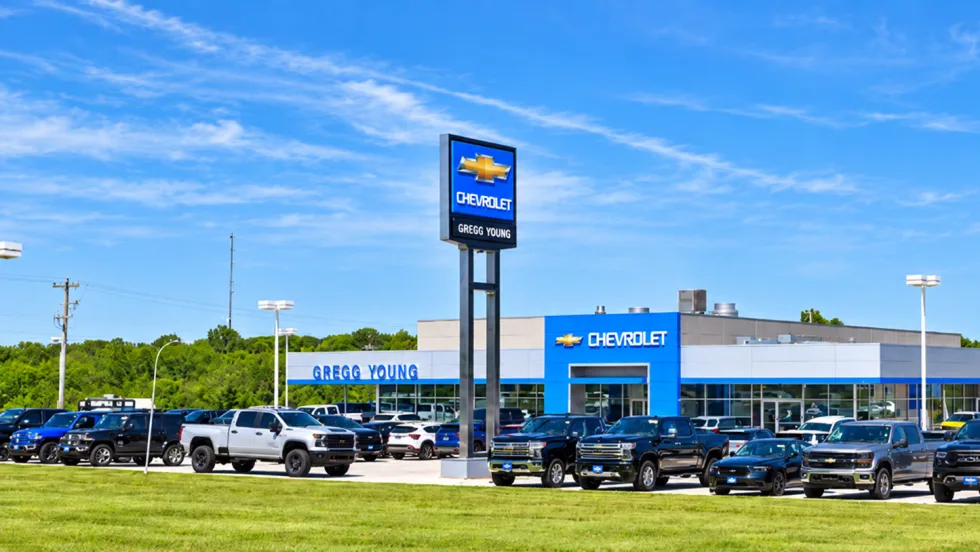
The Gregg Young Automotive Group has sold its second dealership to Janssen Auto Group, both in Plattsmouth, Neb.
Read More →
Penske Auto Group Deal a Record
The deal to take the dealership and transportation services company private sets a new pace for industry buy-sell transactions.
Read More →
War Toll a Damper on Used Auto Prices
Cox Automotive found wholesale depreciation to be elevated in September amid high fuel prices and this year's unusual hurricane season.
Read More →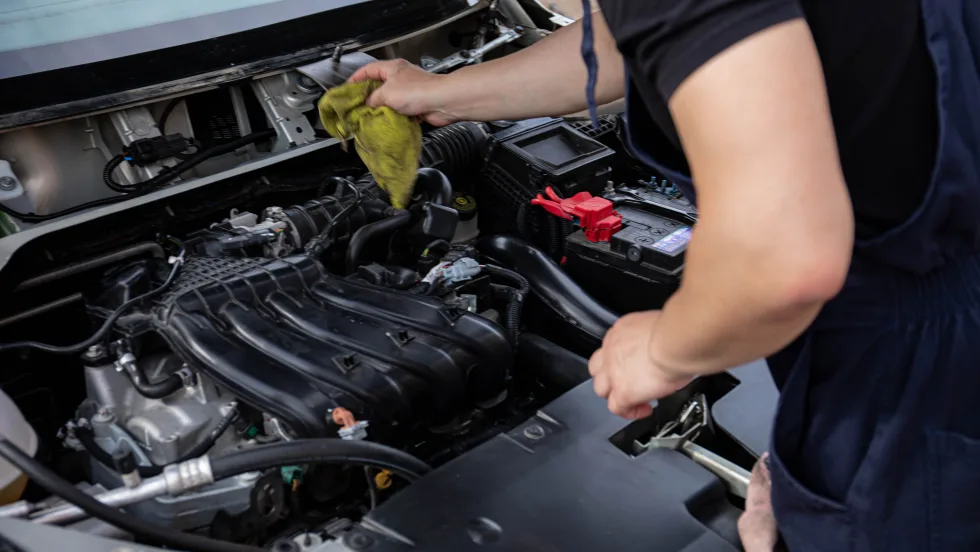
Bridge the Maintenance Gap
With many drivers missing recommended maintenance, service departments offering transparency and efficiency have a better chance of reaching financially strained consumers.
Read More →
California Store Has New Owner
The longtime dealership in the northern part of the state is known for robust fleet sales and has served the state capital for 115 years.
Read More →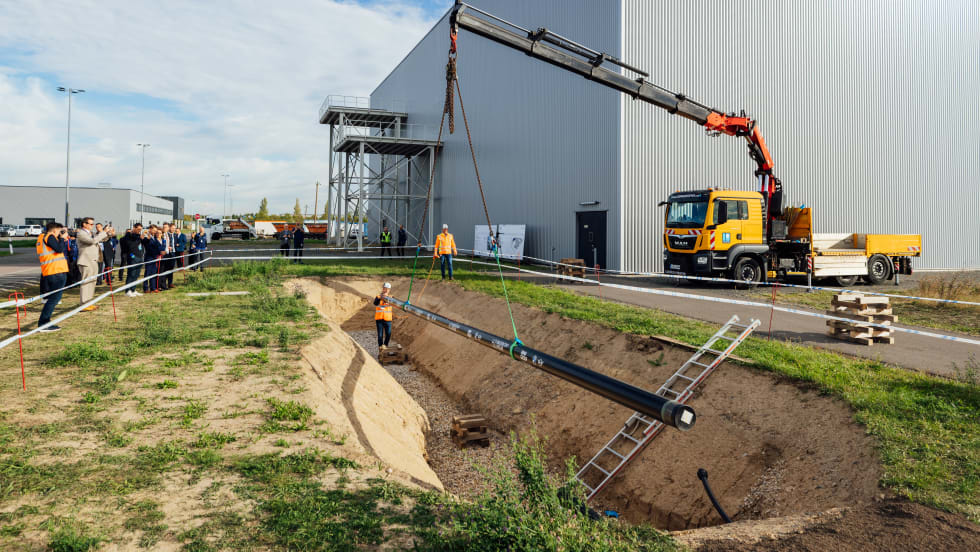
BMW Plant Pursues Cleaner Energy
BMW Group Plant Leipzig has utilized hydrogen to help power its production since 2013, but a new pipeline is planned to take it to another level.
Read More →
Auto Affordability Inches Up
The latest Cox Automotive and Moody’s Analytics index shows a slight increase in new-vehicle affordability despite high prices.
Read More →
Ohio Auto Group Under New Ownership
After 79 years with the Schluter family, Mansfield Auto Group has been acquired by Missouri-based Clement Auto Group.
Read More →
RV Group Expands Carolina Footprint
Blue Compass RV Columbia Northeast is the 13th RV dealership owned by Blue Compass in the Carolinas.
Read More →
Agent Acumen
An Agent Summit panel of people who’ve been supporting auto dealers for years gave both timely and timeless advice for those starting out or mulling the prospect.
Read More →