



Ford Names Mark Fields as CEO

Ford Motor Co. confirmed Thursday that Mark Fields, its chief operating officer, will replace Alan Mulally as chief executive, effective July 1.
The Wall Street Journal had reported last month that Mr. Mulally would leave the company earlier than expected and as soon as July, after a more than seven-year run in which he oversaw a significant expansion of the U.S. auto maker.
Mr. Fields, who is 53 years old, is a Ford veteran who survived management turmoil in the years before Mr. Mulally's 2006 arrival from Boeing Co. Mr. Fields, the company's operating chief, has won praise along with Mr. Mulally for getting Ford's diverse operations to function as a single business with shared parts, models and goals.
Mr. Fields will also be named president and will join the company's board. Mr. Mulally said he won't retain his board position and isn't sure what he will do when he leaves the company.
Ford said the planned transition in July is about six months earlier than previously expected, following Mr. Mulally's recommendation to accelerate the timetable.
"We've had very few, maybe never, had a planned and smooth transition, all the way back to my great grandfather," Chairman Bill Ford said at an event announcing Mr. Mulally's departure.
"That's why this transition is so gratifying to me. Mark has been Alan's partner every step of the way. People are always asking, 'Gee, when Alan leaves, is the culture going to change back?' Mark has been an architect of that culture along with the management here," Mr. Ford said.
Mr. Mulally, 68, will leave Ford in a good position, with a booming business in China, record profit in North America and a European operation on the mend. Ford's board met Wednesday and approved Mr. Fields as the CEO. On April 25, Mr. Mulally said there had been no change in his plan to stay through the remainder of 2014.
Mr. Ford said the board looked at outside candidates at some point but quickly decided that Mr. Fields "was by all measures, not only the best candidate, but a fantastic candidate."
Mr. Fields is expected to step easily into his new role. He has been running the company's weekly business review—Mr. Mulally's signature creation—for more than a year. He also created his own Wednesday morning meeting with key executives to regularly receive updates on the company's product launch schedule.
Mr. Fields said there won't be a new chief operation officer named and he has no plans to change any management team positions.
Before becoming operating chief, Mr. Fields served as president of the Americas division. He previously guided the product-led transformation of Ford's European operations.
Among Mr. Fields's first challenges will be the budding political crisis in Russia, where the company has invested hundreds of millions of dollars, as well as currency devaluations in South America that are hurting profit. He also must manage the rollout of the company's 2015 aluminum F-150 pickup truck, which introduces new production techniques to Ford's most profitable vehicle.
Mr. Mulally, a longtime Boeing executive, was the first of a trio of outsiders including Dan Akerson at General Motors Co. and Sergio Marchionne at Fiat Chrysler Automobiles NV who took over Detroit's big auto makers in the last decade.
While GM and Chrysler accepted billions of dollars in taxpayer funds to finance their bankruptcy restructurings in 2009, Mr. Mulally and Ford financed a drastic overhaul with a $23.5 billion borrowing completed not long before the financial markets began to seize up because of the subprime mortgage crisis.
Ford had a net loss of $12.6 billion in 2006, the year Mr. Mulally took over. Ford in 2006 sold vehicles under six big-name brands—Ford, Mercury, Lincoln, Jaguar, Land Rover and Volvo—and owned British exotic sports car maker Aston Martin.
Mr. Mulally sold the European luxury brands, closed Mercury and sold nearl y all of Ford's stake in its longtime Japanese affiliate Mazda Motors Corp.
By 2012, Ford had just two brands—Ford and Lincoln—and reported net income of $5.7 billion.
More Industry

Penske Auto Group Deal a Record
The deal to take the dealership and transportation services company private sets a new pace for industry buy-sell transactions.
Read More →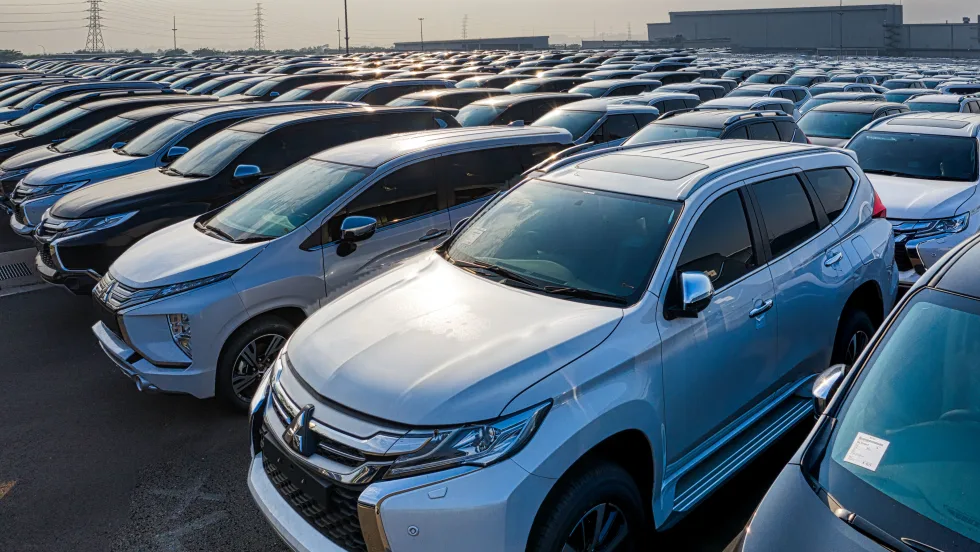
War Toll a Damper on Used Auto Prices
Cox Automotive found wholesale depreciation to be elevated in September amid high fuel prices and this year's unusual hurricane season.
Read More →
Bridge the Maintenance Gap
With many drivers missing recommended maintenance, service departments offering transparency and efficiency have a better chance of reaching financially strained consumers.
Read More →
California Store Has New Owner
The longtime dealership in the northern part of the state is known for robust fleet sales and has served the state capital for 115 years.
Read More →
BMW Plant Pursues Cleaner Energy
BMW Group Plant Leipzig has utilized hydrogen to help power its production since 2013, but a new pipeline is planned to take it to another level.
Read More →
Auto Affordability Inches Up
The latest Cox Automotive and Moody’s Analytics index shows a slight increase in new-vehicle affordability despite high prices.
Read More →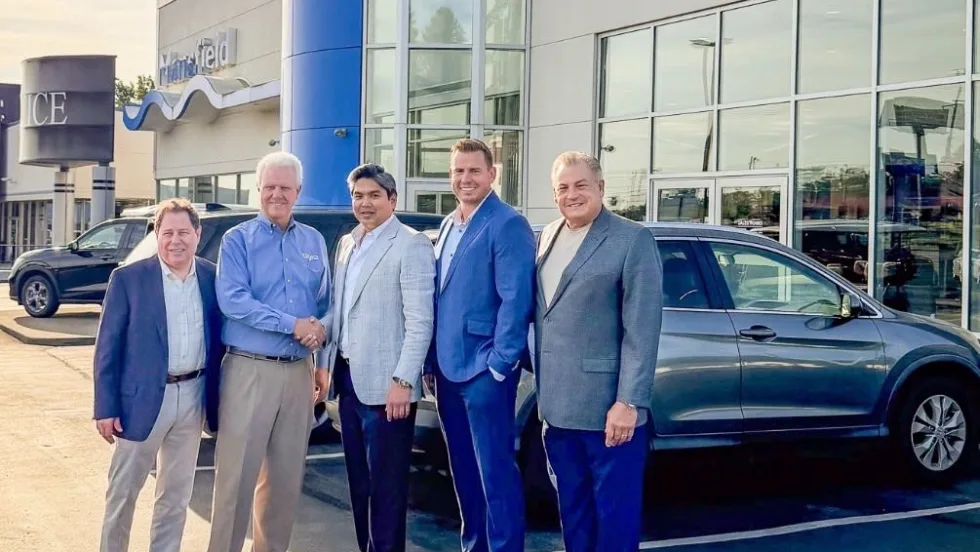
Ohio Auto Group Under New Ownership
After 79 years with the Schluter family, Mansfield Auto Group has been acquired by Missouri-based Clement Auto Group.
Read More →
RV Group Expands Carolina Footprint
Blue Compass RV Columbia Northeast is the 13th RV dealership owned by Blue Compass in the Carolinas.
Read More →
Agent Acumen
An Agent Summit panel of people who’ve been supporting auto dealers for years gave both timely and timeless advice for those starting out or mulling the prospect.
Read More →
Missed Maintenance Creates Opportunity
As families get back on the road and into daily school routines, service drives have an opportunity to capture customers who are behind on recommended vehicle maintenance.
Read More →