



Ford, GM Make Moves for Self-Driving Vehicles
Ford Motor Co. and General Motors Co. are investing in Silicon Valley-area ventures as they try to stay in front of the fast-changing automotive industry. Ford tapped former University of Michigan interim athletic director Jim Hackett to lead a new subsidiary, Ford Smart Mobility LLC, according to The Detroit News. That wing of the company ... Read More »

Ford Motor Co. and General Motors Co. are investing in Silicon Valley-area ventures as they try to stay in front of the fast-changing automotive industry.
Ford tapped former University of Michigan interim athletic director Jim Hackett to lead a new subsidiary, Ford Smart Mobility LLC, according to The Detroit News. That wing of the company will develop alternative transportation strategies and self-driving technologies in Dearborn and Palo Alto, California, Ford said Friday.
Also Friday, GM announced it will acquire Cruise Automation, a three-year-old San Francisco startup that will help GM test and develop driverless cars in city environments.
The moves – the latest in a series of similar announcements by both automakers in recent years – are part of an effort to transform into tech-savvy mobility companies to compete with newcomers like Uber, Apple and Google. They are intended to show Wall Street they are no longer the hidebound companies that nearly went out of business during the last economic downturn.
“They’re covering their bases,” said Jack Nerad, executive editorial director and executive market analyst with Kelley Blue Book. “Tomorrow might be a very different landscape, and they want to be ready.”
For the past 14 months, Ford has been working on a number of smart mobility experiments that test everything from car-sharing services to alternative forms of transportation like electric bicycles and drones.
Recently, Ford started an Uber-like shuttle service for its Dearborn employees, and partnered with Bridj, a shuttle service in Kansas City. It also launched a new app, called FordPass, that collects information such as parking space availability. Some of its mobility research includes development of autonomous vehicle technology.
Michelle Krebs, senior analyst at AutoTrader, said it’s a strategic business move.
“In addition to tapping into new revenue sources, Ford is establishing a framework for all work related to future mobility that allows the rest of the company to focus intently on the day-to-day core business of vehicle manufacturing,” she said. “Past efforts by Ford to transform to a mobility company failed because the company took its eye off its core business. Yet, the work that goes on within the new mobility subsidiary can feed back into the core business when appropriate if Ford does this right.”
Hackett – the former Steelcase vice chairman and CEO and recent UM athletic director – is leaving his position on the Ford board of directors to become chairman of the new subsidiary. He will report to Ford President and CEO Mark Fields.
During his time at Steelcase, Hackett helped transform the company from a traditional furniture-maker to one that understood the rise in popularity of open-office spaces and other trends.
“I’m so excited by it because it’s the wheelhouse of me, which is working on abstract, hard problems with great, smart people,” Hackett told The Detroit News on Friday. “This stint at UM is like the sorbet course of the meal, it cleansed my palate of one industry to do something different.”
Other automakers are creating separate business units as well. GM announced earlier this year it had created the Autonomous and Technology Vehicle Development Team, led by Doug Parks, its former vice president of global product programs.
GM’s acquisition of Cruise Automation will help it further develop driverless cars. The three-year-old technology company will act as an independent unit within the Autonomous Vehicle Development Team. Cruise Automation will continue to be based in San Francisco. The deal is expected to close in the second quarter; terms were not disclosed.
Since the start of the year, GM has announced it was investing $500 million in the ride-sharing service Lyft; launched its own Zipcar-like car-sharing service in Ann Arbor called Maven; and established a separate unit for autonomous vehicle development.
“The Cruise acquisition shows that GM is serious about autonomous driving, as is almost every other auto manufacturer,” said Akshay Anand, analyst at Kelley Blue Book. “Like it or not, autonomous cars are coming, and coming fast.”
More Industry
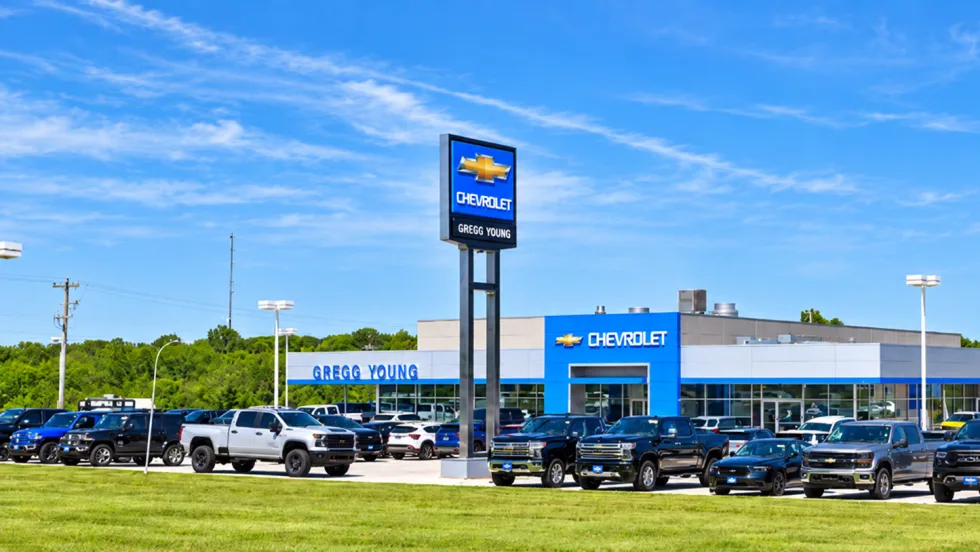
Nebraska Rooftop Changes Hands
The Gregg Young Automotive Group has sold its second dealership to Janssen Auto Group, both in Plattsmouth, Neb.
Read More →
Penske Auto Group Deal a Record
The deal to take the dealership and transportation services company private sets a new pace for industry buy-sell transactions.
Read More →
War Toll a Damper on Used Auto Prices
Cox Automotive found wholesale depreciation to be elevated in September amid high fuel prices and this year's unusual hurricane season.
Read More →
Bridge the Maintenance Gap
With many drivers missing recommended maintenance, service departments offering transparency and efficiency have a better chance of reaching financially strained consumers.
Read More →
California Store Has New Owner
The longtime dealership in the northern part of the state is known for robust fleet sales and has served the state capital for 115 years.
Read More →
BMW Plant Pursues Cleaner Energy
BMW Group Plant Leipzig has utilized hydrogen to help power its production since 2013, but a new pipeline is planned to take it to another level.
Read More →
Auto Affordability Inches Up
The latest Cox Automotive and Moody’s Analytics index shows a slight increase in new-vehicle affordability despite high prices.
Read More →
Ohio Auto Group Under New Ownership
After 79 years with the Schluter family, Mansfield Auto Group has been acquired by Missouri-based Clement Auto Group.
Read More →
RV Group Expands Carolina Footprint
Blue Compass RV Columbia Northeast is the 13th RV dealership owned by Blue Compass in the Carolinas.
Read More →
Agent Acumen
An Agent Summit panel of people who’ve been supporting auto dealers for years gave both timely and timeless advice for those starting out or mulling the prospect.
Read More →