



Ford Expects to Resume Dividend

Ford Motor Co., which hasn’t paid a dividend in five years, expects to resume paying one in the “relatively near future,” and is no longer tying such a move to achieving an investment-grade debt rating.
“As our balance sheet continues to improve, we expect to resume paying a dividend,” Controller Bob Shanks said today at the Citi Global Industrials Conference in Boston. “We expect this to occur in the relatively near future.”
Ford suspended its dividend in September 2006. Chief Financial Officer Lewis Booth said at a Sept. 9 investor conference that Ford won’t resume paying a dividend until after returning to an investment-grade credit rating. Standard & Poor’s rates Ford debt at BB-, three levels below investment grade, with a positive outlook, reported Bloomberg.
“We do not need to be investment grade before resuming our dividends,” Todd Nissen, a Ford spokesman, said in an e-mailed statement after today’s presentation.
The second-largest U.S. automaker earned $4.95 billion in the first half of the year, as fuel-efficient models like the Fiesta subcompact attracted buyers. Ford’s U.S. light-vehicle sales are up 12 percent this year through August, ahead of the industrywide gain of 10 percent.
The automaker is seeking to lower labor costs in contract talks with the United Auto Workers. The current contract covering Ford’s 41,000 U.S. hourly workers expired Sept. 14 and was extended. General Motors Co. reached a tentative agreement with the UAW Sept. 16, subject to ratification vote by workers.
Chief Executive Officer Alan Mulally raised prices this year to offset some of the $4 billion in higher costs the company expects in 2011, including manufacturing spending.
Ford earned $9.28 billion in the past two calendar years after $30.1 billion in losses from 2006 through 2008. The automaker borrowed $23.4 billion in late 2006, putting up all major assets including its blue oval logo as collateral. That helped Ford avoid the bankruptcies and bailouts that befell the predecessors of GM and Chrysler Group LLC.
Ford slid 45 cents, or 4.3 percent, to $9.97 at 4 p.m. in New York Stock Exchange composite trading. The shares have fallen 41 percent this year.
More Industry

Penske Auto Group Deal a Record
The deal to take the dealership and transportation services company private sets a new pace for industry buy-sell transactions.
Read More →
War Toll a Damper on Used Auto Prices
Cox Automotive found wholesale depreciation to be elevated in September amid high fuel prices and this year's unusual hurricane season.
Read More →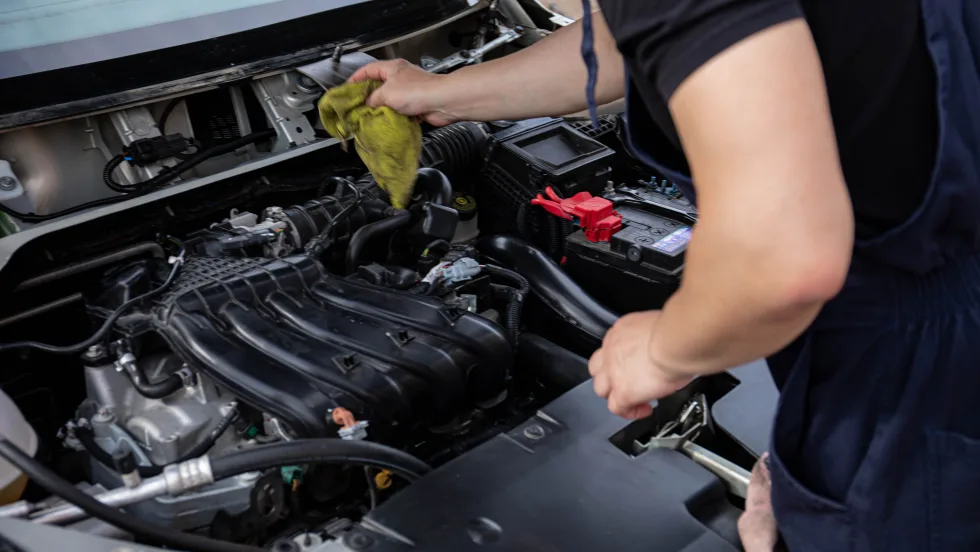
Bridge the Maintenance Gap
With many drivers missing recommended maintenance, service departments offering transparency and efficiency have a better chance of reaching financially strained consumers.
Read More →
California Store Has New Owner
The longtime dealership in the northern part of the state is known for robust fleet sales and has served the state capital for 115 years.
Read More →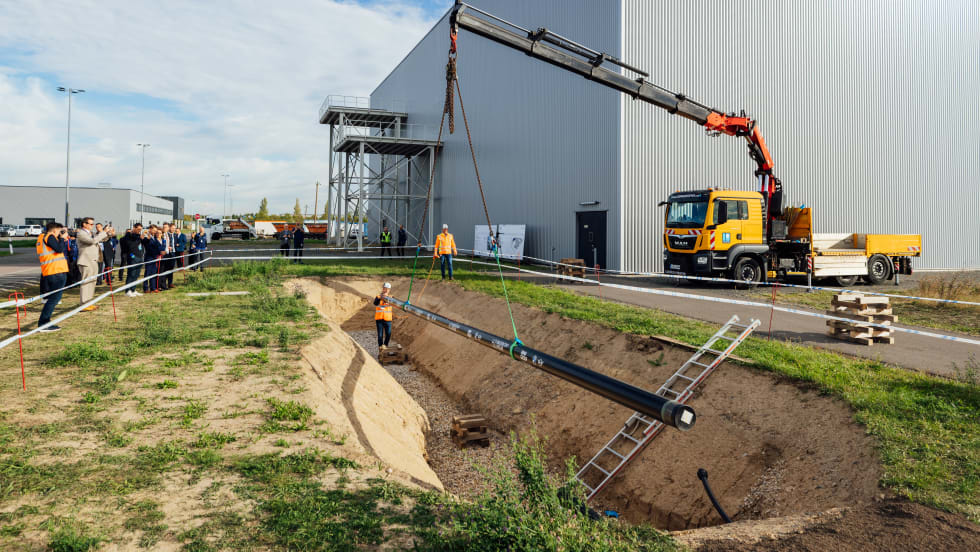
BMW Plant Pursues Cleaner Energy
BMW Group Plant Leipzig has utilized hydrogen to help power its production since 2013, but a new pipeline is planned to take it to another level.
Read More →
Auto Affordability Inches Up
The latest Cox Automotive and Moody’s Analytics index shows a slight increase in new-vehicle affordability despite high prices.
Read More →
Ohio Auto Group Under New Ownership
After 79 years with the Schluter family, Mansfield Auto Group has been acquired by Missouri-based Clement Auto Group.
Read More →
RV Group Expands Carolina Footprint
Blue Compass RV Columbia Northeast is the 13th RV dealership owned by Blue Compass in the Carolinas.
Read More →
Agent Acumen
An Agent Summit panel of people who’ve been supporting auto dealers for years gave both timely and timeless advice for those starting out or mulling the prospect.
Read More →
Missed Maintenance Creates Opportunity
As families get back on the road and into daily school routines, service drives have an opportunity to capture customers who are behind on recommended vehicle maintenance.
Read More →