



Ford Credit Reports Preliminary Earnings of $2 Billion in 2010

DEARBORN – Ford Motor Credit Company reported net income of $2 billion in 2010, an improvement of $0.7 billion from earnings of $1.3 billion a year earlier. On a pre-tax basis, Ford Credit earned $3.1 billion in 2010, compared with $2 billion in the previous year.
The captive lender said the full year increase in pretax earnings is primarily explained by a lower provision for credit losses and lower depreciation expense for leased vehicles related to higher auction values, offset partially by lower volume and the non-recurrence of net gains related to unhedged currency exposure primarily from cross-border intercompany lending.
In the fourth quarter of 2010, Ford Credit’s net income was $367 million, a decrease of $85 million from a year earlier. On a pre-tax basis, Ford Credit earned $572 million in the fourth quarter of 2010, compared with $714 million in the previous year. The decrease in pre-tax earnings primarily reflected lower volume and the non-recurrence of lower lease depreciation expense related to lower gains as fewer leases terminated and the vehicles were sold.
“We are pleased with our 2010 performance, which enabled us to increase our planned distributions,” Ford Credit Chairman and CEO Mike Bannister said. “We expect results to be solid though more moderate in 2011 as we continue to provide strong support for Ford, our dealers and customers.”
On Dec. 31, 2010, Ford Credit’s on-balance sheet net receivables totaled $81 billion, compared with $93 billion at year-end 2009. Managed receivables were $83 billion on Dec. 31, 2010, down from $95 billion at year-end 2009. The lower receivables primarily reflected the discontinuation of Jaguar, Land Rover, Mazda and Volvo financing and lower industry volumes in recent years.
On Dec. 31, 2010, managed leverage was 6.7 to 1. Ford Credit distributed $1 billion to Ford Motor Company in the fourth quarter of 2010 for a total of $2.5 billion of distributions in 2010.
For full-year 2011, Ford Credit expects to be solidly profitable but at a lower level than in 2010, reflecting primarily the non-recurrence of lease depreciation expenses and credit loss reserve reductions of the same magnitude as 2010. At year-end 2011, managed receivables are anticipated to be in the range of $80 billion to $85 billion. Ford Credit expects to pay distributions to Ford Motor of about $2 billion in 2011.
More Industry
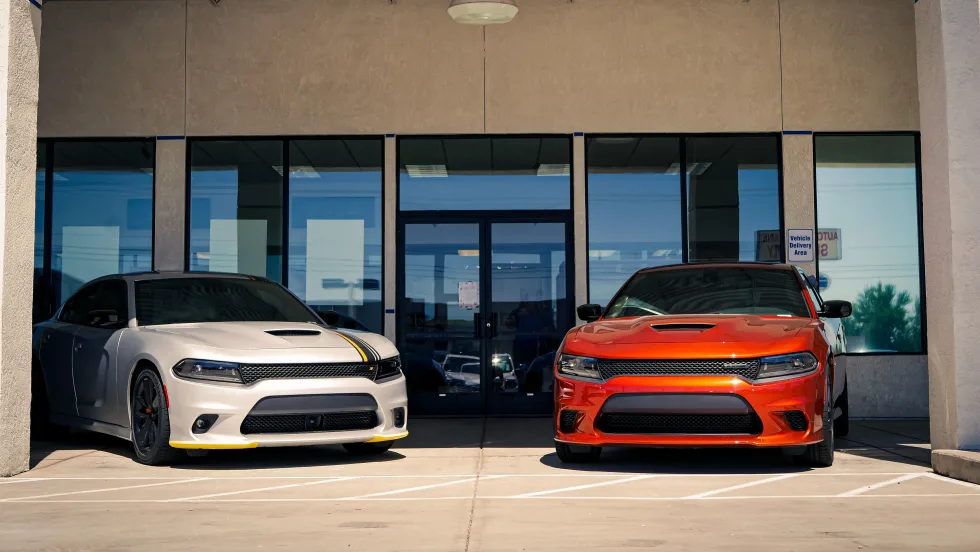
Auto Affordability Inches Up
The latest Cox Automotive and Moody’s Analytics index shows a slight increase in new-vehicle affordability despite high prices.
Read More →
Ohio Auto Group Under New Ownership
After 79 years with the Schluter family, Mansfield Auto Group has been acquired by Missouri-based Clement Auto Group.
Read More →
RV Group Expands Carolina Footprint
Blue Compass RV Columbia Northeast is the 13th RV dealership owned by Blue Compass in the Carolinas.
Read More →
Agent Acumen
An Agent Summit panel of people who’ve been supporting auto dealers for years gave both timely and timeless advice for those starting out or mulling the prospect.
Read More →
Missed Maintenance Creates Opportunity
As families get back on the road and into daily school routines, service drives have an opportunity to capture customers who are behind on recommended vehicle maintenance.
Read More →
Mitsubishi Unveils U.S. Plan
The automaker announced a strategy that includes an expanded lineup and dealership presence, along with more ‘rugged’ and electric models.
Read More →
Selling to Grow
The question of whether you should sell your agency and if so, when, is up to you. But it’s a question worth asking to ensure you keep the business on the right path for yourself, employees and clients.
Read More →
Recalled Vehicles Hit 5-Year High
Though the number of events has fallen so far this year, impacted units are up significantly. Meanwhile, regulators consider consumer notification changes.
Read More →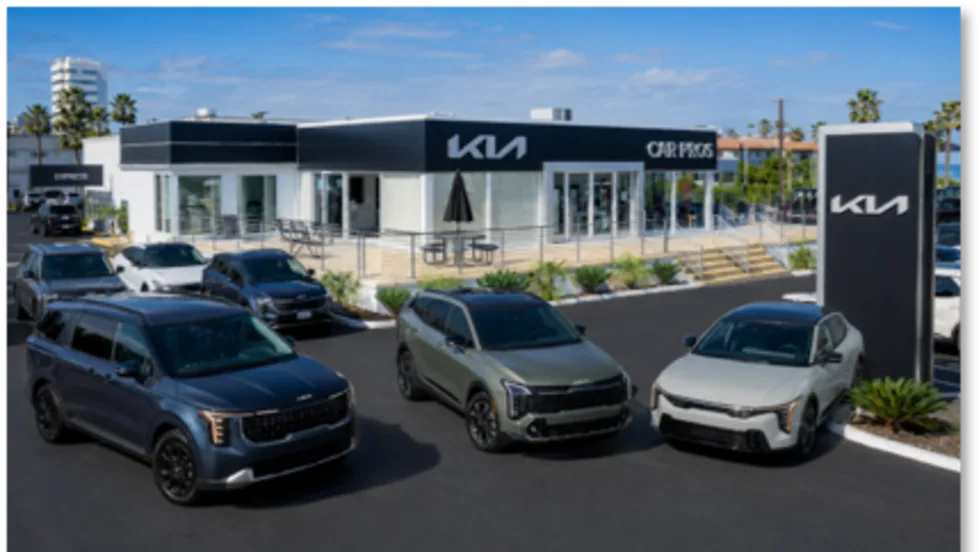
Auto Group Acquires Top-Performing Rooftop
Car Pros sold its Kia Huntington Beach location to Sutherlin Automotive Group, marking the buyer’s third location in Southern California.
Read More →
China as Pacesetter
Automotive leaders huddled on where North America stands in the global picture and how it can strengthen its position against the Asian juggernaut’s surging industry.
Read More →