



Ford and Heinz Exploring Car Parts Made of Tomato Fiber

Ford and Heinz have a juicy idea: They are exploring using tomato fibers for car parts, reported Detroit Free Press.
The corporate giants are collaborating on replacing petrochemicals in plastic parts with sustainable materials made of tomato fibers. They are testing the fibers’ durability for use in vehicle wiring brackets and storage bins.
The bio-friendly composite uses dried tomato skins.
“We are exploring whether this food processing byproduct makes sense for an automotive application,” said Ellen Lee, plastics research technical specialist for Ford. “Our goal is to develop a strong, lightweight material that meets our vehicle requirements, while at the same time reducing our overall environmental impact.”
In an effort started almost two years ago. Ford is working with Heinz, Coca-Cola, Nike and Procter & Gamble on research into plant-based plastics for car parts.
Heinz researchers approached Ford when they were looking to recycle peels, stems and seeds from 2 million tons of tomatoes used annually to make ketchup.
“We are delighted that the technology has been validated,” said Vidhu Nagpal, a Heinz packaging director. “Although we are in the very early stages, and many questions remain, we are excited about the possibilities this could produce and the advancement of sustainable 100% plant-based plastics.”
Ford founder Henry Ford experimented in the use of soybeans. The automaker continues to recycle nonmetal and bio-based materials.
There are now eight bio-based materials in various areas of its vehicles, including cellulose fiber-reinforced console components and rice hull-filled electrical cowl brackets introduced in the last year. Ford also has coconut-based composite materials, recycled cotton for carpeting and seat fabrics, and soy foam seat cushions and head restraints.
Other automakers also have bio-solutions. More than a decade ago, Daimler harvested coconuts in Brazil’s rainforests for headliners and other parts in its Freightliner trucksbuilt in Sao Paulo, Brazil.
More Industry

Penske Auto Group Deal a Record
The deal to take the dealership and transportation services company private sets a new pace for industry buy-sell transactions.
Read More →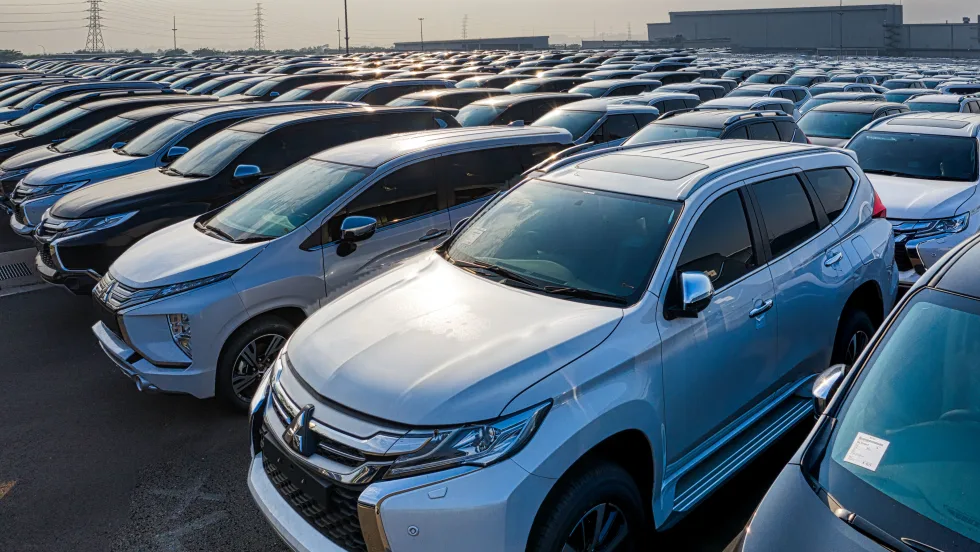
War Toll a Damper on Used Auto Prices
Cox Automotive found wholesale depreciation to be elevated in September amid high fuel prices and this year's unusual hurricane season.
Read More →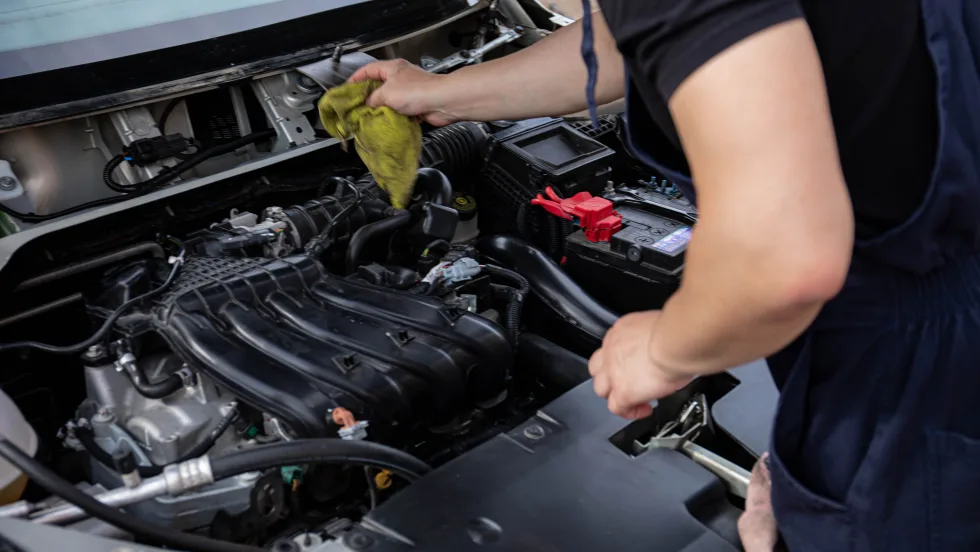
Bridge the Maintenance Gap
With many drivers missing recommended maintenance, service departments offering transparency and efficiency have a better chance of reaching financially strained consumers.
Read More →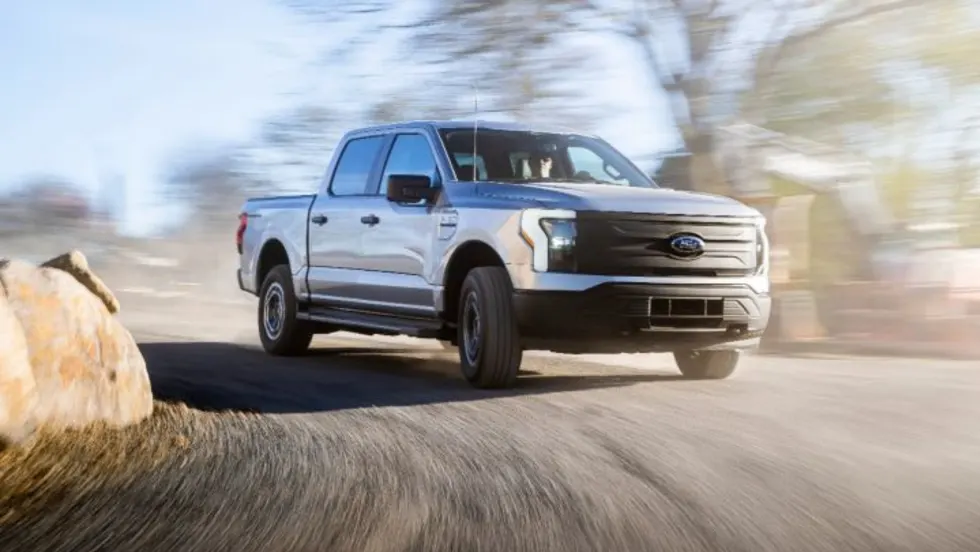
California Store Has New Owner
The longtime dealership in the northern part of the state is known for robust fleet sales and has served the state capital for 115 years.
Read More →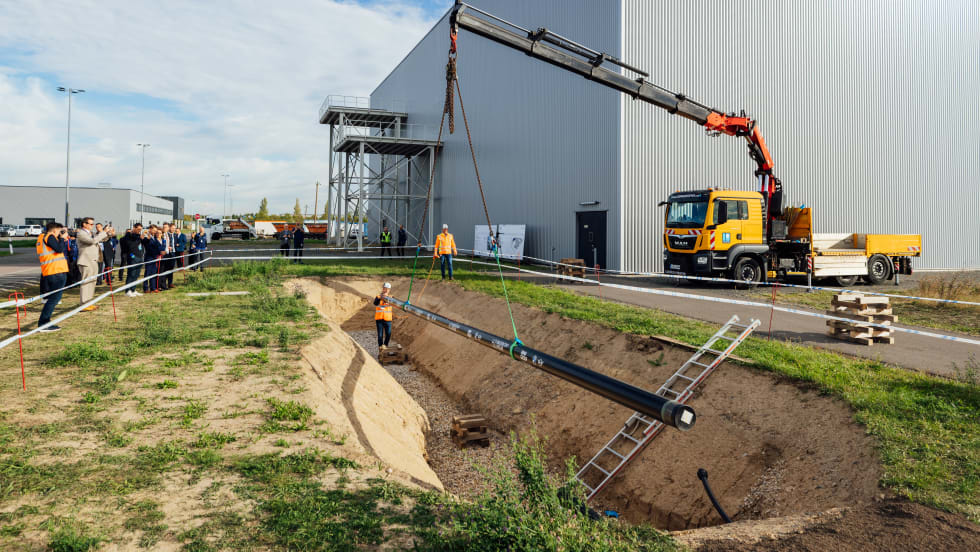
BMW Plant Pursues Cleaner Energy
BMW Group Plant Leipzig has utilized hydrogen to help power its production since 2013, but a new pipeline is planned to take it to another level.
Read More →
Auto Affordability Inches Up
The latest Cox Automotive and Moody’s Analytics index shows a slight increase in new-vehicle affordability despite high prices.
Read More →
Ohio Auto Group Under New Ownership
After 79 years with the Schluter family, Mansfield Auto Group has been acquired by Missouri-based Clement Auto Group.
Read More →
RV Group Expands Carolina Footprint
Blue Compass RV Columbia Northeast is the 13th RV dealership owned by Blue Compass in the Carolinas.
Read More →
Agent Acumen
An Agent Summit panel of people who’ve been supporting auto dealers for years gave both timely and timeless advice for those starting out or mulling the prospect.
Read More →
Missed Maintenance Creates Opportunity
As families get back on the road and into daily school routines, service drives have an opportunity to capture customers who are behind on recommended vehicle maintenance.
Read More →