



For Now, Auto Industry Unsure What Health Care Bill Means

WASHINGTON - The auto industry, which was largely noncommittal during the yearlong debate about changes to the national health care system, remains uncertain about the effects of the new health care legislation on the industry, reported Automotive News. General Motors Co., American Honda Motor Co. and the National Automobile Dealers Association are reviewing the new health care bill that passed the House last night to determine what it means to automakers, suppliers and dealers. "Throughout ongoing policy talks, GM will continue to work constructively to ensure its long-standing priorities of improved health care quality and cost containment are included in the bill's implementation," GM spokesman Greg Martin said today. Honda's chief Washington lobbyist, Edward B. Cohen, said he is awaiting Senate action. "There are a couple of issues that we are not sure how they will look after the Senate acts on the House bill," he said today. Said Ed Tonkin, this year's chairman of NADA: "Nobody knows exactly what's in the bill that was voted on. I know it's going to be expensive." NADA has been monitoring the legislation through coalitions in which it is involved, such as the U.S. Chamber of Commerce, Tonkin said.
More Industry

Auto Affordability Inches Up
The latest Cox Automotive and Moody’s Analytics index shows a slight increase in new-vehicle affordability despite high prices.
Read More →
Ohio Auto Group Under New Ownership
After 79 years with the Schluter family, Mansfield Auto Group has been acquired by Missouri-based Clement Auto Group.
Read More →
RV Group Expands Carolina Footprint
Blue Compass RV Columbia Northeast is the 13th RV dealership owned by Blue Compass in the Carolinas.
Read More →
Agent Acumen
An Agent Summit panel of people who’ve been supporting auto dealers for years gave both timely and timeless advice for those starting out or mulling the prospect.
Read More →
Missed Maintenance Creates Opportunity
As families get back on the road and into daily school routines, service drives have an opportunity to capture customers who are behind on recommended vehicle maintenance.
Read More →
Mitsubishi Unveils U.S. Plan
The automaker announced a strategy that includes an expanded lineup and dealership presence, along with more ‘rugged’ and electric models.
Read More →
Selling to Grow
The question of whether you should sell your agency and if so, when, is up to you. But it’s a question worth asking to ensure you keep the business on the right path for yourself, employees and clients.
Read More →
Recalled Vehicles Hit 5-Year High
Though the number of events has fallen so far this year, impacted units are up significantly. Meanwhile, regulators consider consumer notification changes.
Read More →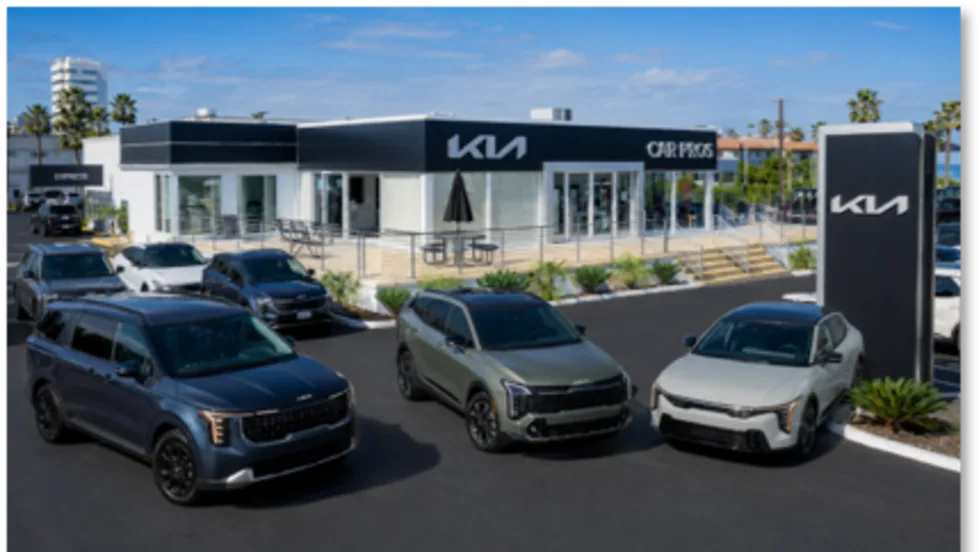
Auto Group Acquires Top-Performing Rooftop
Car Pros sold its Kia Huntington Beach location to Sutherlin Automotive Group, marking the buyer’s third location in Southern California.
Read More →
China as Pacesetter
Automotive leaders huddled on where North America stands in the global picture and how it can strengthen its position against the Asian juggernaut’s surging industry.
Read More →