



Fisker to Cut Three-Fourths of its Workforce

Detroit (AP) - Troubled electric car maker Fisker Automotive Inc. has laid off about three-fourths of the workers at its California headquarters as it struggles with financial and production problems.
The Anaheim, Calif.-based company confirmed the layoffs in a statement on Friday, saying it is pursuing "strategic alternatives" to get through financial challenges, but it reached a point where the layoffs are necessary.
"The company regrets having to terminate any of its hard-working and talented people. But this was a necessary strategic step in our efforts to maximize the value of Fisker's core assets," the statement said.
Fisker, which makes the $100,000 Karma plug-in hybrid sports car, hasn't produced any cars since last year after its battery supplier filed for bankruptcy protection. The company has struggled to attract investment and was shopping around for a buyer or company to join it in an alliance. Last month, its co-founder resigned and Fisker furloughed its staff of about 220 for one week. The company at one time had about 600 workers.
The statement said Fisker met with workers on Friday to tell them this would be their last day with the company. Core workers who will be kept were told on Thursday, the statement said.
Fisker's statement said it plans to keep about one quarter of its workforce, but it gave no numbers. One-fourth of the work force would be about 55 people, with 165 laid off.
Fisker said it has sold about 1,800 Karmas, but production was halted last year when battery producer A123 Systems Inc. went into bankruptcy protection. The Karma is Fisker's only model, but it was developing a lower-cost car - the Atlantic coupe - which would sell for around $55,000.
Co-founder Henrik Fisker left the company last month in a disagreement over business strategy. Henrik Fisker didn't give further details on the resignation. The company said last month in a statement that his departure wouldn't affect the pursuit of strategic partners and additional financing.
But Friday's layoffs cast doubt on Fisker's ability to repay a loan from the U.S. Department of Energy that was made to help the automaker get started. In 2011, the Energy Department suspended the $529 million loan after introduction of the Karma was delayed due to trouble with battery packs. Fisker got $193 million from the government before the payments were stopped in May of 2011.
Last year, Fisker brought in Tony Posawatz, a former General Motors electric car chief, as CEO. He has favored alliances or a sale of the company. There have been reports that some Chinese automakers are interested. A message was left for Posawatz on Friday.
Fisker's troubles show just how difficult and costly it is to start a car company and introduce a new technology. Gas-electric powertrains allow the Karma to go 30 to 40 miles on battery power before a backup engine kicks in. The engine eliminates anxiety over running out of electricity.
The company was started in 2007 by Henrik Fisker and a business partner. It has raised more than $1.2 billion from private investors - including actor Leonardo DiCaprio. However, production was suspended last fall after battery supplier A123 Systems Inc. went into bankruptcy protection. The company was negotiating a battery contract with A123's new owners.
Fisker has had other stumbles. Consumer Reports magazine last year gave the Karma a failing grade, citing numerous dashboard glitches and a battery that failed while the car was being tested.
Posawatz said Fisker was overly ambitious and tried to bring the Karma to market too quickly.
Last fall, in an appearance in Detroit, Posawatz declined to say which companies Fisker is negotiating with as potential buyers or partners. But he said the company's hybrid system is very valuable to other companies. Fisker uses an engine from General Motors in the Karma and plans to use a BMW engine in the Atlantic.
More Industry

Penske Auto Group Deal a Record
The deal to take the dealership and transportation services company private sets a new pace for industry buy-sell transactions.
Read More →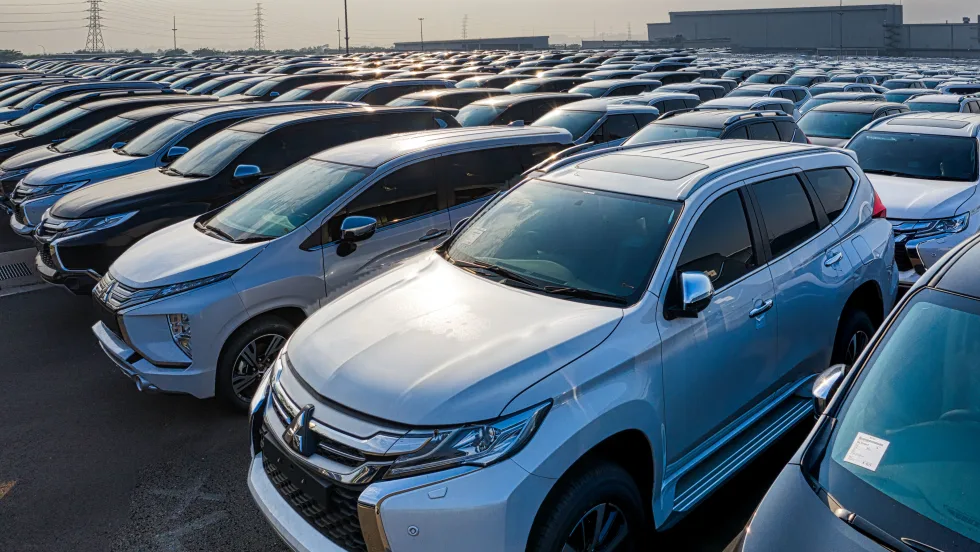
War Toll a Damper on Used Auto Prices
Cox Automotive found wholesale depreciation to be elevated in September amid high fuel prices and this year's unusual hurricane season.
Read More →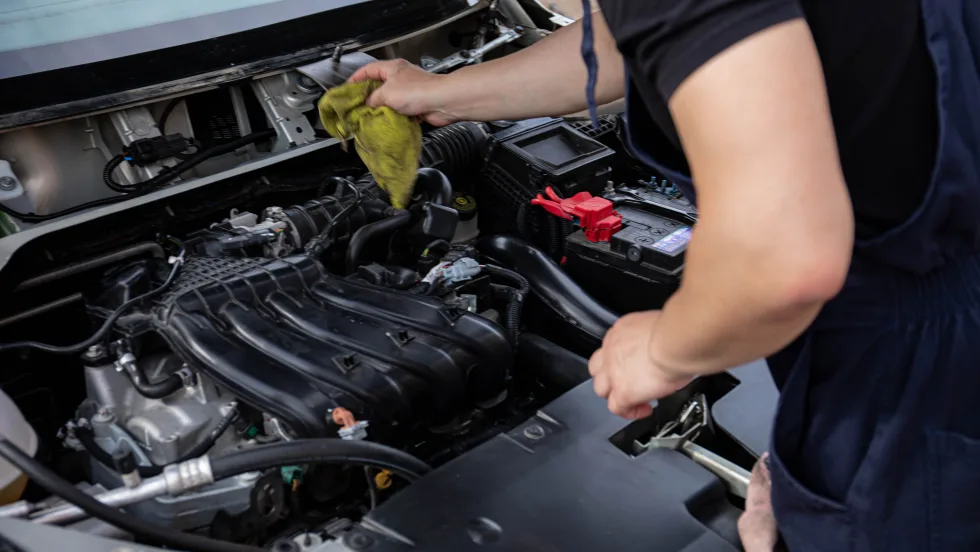
Bridge the Maintenance Gap
With many drivers missing recommended maintenance, service departments offering transparency and efficiency have a better chance of reaching financially strained consumers.
Read More →
California Store Has New Owner
The longtime dealership in the northern part of the state is known for robust fleet sales and has served the state capital for 115 years.
Read More →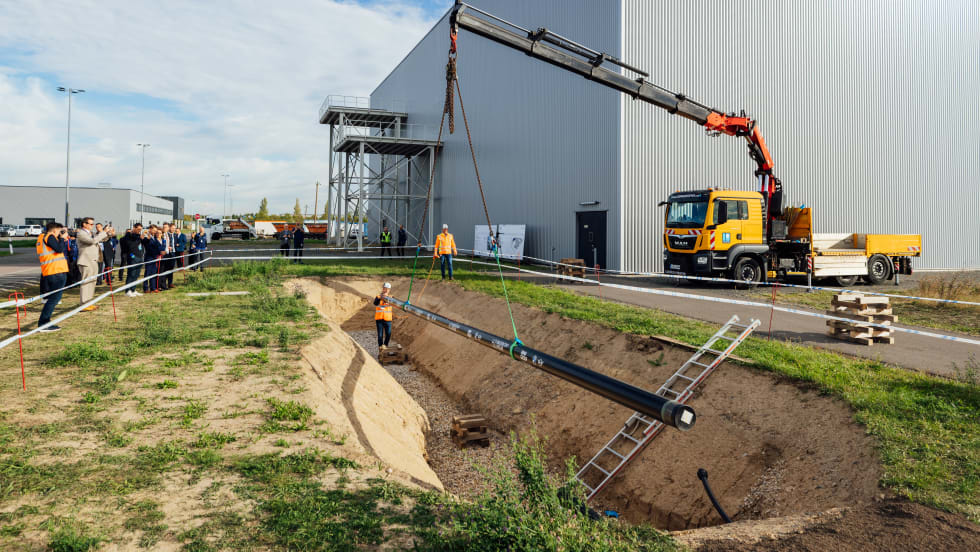
BMW Plant Pursues Cleaner Energy
BMW Group Plant Leipzig has utilized hydrogen to help power its production since 2013, but a new pipeline is planned to take it to another level.
Read More →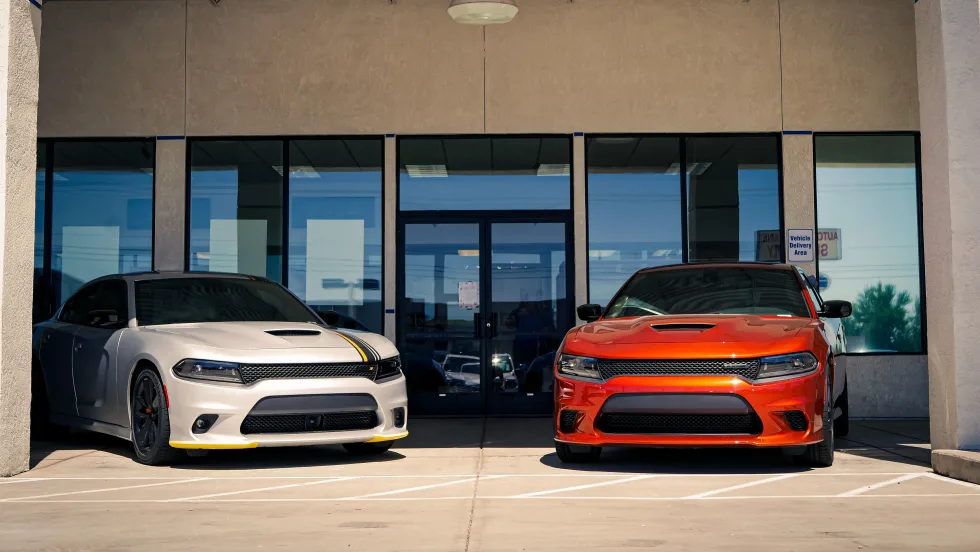
Auto Affordability Inches Up
The latest Cox Automotive and Moody’s Analytics index shows a slight increase in new-vehicle affordability despite high prices.
Read More →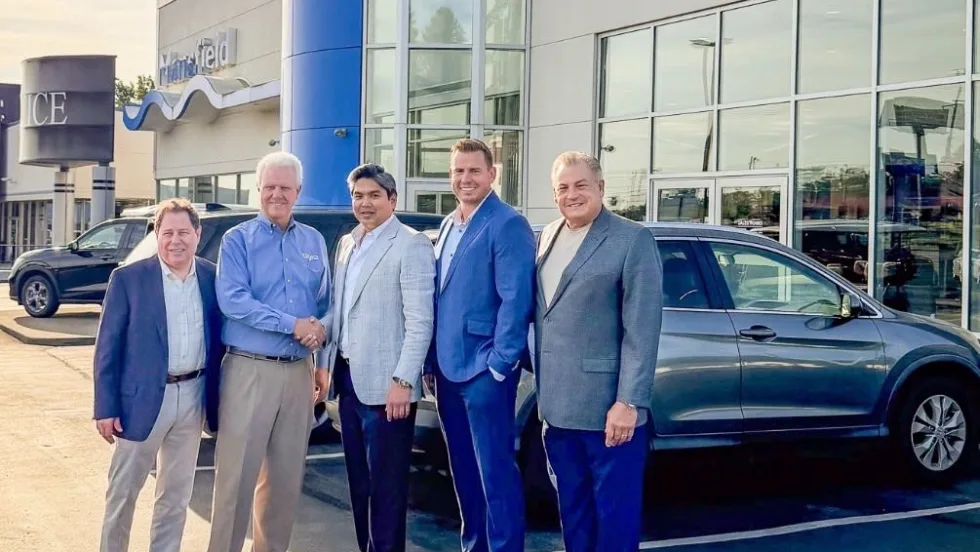
Ohio Auto Group Under New Ownership
After 79 years with the Schluter family, Mansfield Auto Group has been acquired by Missouri-based Clement Auto Group.
Read More →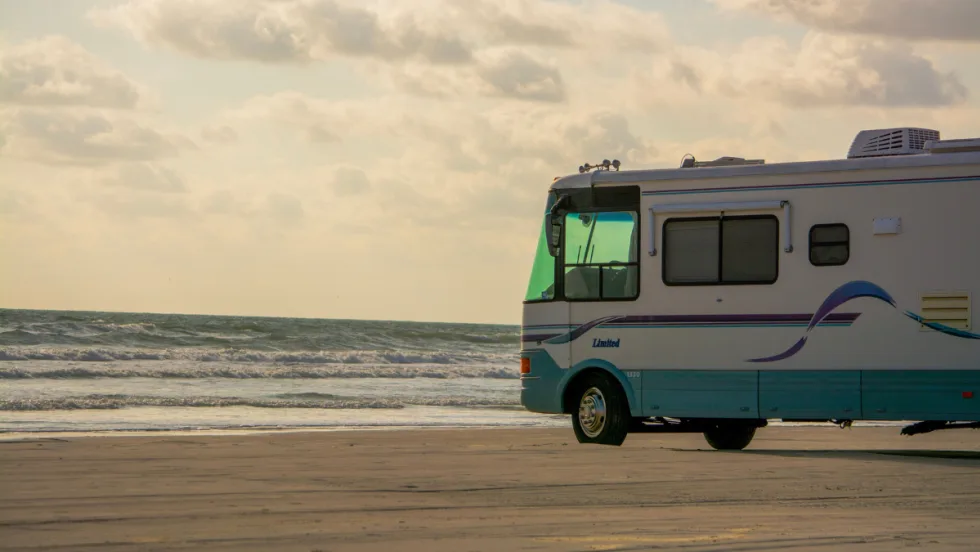
RV Group Expands Carolina Footprint
Blue Compass RV Columbia Northeast is the 13th RV dealership owned by Blue Compass in the Carolinas.
Read More →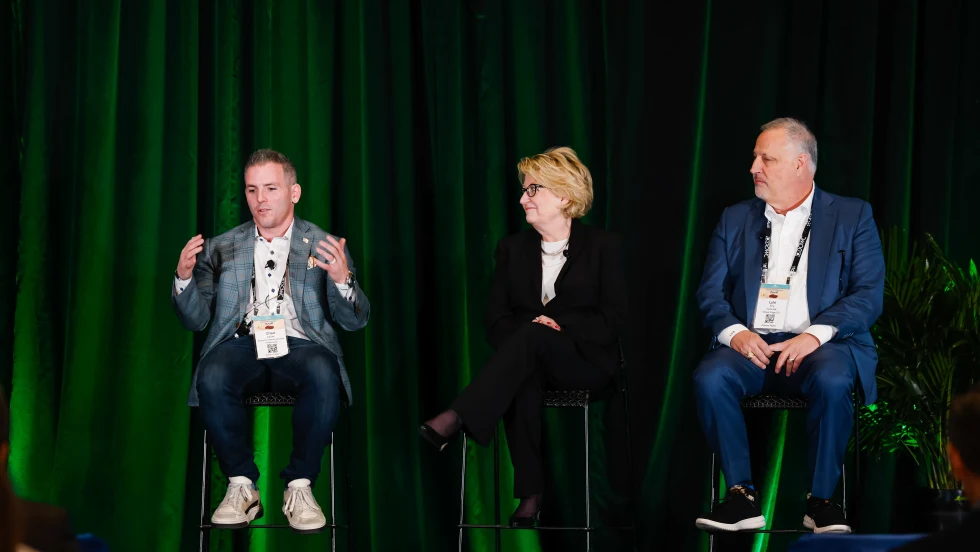
Agent Acumen
An Agent Summit panel of people who’ve been supporting auto dealers for years gave both timely and timeless advice for those starting out or mulling the prospect.
Read More →
Missed Maintenance Creates Opportunity
As families get back on the road and into daily school routines, service drives have an opportunity to capture customers who are behind on recommended vehicle maintenance.
Read More →