



Federal Panel: GMAC Bailout Will Cost Taxpayers $6.3B

Washington -- Taxpayers likely will lose $6.3 billion or more on the bailout of GMAC Inc., a federal watchdog panel said in a report released Thursday. The Congressional Oversight Panel, which oversees the $700 billion Wall Street and auto bailouts, sharply criticized the government's $17.2 billion GMAC rescue, saying it "missed opportunities to increase accountability and better protect taxpayers' money," The Detroit News reported. The Treasury Department should consider recombining GMAC with its former parent, General Motors Co., the panel said. That step "would restore GM's financing operations to the model generally shared by other automotive manufacturers." Treasury said a merger between GMAC and GM would be up to the companies' boards, not the government."We would not initiate or take a position other than one supported by our board designees," spokeswoman Meg Reilly said. The government owns 56 percent of GMAC after three separate bailouts since December 2008. The oversight panel said bankruptcy was a viable option for the finance company. "In connection with the Chrysler and GM bankruptcies, Treasury might have been able to orchestrate a strategic bankruptcy for GMAC," it said. The panel said the bailout "reinforced GMAC's dominance" in dealer financing, and may have prevented the growth of more competition in lending. Unlike GM and Chrysler's bankruptcies, the panel said, the government bailout of GMAC did not require GMAC to present a viable plan for restoring profits, or offer a detailed explanation of how tax dollars would be used increase consumer lending. GMAC spokeswoman Gina Proia said the company is "focused on the future," and will continue "to provide the highest level of service to auto dealers and consumers," to restore high profits to GMAC and repay the government in full. GMAC, which lost $10.4 billion last year, is critical to the success of GM and Chrysler because it provides the bulk of financing for the automaker's dealers and consumers who buy their cars.
More Industry

Penske Auto Group Deal a Record
The deal to take the dealership and transportation services company private sets a new pace for industry buy-sell transactions.
Read More →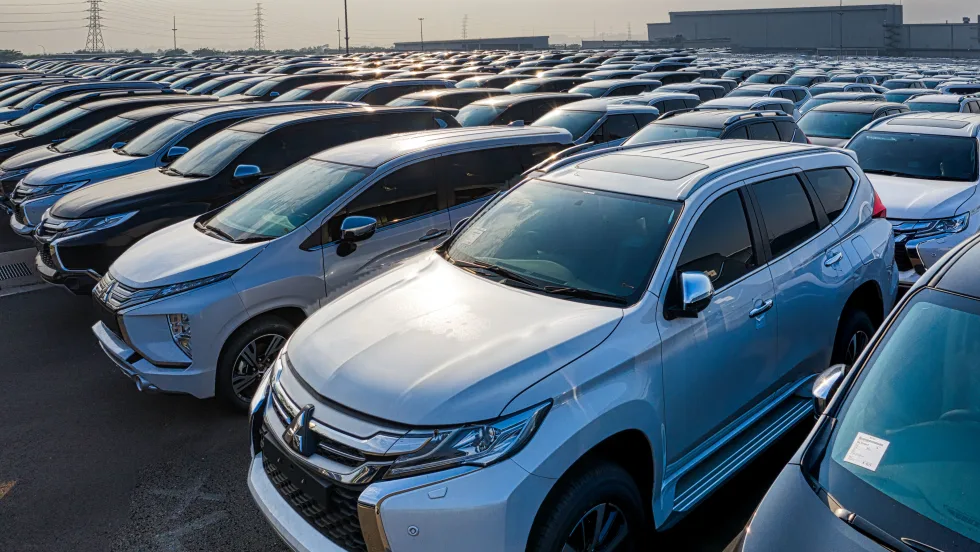
War Toll a Damper on Used Auto Prices
Cox Automotive found wholesale depreciation to be elevated in September amid high fuel prices and this year's unusual hurricane season.
Read More →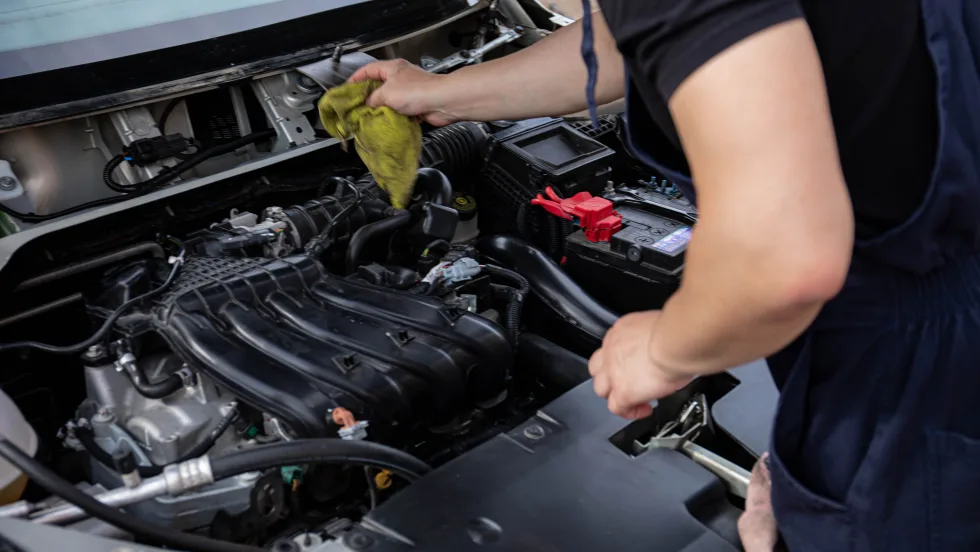
Bridge the Maintenance Gap
With many drivers missing recommended maintenance, service departments offering transparency and efficiency have a better chance of reaching financially strained consumers.
Read More →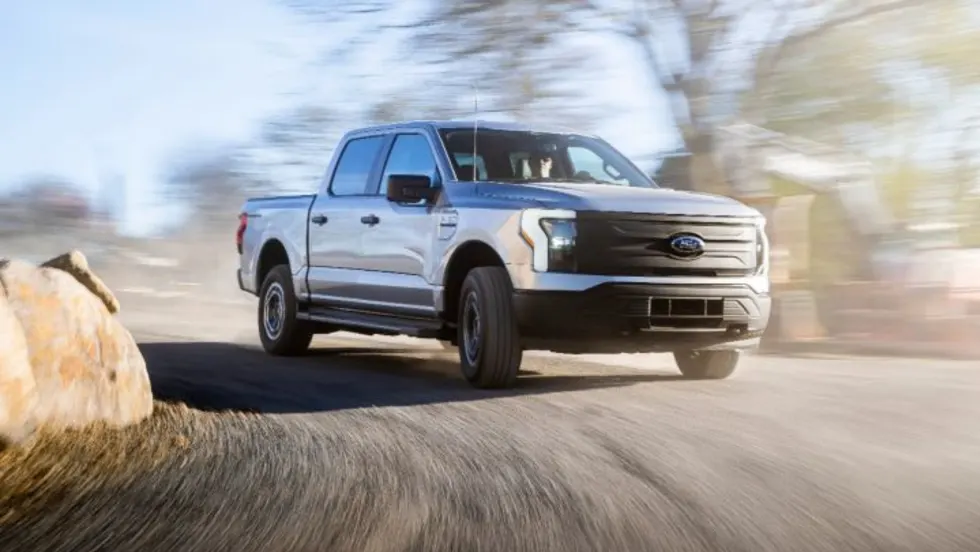
California Store Has New Owner
The longtime dealership in the northern part of the state is known for robust fleet sales and has served the state capital for 115 years.
Read More →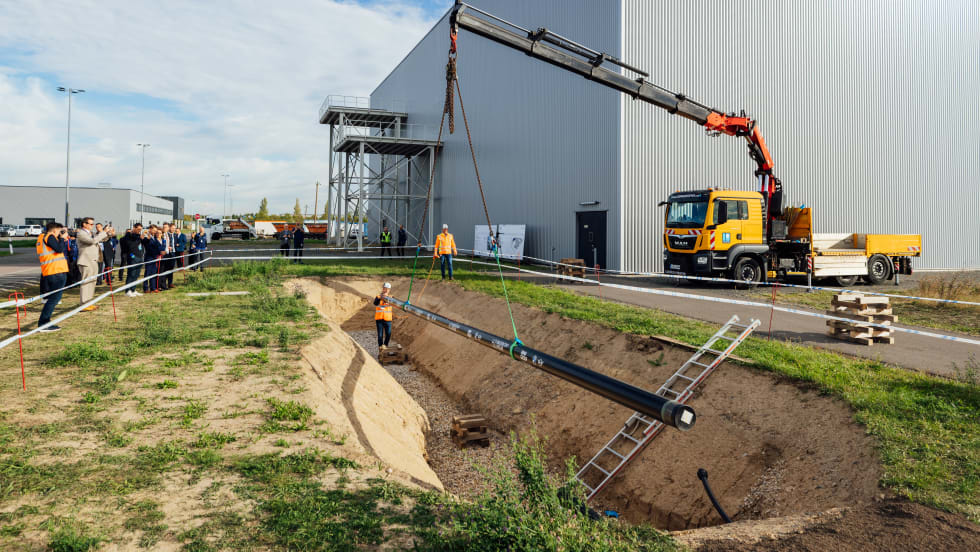
BMW Plant Pursues Cleaner Energy
BMW Group Plant Leipzig has utilized hydrogen to help power its production since 2013, but a new pipeline is planned to take it to another level.
Read More →
Auto Affordability Inches Up
The latest Cox Automotive and Moody’s Analytics index shows a slight increase in new-vehicle affordability despite high prices.
Read More →
Ohio Auto Group Under New Ownership
After 79 years with the Schluter family, Mansfield Auto Group has been acquired by Missouri-based Clement Auto Group.
Read More →
RV Group Expands Carolina Footprint
Blue Compass RV Columbia Northeast is the 13th RV dealership owned by Blue Compass in the Carolinas.
Read More →
Agent Acumen
An Agent Summit panel of people who’ve been supporting auto dealers for years gave both timely and timeless advice for those starting out or mulling the prospect.
Read More →
Missed Maintenance Creates Opportunity
As families get back on the road and into daily school routines, service drives have an opportunity to capture customers who are behind on recommended vehicle maintenance.
Read More →