



Federal Agencies to Coordinate Regulatory Efforts

WASHINGTON — Five federal agencies signed a Memorandum of Understanding that clarified how they coordinate their supervisor activities under the Dodd-Frank Wall Street Reform and Consumer Protection Act.
The move was expected, as the Dodd-Frank Act requires that the Consumer Financial Protection Bureau (CFPB) and the other regulators – the Board of Governors of the Federal Reserve System, the Federal Deposit Insurance Corporation, the National Credit Union Administration, and the Office of the Comptroller of the Currency – coordinate important aspects of their supervision of insured depository institutions with more than $10 billion in assets and their affiliates. Such coordination includes scheduling examinations, conducting simultaneous examinations of covered depository institutions unless an institution requests separate examinations and sharing draft reports of examination for comment, according to F&I and Showroom magazine.
The MOU is intended to establish arrangements for coordination and cooperation between the CFPB and the prudential regulators, minimize unnecessary regulatory burden, avoid unnecessary duplication of effort, and decrease the risk of conflicting supervisory directives.
Under the MOU, the agencies will coordinate examinations and other supervisory activities and share certain material supervisory information concerning: Compliance with federal consumer financial laws and certain other federal laws that regulate consumer financial products and services; consumer compliance risk management programs; activities related to consumer financial products or services; and other related matters that the agencies may mutually agree upon.
These coordination undertakings should lead to greater uniformity and efficiencies in supervision and help to minimize regulatory burden on covered depository institutions.
More Industry

RV Group Expands Carolina Footprint
Blue Compass RV Columbia Northeast is the 13th RV dealership owned by Blue Compass in the Carolinas.
Read More →
Agent Acumen
An Agent Summit panel of people who’ve been supporting auto dealers for years gave both timely and timeless advice for those starting out or mulling the prospect.
Read More →
Missed Maintenance Creates Opportunity
As families get back on the road and into daily school routines, service drives have an opportunity to capture customers who are behind on recommended vehicle maintenance.
Read More →
Mitsubishi Unveils U.S. Plan
The automaker announced a strategy that includes an expanded lineup and dealership presence, along with more ‘rugged’ and electric models.
Read More →
Selling to Grow
The question of whether you should sell your agency and if so, when, is up to you. But it’s a question worth asking to ensure you keep the business on the right path for yourself, employees and clients.
Read More →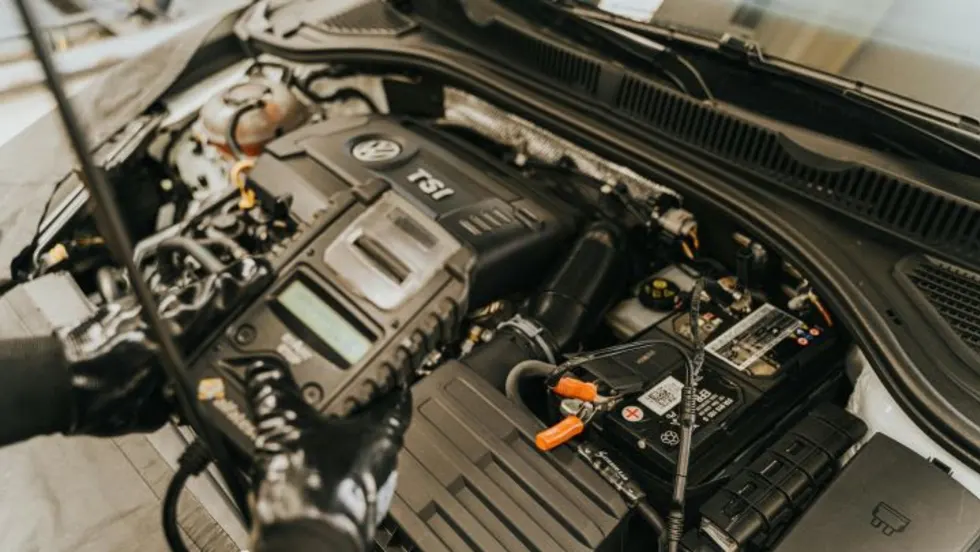
Recalled Vehicles Hit 5-Year High
Though the number of events has fallen so far this year, impacted units are up significantly. Meanwhile, regulators consider consumer notification changes.
Read More →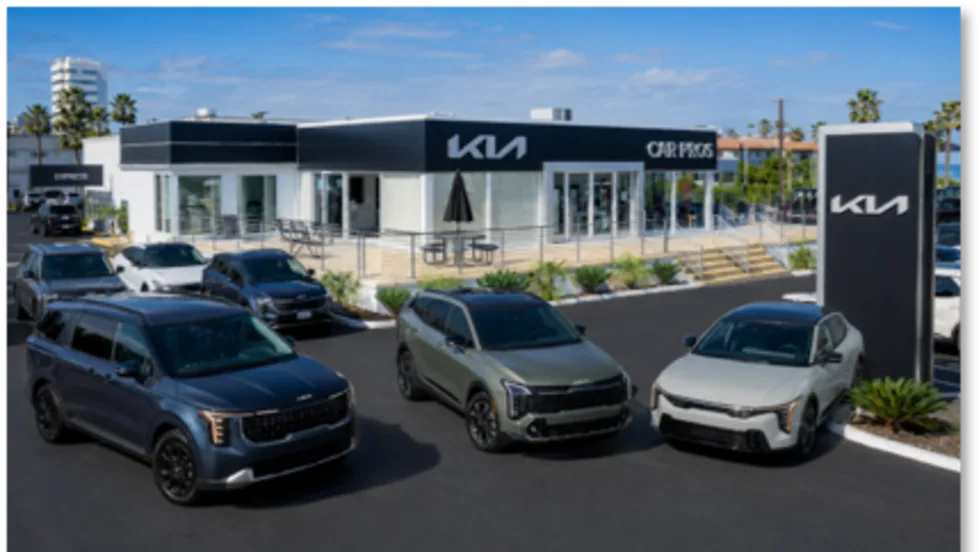
Auto Group Acquires Top-Performing Rooftop
Car Pros sold its Kia Huntington Beach location to Sutherlin Automotive Group, marking the buyer’s third location in Southern California.
Read More →
China as Pacesetter
Automotive leaders huddled on where North America stands in the global picture and how it can strengthen its position against the Asian juggernaut’s surging industry.
Read More →
BMW Concept Car Makes Fuel to Burn
The prototype developed in concert with a South Carolina university engineering team generates more solar energy than it uses in a typical daily commute.
Read More →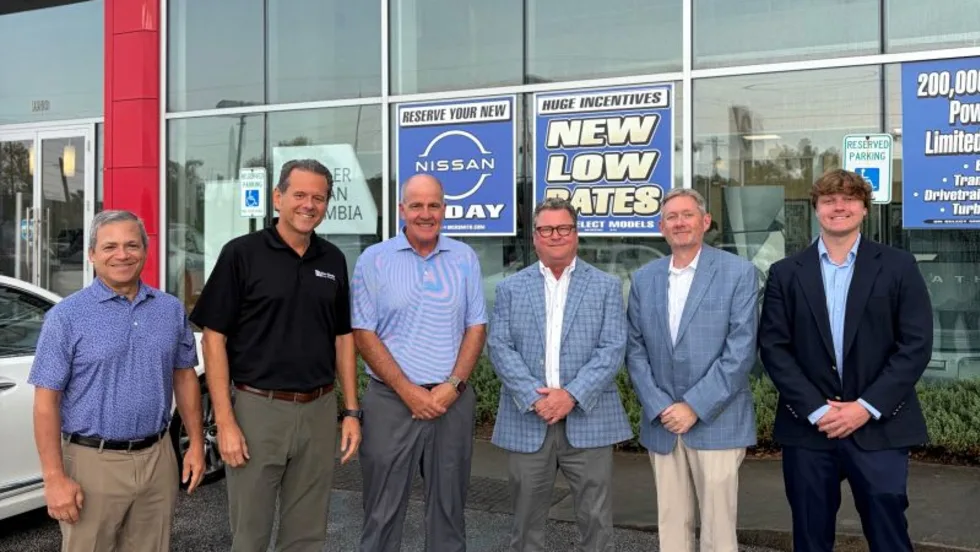
South Carolina Auto Group Downsizes
Florida-based group Holler-Classic has acquired four rooftops, its first in South Carolina, from Dick Smith Automotive Group.
Read More →