



Experian Automotive: 60-Day Delinquencies on the Rise

Schaumburg, Ill. — Sixty-day auto loan delinquencies rose for the first time since 2009, but the overall lending market is healthy, according to an industry-wide analysis by Experian Automotive.
Experian found that 60-day delinquencies rose from 0.72 percent in the fourth quarter 2011 to 0.74 percent in the end-of-year quarter last year. Thirty-day delinquencies showed a slight decline, dropping from 2.79 percent to 2.72 percent in the same period. It was the first time since the fourth quarter 2099 that either 30- or 60-day loan delinquencies experienced a year-over-year rise.
“You never want to see an increase in delinquencies, but when you take a step back and look at the market compared to where it was three years ago, we still have remarkable stability,” said Melinda Zabritski, director of automotive credit for Experian Automotive.
Banks, captives and credit unions all realized slight drops in 30-day delinquencies. Finance companies, typically lenders for credit-challenged customers, saw their 30-day delinquencies rise from 5.35 percent in the fourth quarter 2011 to 5.61 percent in 2012’s end-of-year quarter.
The total balance of 60-day delinquent loans grew from $3.48 billion in the fourth quarter 2011 to $3.93 billion in the fourth quarter 2012. However, from the standpoint of growth as a percentage of the total market, 60-day delinquent loans grew from 0.53 percent in the fourth quarter 2011 to 0.55 percent in the fourth quarter 2012.
Overall, the lending market remains stable compared to 2009’s end-of-year quarter. Sixty-day delinquencies were down in comparison from 0.94 to 0.74 in the fourth quarter 2012, while 30-day delinquencies were down from 3.30 to 2.72 percent.
The analysis also found that quarterly repossession rates fell 27.6 percent, dropping from 0.63 percent in the fourth quarter 2011 to 0.46 percent in the fourth quarter 2012. Quarterly repossession rates for banks, credit unions, captives and finance companies all fell as well, with finance companies showing the sharpest decline (34.7 percent), dropping 2.47 percent to 1.61 percent in the fourth quarter 2012 vs. the year-ago period.
Additionally, overall charge-off amounts rose from $6,815 in the fourth quarter 2011 to $7,277 in the fourth-quarter 2012, but still remain below prerecession levels ($8,660 in Q4 2007).
More Industry
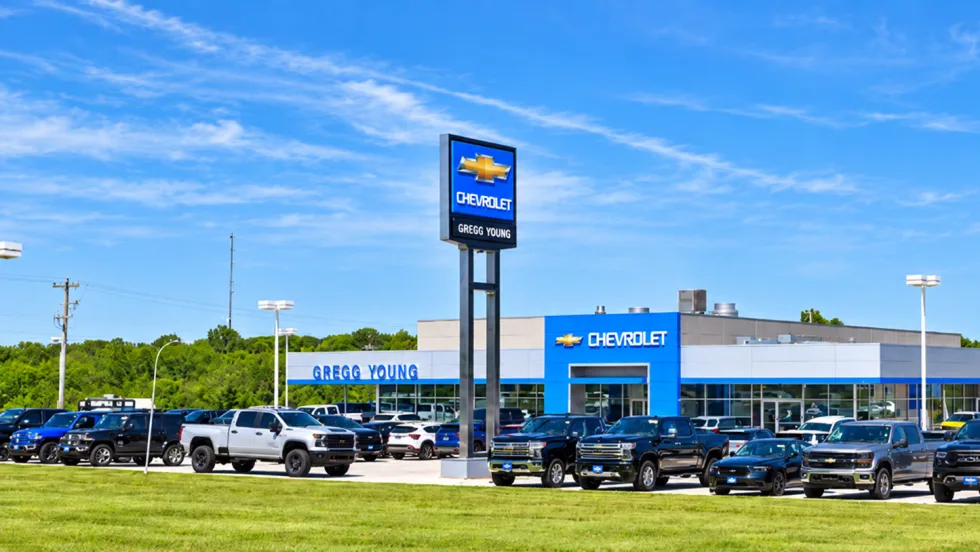
Nebraska Rooftop Changes Hands
The Gregg Young Automotive Group has sold its second dealership to Janssen Auto Group, both in Plattsmouth, Neb.
Read More →
Penske Auto Group Deal a Record
The deal to take the dealership and transportation services company private sets a new pace for industry buy-sell transactions.
Read More →
War Toll a Damper on Used Auto Prices
Cox Automotive found wholesale depreciation to be elevated in September amid high fuel prices and this year's unusual hurricane season.
Read More →
Bridge the Maintenance Gap
With many drivers missing recommended maintenance, service departments offering transparency and efficiency have a better chance of reaching financially strained consumers.
Read More →
California Store Has New Owner
The longtime dealership in the northern part of the state is known for robust fleet sales and has served the state capital for 115 years.
Read More →
BMW Plant Pursues Cleaner Energy
BMW Group Plant Leipzig has utilized hydrogen to help power its production since 2013, but a new pipeline is planned to take it to another level.
Read More →
Auto Affordability Inches Up
The latest Cox Automotive and Moody’s Analytics index shows a slight increase in new-vehicle affordability despite high prices.
Read More →
Ohio Auto Group Under New Ownership
After 79 years with the Schluter family, Mansfield Auto Group has been acquired by Missouri-based Clement Auto Group.
Read More →
RV Group Expands Carolina Footprint
Blue Compass RV Columbia Northeast is the 13th RV dealership owned by Blue Compass in the Carolinas.
Read More →
Agent Acumen
An Agent Summit panel of people who’ve been supporting auto dealers for years gave both timely and timeless advice for those starting out or mulling the prospect.
Read More →