



EV Tax Credit Rules to Tighten
Restrictions taking effect next month will eliminate some models from eligibility due to battery material sourcing outside the new parameters.

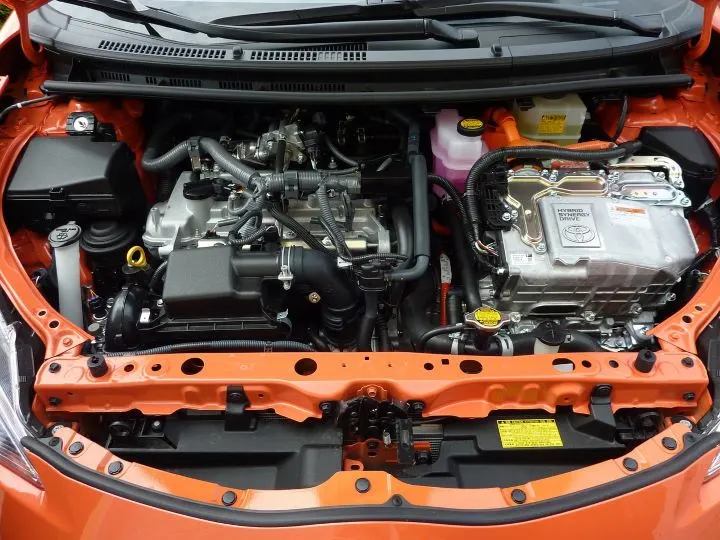
Once new battery-sourcing rules take effect next month, some previously eligible EV models will no longer comply.
IMAGE: Pixabay/Photoman
Federal tax credits for new electric-vehicle purchases will soon tighten, eliminating many models from eligibility.
Starting April 18, the credits will shrink or be eliminated for some models.
Treasury Department guidance introduced on Friday lays out specific requirements for vehicles to be eligible for up to $7,500 in tax credits that have already spurred consumers to buy electric.
The credits were authorized in the Inflation Reduction Act passed last year and are aimed at greater EV adoption in an effort to reduce environmentally harmful emissions.
Tightening the rules around qualification for the credits is intended to steer carmakers away from EV battery supply chains in China, which has a significant share of the market for minerals needed for the batteries’ manufacture.
Under the act’s foundational requirements already in place, EVs must undergo final assembly in North America, and be under certain price levels per vehicle category, while buyers’ income is capped for tax credit eligibility.
Now battery material sourcing limits will be added next month, essentially determining which EV models qualify for the credits based on where their materials were sourced.
Depending on the material, the new restrictions get tighter each year. By 2027, 80% of “critical” minerals in EVs batteries must be sourced, processed or recycled in the U.S. or in a free-trade partner of the U.S. And by 2028, 90% of the value of a battery’s components must be made or assembled in North America.
Until now, credit eligibility has been determined using the requirements not involving battery components. Meanwhile, the Treasury Department was hammering out the parameters of the latter. So once those take effect next month, some previously eligible EV models will no longer comply.
Originally posted on Auto Dealer Today
More Industry
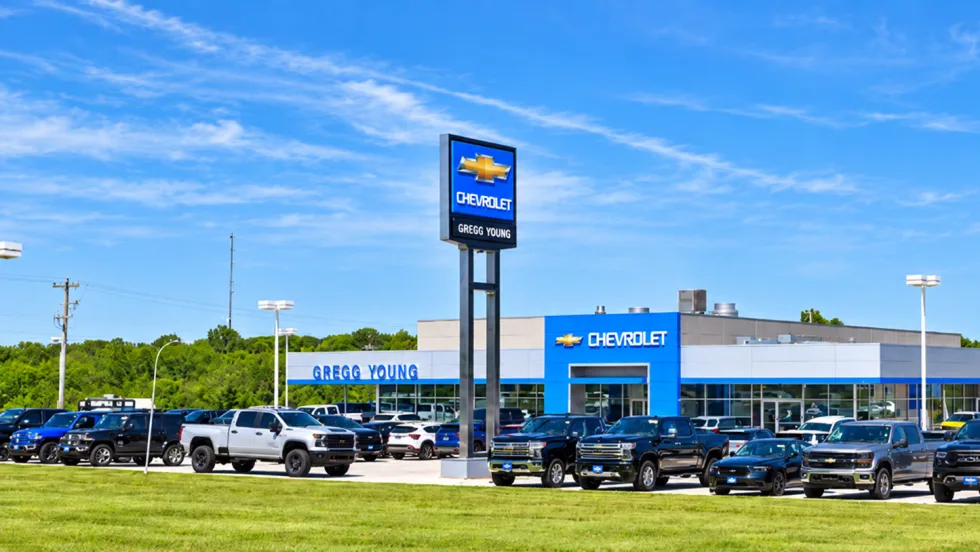
Nebraska Rooftop Changes Hands
The Gregg Young Automotive Group has sold its second dealership to Janssen Auto Group, both in Plattsmouth, Neb.
Read More →
Penske Auto Group Deal a Record
The deal to take the dealership and transportation services company private sets a new pace for industry buy-sell transactions.
Read More →
War Toll a Damper on Used Auto Prices
Cox Automotive found wholesale depreciation to be elevated in September amid high fuel prices and this year's unusual hurricane season.
Read More →
Bridge the Maintenance Gap
With many drivers missing recommended maintenance, service departments offering transparency and efficiency have a better chance of reaching financially strained consumers.
Read More →
California Store Has New Owner
The longtime dealership in the northern part of the state is known for robust fleet sales and has served the state capital for 115 years.
Read More →
BMW Plant Pursues Cleaner Energy
BMW Group Plant Leipzig has utilized hydrogen to help power its production since 2013, but a new pipeline is planned to take it to another level.
Read More →
Auto Affordability Inches Up
The latest Cox Automotive and Moody’s Analytics index shows a slight increase in new-vehicle affordability despite high prices.
Read More →
Ohio Auto Group Under New Ownership
After 79 years with the Schluter family, Mansfield Auto Group has been acquired by Missouri-based Clement Auto Group.
Read More →
RV Group Expands Carolina Footprint
Blue Compass RV Columbia Northeast is the 13th RV dealership owned by Blue Compass in the Carolinas.
Read More →
Agent Acumen
An Agent Summit panel of people who’ve been supporting auto dealers for years gave both timely and timeless advice for those starting out or mulling the prospect.
Read More →