



EV Market Continued to Evolve in Q2
Most EV buyers still holding onto gas-powered models, and most purchased EVs are in the luxury segment.

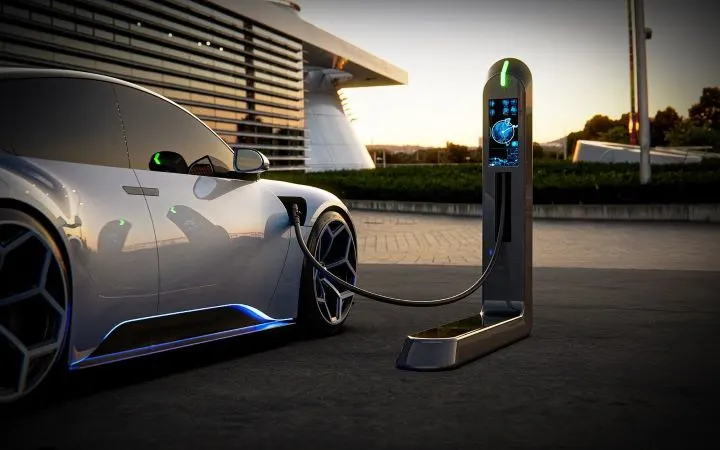
The ownership cost disparity between luxury and mass-market EVs and gas-powered models can be stark, according to a J.D. Power report.
IMAGE: Pixabay/LeeRosario
Two reports shed new light on the evolving electric-vehicle market, one pointing up the relative affordability versus gas-powered models between the premium and mass-market corners of the industry.
A second-quarter Experian report shows that EV adoption is growing, EV models making up 7.5% of U.S. new vehicle registrations, up from 5.7% year-over-year to 2.7 million.
But consumers who take the EV plunge still aren’t all-in. The report shows they tend to keep a gas-powered model in their back pockets, er, their garages, that is. It says a whopping 85% of EV buyers have both, likely due to limited charging infrastructure in many areas.
“As the infrastructure continues to develop, understanding consumers’ needs will enable automotive professionals to better assist them when finding something that fits their lifestyle,” said Kirsten Von Busch, Experian director of product marketing for automotive.
Affordability is another concern when it comes to switching from gas-powered vehicles. Tesla still dominates the EV market, with four of the five leading luxury EV models – and in fact, luxury models in general made up 77% of the U.S. EV market.
The ownership cost disparity between EV and gas-powered models can be stark and is likely hampering adoption. A new J.D. Power report shows that the average U.S. premium vehicle consumer pays 0.4% more for an EV than a comparable gas-powered model while the average mass-market buyer pays 18% more for an EV. It points out that the gap is significant when it comes EV adoption, which can be achieved only if automakers tap deeper into the mass market.
When cost of ownership over time is taken into consideration, the gap appears starker pocketbook-wise. Over five years, J.D. Power says premium compact EV sports-utility vehicle owners on average pay just $287 more than they would for a comparable gas-powered model, or a total of nearly $72,000. For a mass-market compact EV SUV, the difference is more than $9,000, or $60,736 total.
The gaps widen further when one compares the most affordable EVs in the two market segments and when leasing an EV, J.D. Power says.
A sign that the cost imbalance may be turning is the coming debut of the Chevrolet Equinox compact electric SUV, which J.D. Power says should be more comparable to a similar gas-powered model. It says the Equinox will reportedly have a $40,000 starting price and a later base-trim price of $30,000, making it in line with gas-powered compact SUVs.
Originally posted on Auto Dealer Today
More Industry
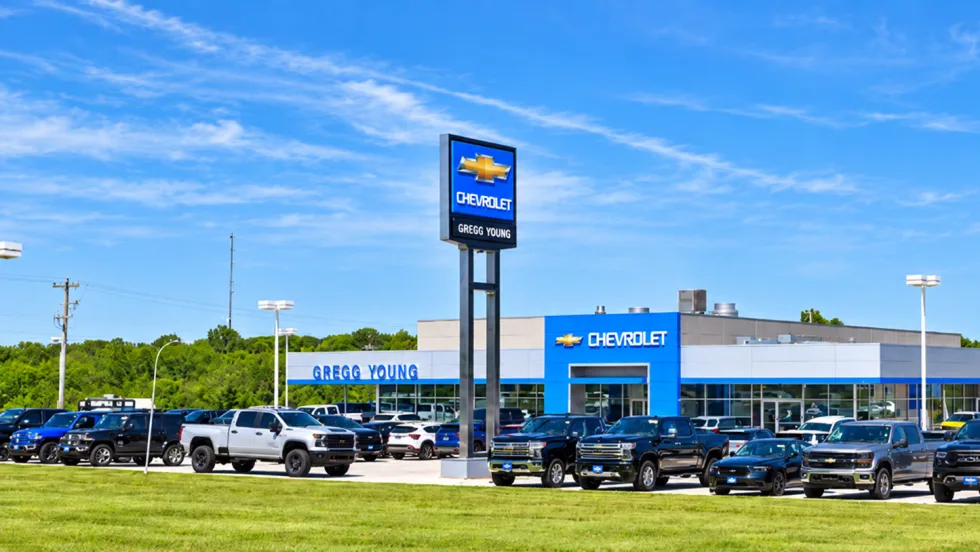
Nebraska Rooftop Changes Hands
The Gregg Young Automotive Group has sold its second dealership to Janssen Auto Group, both in Plattsmouth, Neb.
Read More →
Penske Auto Group Deal a Record
The deal to take the dealership and transportation services company private sets a new pace for industry buy-sell transactions.
Read More →
War Toll a Damper on Used Auto Prices
Cox Automotive found wholesale depreciation to be elevated in September amid high fuel prices and this year's unusual hurricane season.
Read More →
Bridge the Maintenance Gap
With many drivers missing recommended maintenance, service departments offering transparency and efficiency have a better chance of reaching financially strained consumers.
Read More →
California Store Has New Owner
The longtime dealership in the northern part of the state is known for robust fleet sales and has served the state capital for 115 years.
Read More →
BMW Plant Pursues Cleaner Energy
BMW Group Plant Leipzig has utilized hydrogen to help power its production since 2013, but a new pipeline is planned to take it to another level.
Read More →
Auto Affordability Inches Up
The latest Cox Automotive and Moody’s Analytics index shows a slight increase in new-vehicle affordability despite high prices.
Read More →
Ohio Auto Group Under New Ownership
After 79 years with the Schluter family, Mansfield Auto Group has been acquired by Missouri-based Clement Auto Group.
Read More →
RV Group Expands Carolina Footprint
Blue Compass RV Columbia Northeast is the 13th RV dealership owned by Blue Compass in the Carolinas.
Read More →
Agent Acumen
An Agent Summit panel of people who’ve been supporting auto dealers for years gave both timely and timeless advice for those starting out or mulling the prospect.
Read More →