



EV Demand Tepid
Consumer consideration flat amid passel of market drags.

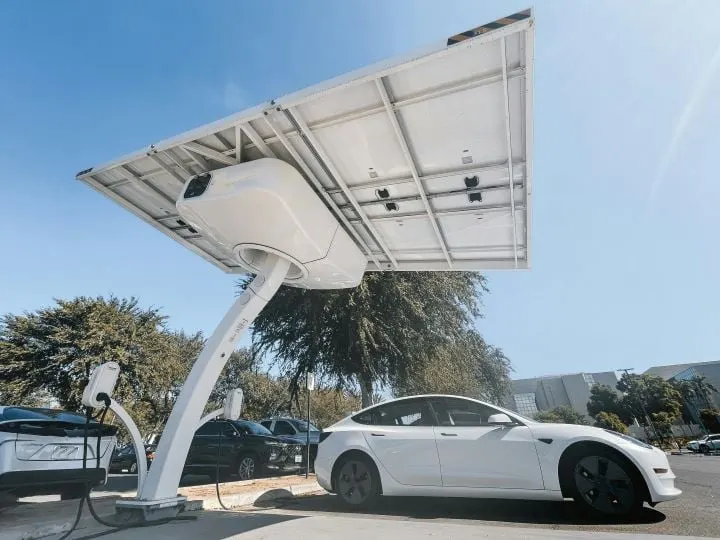
Teslas are losing market share amid an overall flattening of EV demand.
Kindel Media
U.S. electric-vehicle sales grew slowly in March amid a surge in shopping as consumers raced to buy before automotive tariffs took effect, but adoption plans were flat as federal support vanishes.
EV market share rose 1% year-over-year to 9%, J.D. Power reported, but the percentage of consumers in the market for a new car who are very likely to consider an EV was flat at 23%.
The consumer data analytics provider had forecast 9% EV market share this year, or flat results, given Trump administration plans to eliminate federal tax credits and its recent pullback of funding to states for EV charger development. Sparse charger availability, especially in rural areas, is consistently cited by consumers as a major adoption obstacle.
EV demand may also be tempered by recently enacted 25% U.S. tariffs on imported vehicles, along with planned matching tariffs on some auto parts to take effect May 3.
“While trends in demand are shifting geographically, socioeconomically and among individual brands, the industry continues to evolve,” J.D. Power said in its monthly EV market report, without elaborating.
Consumers considering EVs are more likely to be among those with annual incomes exceeding $100,000 and living in the West and Northeast states, J.D. Power said.
In a sign of political polarization, those affiliated as Republican saw a three percentage point drop in likelihood of considering an EV as their next vehicle, or 20% share. Consideration among Democratic consumers was essentially flat at 30%.
In a partially politically influenced trend, U.S. EV market leader Tesla is experiencing losing market share, though it was still tops among brands under consumer consideration at 18% of those somewhat or very likely to choose an EV, down from 21% a year earlier. Just one Tesla model was among the top 10 EVs being considered, the model 3.
Tesla CEO Elon Musk has drawn outrage in some quarters due to his leadership of federal spending and staff cuts. In addition, the Texas-based EV maker has seen declining market share for two years amid rising competition and an aging lineup, J.D. Power said.
Originally posted on Auto Dealer Today
More Industry
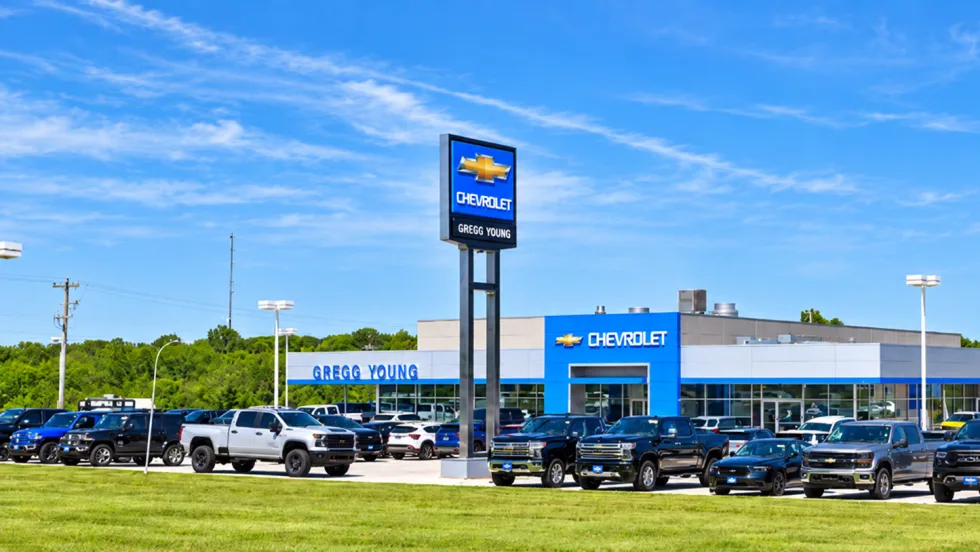
Nebraska Rooftop Changes Hands
The Gregg Young Automotive Group has sold its second dealership to Janssen Auto Group, both in Plattsmouth, Neb.
Read More →
Penske Auto Group Deal a Record
The deal to take the dealership and transportation services company private sets a new pace for industry buy-sell transactions.
Read More →
War Toll a Damper on Used Auto Prices
Cox Automotive found wholesale depreciation to be elevated in September amid high fuel prices and this year's unusual hurricane season.
Read More →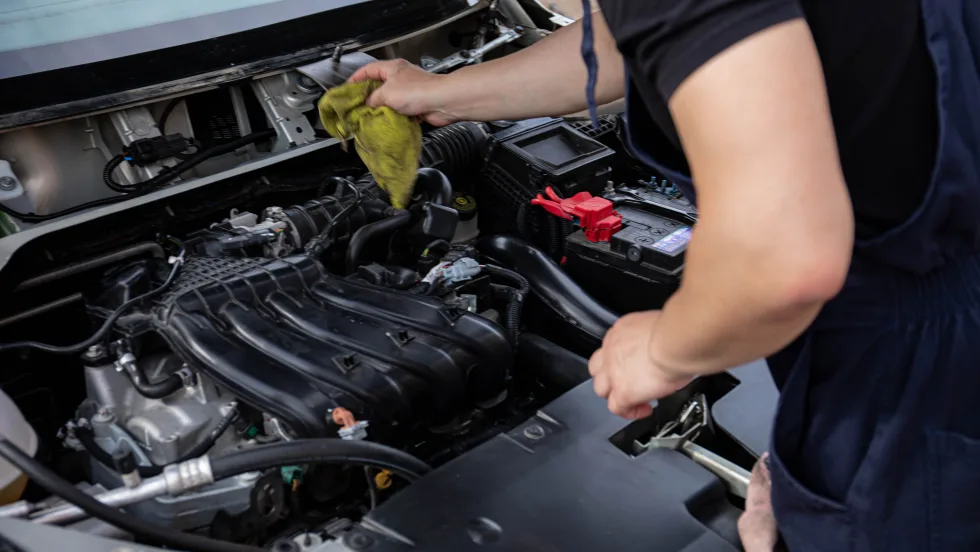
Bridge the Maintenance Gap
With many drivers missing recommended maintenance, service departments offering transparency and efficiency have a better chance of reaching financially strained consumers.
Read More →
California Store Has New Owner
The longtime dealership in the northern part of the state is known for robust fleet sales and has served the state capital for 115 years.
Read More →
BMW Plant Pursues Cleaner Energy
BMW Group Plant Leipzig has utilized hydrogen to help power its production since 2013, but a new pipeline is planned to take it to another level.
Read More →
Auto Affordability Inches Up
The latest Cox Automotive and Moody’s Analytics index shows a slight increase in new-vehicle affordability despite high prices.
Read More →
Ohio Auto Group Under New Ownership
After 79 years with the Schluter family, Mansfield Auto Group has been acquired by Missouri-based Clement Auto Group.
Read More →
RV Group Expands Carolina Footprint
Blue Compass RV Columbia Northeast is the 13th RV dealership owned by Blue Compass in the Carolinas.
Read More →
Agent Acumen
An Agent Summit panel of people who’ve been supporting auto dealers for years gave both timely and timeless advice for those starting out or mulling the prospect.
Read More →