



EV Consideration Falls Further
Study shows fewer shoppers are likely to buy one. J.D. Power says education on incentives could help win more over.

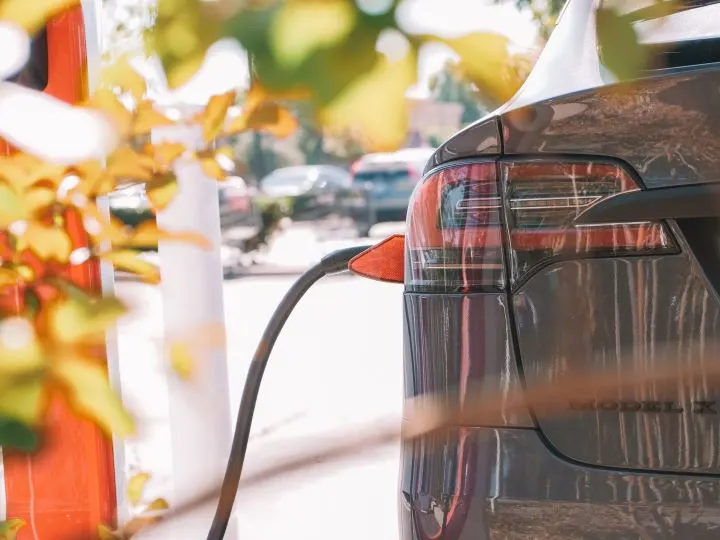
The study shows lesser reasons for reduced demand include lower fuel prices over the past year; inflation; high interest rates; and slowed growth in model availability.
Pexels/Kindel Media
The percentage of consumers considering buying an electric vehicle fell over the past year for the first time in the four years of J.D. Power’s annual study.
The result comes as no surprise, since EV interest has been fading of late after the surge of early adopters, and automakers have reacted by scaling back production plans and targets of fully electric lineups to refocus on hybrids.
The J.D. Power study, fielded from January through April, found that 24% of new-vehicle shoppers say they’re very likely to consider buying an EV, down from 26% a year earlier. Interest even fell among the youngest shoppers. Those who indicate they’re “overall likely” to consider buying one fell from 61% to 58%.
The top reasons for hesitancy remained the same: higher prices, concern about lack of public charger availability, and what J.D. Power describes as “lack of knowledge regarding the EV ownership proposition,” including incentives.
Educating consumers about available EV incentives can help convince more shoppers to buy one, Executive Director of EV Intelligence Stewart Stropp in a press release on the study results.
“As understanding of EV incentives rises, so does the likelihood of consideration. However, approximately 40% of shoppers say they do not have a solid understanding of such incentives. Prioritizing initiatives and efforts to educate consumers about the EV proposition—including available incentives and how they work—is vital to accelerating market growth.”
The study shows other reasons driving reduced demand include lower fuel prices over the past year; inflation; high interest rates; and “underwhelming growth in model availability.”
“In previous years, the number of viable EVs that met shoppers’ needs increased substantially year over year,” Stropp said. “This year, it’s been more incremental. Several automakers have deferred EV launch and production plans and have shifted more focus toward hybrids and plug-in hybrids, so we’re seeing a lot of shoppers who still haven’t found an EV that checks all the boxes.”
Originally posted on Auto Dealer Today
More Industry
Nebraska Rooftop Changes Hands
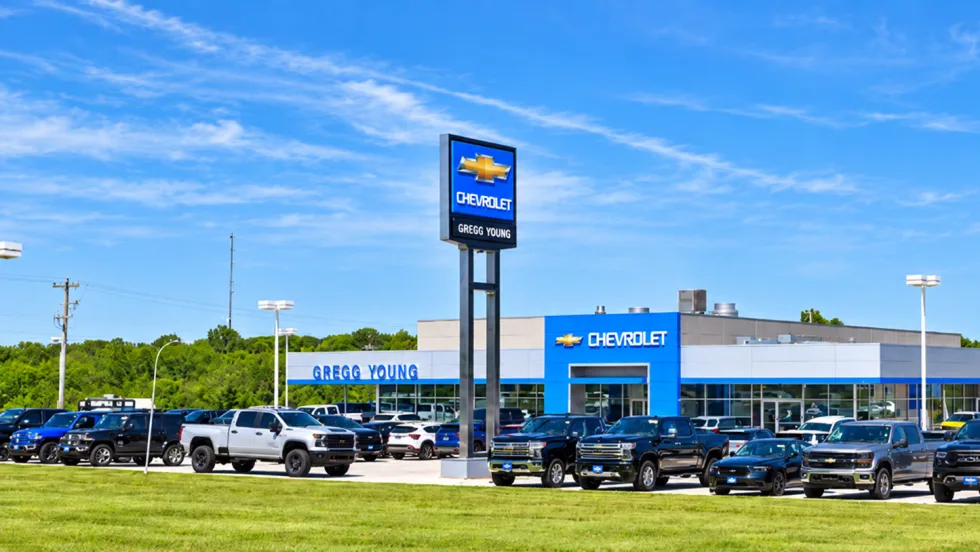
The Gregg Young Automotive Group has sold its second dealership to Janssen Auto Group, both in Plattsmouth, Neb.
Read More →
Penske Auto Group Deal a Record
The deal to take the dealership and transportation services company private sets a new pace for industry buy-sell transactions.
Read More →
War Toll a Damper on Used Auto Prices
Cox Automotive found wholesale depreciation to be elevated in September amid high fuel prices and this year's unusual hurricane season.
Read More →
Bridge the Maintenance Gap
With many drivers missing recommended maintenance, service departments offering transparency and efficiency have a better chance of reaching financially strained consumers.
Read More →
California Store Has New Owner
The longtime dealership in the northern part of the state is known for robust fleet sales and has served the state capital for 115 years.
Read More →
BMW Plant Pursues Cleaner Energy
BMW Group Plant Leipzig has utilized hydrogen to help power its production since 2013, but a new pipeline is planned to take it to another level.
Read More →
Auto Affordability Inches Up
The latest Cox Automotive and Moody’s Analytics index shows a slight increase in new-vehicle affordability despite high prices.
Read More →
Ohio Auto Group Under New Ownership
After 79 years with the Schluter family, Mansfield Auto Group has been acquired by Missouri-based Clement Auto Group.
Read More →
RV Group Expands Carolina Footprint
Blue Compass RV Columbia Northeast is the 13th RV dealership owned by Blue Compass in the Carolinas.
Read More →
Agent Acumen
An Agent Summit panel of people who’ve been supporting auto dealers for years gave both timely and timeless advice for those starting out or mulling the prospect.
Read More →