



Edmunds.com: August Incentives Stronger than Typical

SANTA MONICA, Calif. — With more budget-conscious shoppers and the CARS "hangover" still lingering, there was a heavier dose of incentives than usual during August, according to Edmunds.com.
Specifically, automakers placed an average of $2,681 in incentives on each vehicle they sold during the month, marking a 3-percent slide from July, but a 9.2-percent hike from August 2009 when CARS was drawing to a close, Auto Remarketing reported.
"Historically, August incentives are lower than in July because there is less old-model-year inventory to sell at year-end closeout sale prices," explained Jessica Caldwell, Edmunds.com senior analyst.
"However, this year many automakers are more generous than usual, supporting the bargain-hunting mentality that is driving most car purchases these days and making up for the 'Cash for Clunkers' hangover," she continued. "Meanwhile, inventory is at a remarkably low level: It now takes about 50 days to sell the average vehicle after it arrives at a dealership, where last summer it took more than 70 days to turn."
That said, some OEMs are scaling back on incentives and employing a strategy of selling less, but spending less.
"It appears that some automakers are willing to sell fewer cars while spending less on incentives, thus make more profit per vehicle sold — a sound strategy really," Michelle Krebs, senior analyst for Edmunds.com, pointed out on AutoObserver.com.
"They are learning to live on less — at least in terms of volume — as all Americans are," she added.
Of the six largest OEMs, General Motors had the highest average spending at $3,738 per vehicle sold, which was down from $4,185 in July, but up from $3,237 a year ago.
Chrysler was second. It clipped its incentive spending down to $3,216 per vehicle sold from the $3,391 in August 2009. However, its August average was greater than its July average of $3,132.
Ford spent $3,127 per vehicle sold, up from $3,111 in July and $3,152 in August 2009.
Nissan posted a record incentive spending average in August of $2,959, which was just slightly higher than the month-ago figure ($2,957) and up from $2,557 a year ago.
Toyota's incentive spending averaged $2,180 per vehicle sold, versus $2,234 last month and $1,622 in the same period of 2009. Honda averaged $1,708 for incentive spending, compared with $1,736 in July and $898 a year ago.
Combined, the Big 3 spent an average of $3,405 on incentives per vehicle sold, compared with $3,589 the previous month. Incentive spending for European OEMs was lifted to $2,643, up from $2,456 in July.
Japanese brands spent an average of $2,083 per vehicle sold, down from $2,127 from the prior month.
Korean brands' spending averaged $1,819 during July, compared with $1,907 the month before.
Continuing on, Edmunds.com estimated that there was roughly $2.76 billion that the industry combined to spend on incentives for the month. This marked a 4.7-percent decline from July's aggregate amount.
Of August's aggregate amount, $1.5 billion was from Big 3 automakers, which combined spent 55 percent of the industry aggregate.
Japanese automakers commanded a 30.6-percent share as they put a total of $845 million toward incentives. Incentive spending for European OEMs hit $238 million for an 8.6 percent share. Korean automakers represented 5.7 percent of the aggregate as their spending totaled $158 million.
Breaking it down by vehicle category, the segment with the heaviest average spending was the premium sports cars category, which averaged $8,221 per vehicle sold. Second from the top were large trucks ($4,359).
Conversely, automakers spent the least amount, on average, on subcompact cars ($1,215). Second from the bottom were sports cars ($1,422).
When looking at incentive spending proportionately to sticker price, the heaviest category was the large car segment (12.9 percent). Large trucks were No. 2 (11.8 percent).
Meanwhile, the slightest average was in the premium luxury car segment (3.4 percent). Sports cars were next (3.9 percent).
Among brands, Lincoln had the greatest average incentive spending ($4,832) with Saab next ($4,790). Scion was at the bottom ($497) and smart was second from the bottom ($502).
Based on sticker price proportion, Mercury was tops (14.8 percent) and Chrysler was second (13.5 percent). Subaru ranked lowest (2 percent) and Porsche was next (2.7 percent).
More Industry

Auto Affordability Inches Up
The latest Cox Automotive and Moody’s Analytics index shows a slight increase in new-vehicle affordability despite high prices.
Read More →
Ohio Auto Group Under New Ownership
After 79 years with the Schluter family, Mansfield Auto Group has been acquired by Missouri-based Clement Auto Group.
Read More →
RV Group Expands Carolina Footprint
Blue Compass RV Columbia Northeast is the 13th RV dealership owned by Blue Compass in the Carolinas.
Read More →
Agent Acumen
An Agent Summit panel of people who’ve been supporting auto dealers for years gave both timely and timeless advice for those starting out or mulling the prospect.
Read More →
Missed Maintenance Creates Opportunity
As families get back on the road and into daily school routines, service drives have an opportunity to capture customers who are behind on recommended vehicle maintenance.
Read More →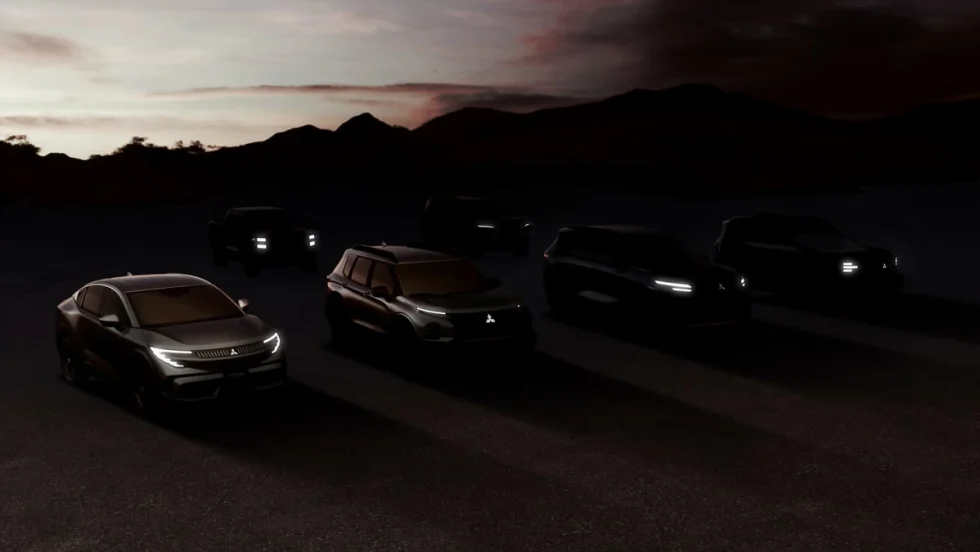
Mitsubishi Unveils U.S. Plan
The automaker announced a strategy that includes an expanded lineup and dealership presence, along with more ‘rugged’ and electric models.
Read More →
Selling to Grow
The question of whether you should sell your agency and if so, when, is up to you. But it’s a question worth asking to ensure you keep the business on the right path for yourself, employees and clients.
Read More →
Recalled Vehicles Hit 5-Year High
Though the number of events has fallen so far this year, impacted units are up significantly. Meanwhile, regulators consider consumer notification changes.
Read More →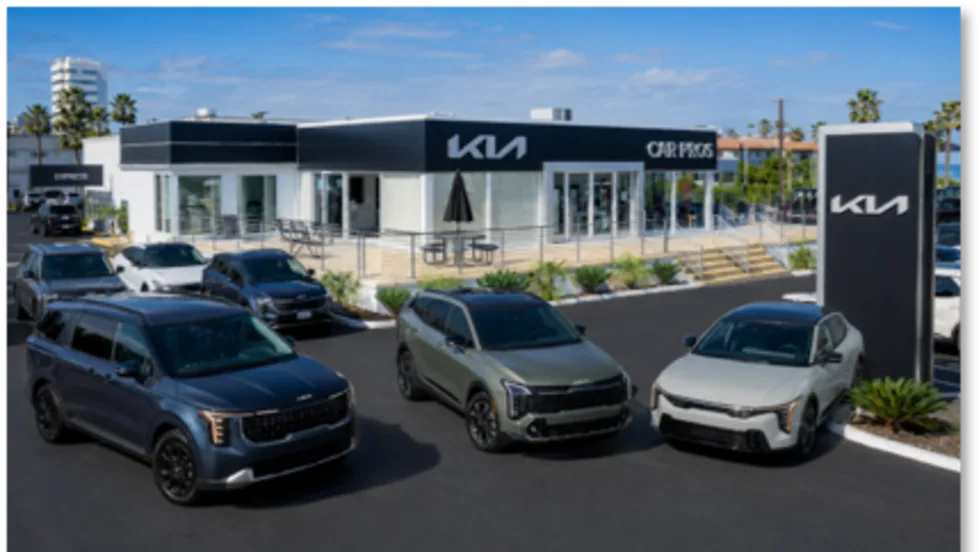
Auto Group Acquires Top-Performing Rooftop
Car Pros sold its Kia Huntington Beach location to Sutherlin Automotive Group, marking the buyer’s third location in Southern California.
Read More →
China as Pacesetter
Automotive leaders huddled on where North America stands in the global picture and how it can strengthen its position against the Asian juggernaut’s surging industry.
Read More →