



Economists Predict U.S. Recovery, Auto Sales Surge in 2011

NEW YORK - Two leading U.S. economists predict a return to more normal economic conditions by the end of 2010, Automotive News reported. As a result, they forecast U.S. light-vehicle sales will reach 14 million units in 2011 and grow to old levels of 17 million and above by middecade. However, market share among automakers will remain extremely fluid. “It's a recovery, but it sure doesn't feel like one,” said Nariman Behravesh, chief economist for consultancy IHS Global Insight. “Unemployment is still a big factor, but consumers are spending. First-quarter growth was the best in about three years.” Driving the recovery will be strong growth in exports as well as capital spending on equipment and high-tech. The main drag is lackluster capital spending on nonresidential construction, and there are worries about short-term commercial real estate exposure, Behravesh said at the NADA/IHS Global Insight Automotive Forum in New York. However, Behravish added that the odds of a double-dip recession are about the same as a recovery that actually exceeds predictions. Corporations and banks are “sitting on a mountain of cash,” it's just a matter of convincing them to spend and lend it. Specific to the automotive sector, the sales resurgence will not be driven by a return to the old ways of subprime loans, home equity-driven purchases and an overabundance of cheap leases. Already there is a recovery in delinquency rates. Rather, the sheer force of demographic trends will trigger a return to more robust sales, said George Magliano, IHS Global Insight director of automotive research. The surging population of Generation Y is just entering a flaccid job market. But once the economy is rolling, by 2013 about 70 to 75 million young consumers will enter the market. In addition, while scrappage demand may not return to high percentages -- thanks to constantly improving quality lengthening the ownership cycle -- there is significant pent-up demand that will see more replacement purchases in the near term, Magliano said. So, who will provide consumers with loans? Already, commercial banks have become very aggressive in auto loan lending, and the industry should look for an increase in zero percent financing, Magliano said. “We've frozen the subprime buyer out of our marketplace,” Magliano said. “We're never going to get back to the approval rates in 2005 and 2006. First we need jobs, then we can get a little bit looser on the credit.” In terms of market share, IHS predicts GM, Ford and Toyota will collide at 17 percent share; Honda will grow to 12 percent; and Hyundai-Kia, Nissan and Chrysler will be in the 7 percent range. But these share numbers are in flux, Magliano said, notably because “nobody has captured the younger generation yet.”
More Industry
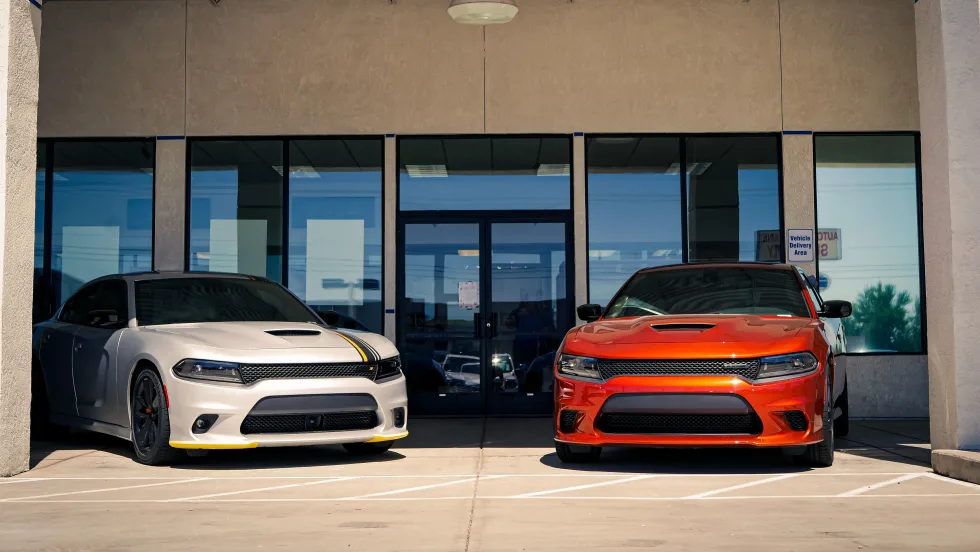
Auto Affordability Inches Up
The latest Cox Automotive and Moody’s Analytics index shows a slight increase in new-vehicle affordability despite high prices.
Read More →
Ohio Auto Group Under New Ownership
After 79 years with the Schluter family, Mansfield Auto Group has been acquired by Missouri-based Clement Auto Group.
Read More →
RV Group Expands Carolina Footprint
Blue Compass RV Columbia Northeast is the 13th RV dealership owned by Blue Compass in the Carolinas.
Read More →
Agent Acumen
An Agent Summit panel of people who’ve been supporting auto dealers for years gave both timely and timeless advice for those starting out or mulling the prospect.
Read More →
Missed Maintenance Creates Opportunity
As families get back on the road and into daily school routines, service drives have an opportunity to capture customers who are behind on recommended vehicle maintenance.
Read More →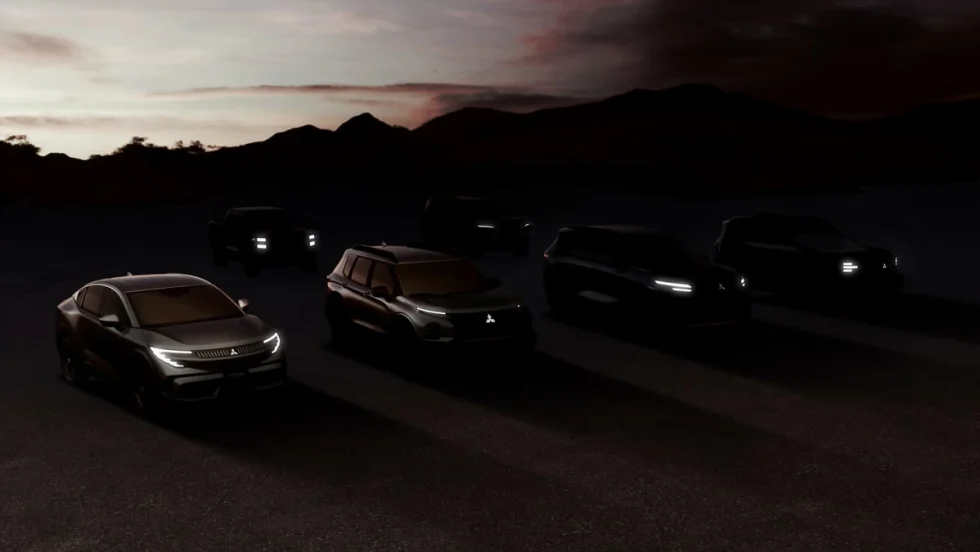
Mitsubishi Unveils U.S. Plan
The automaker announced a strategy that includes an expanded lineup and dealership presence, along with more ‘rugged’ and electric models.
Read More →
Selling to Grow
The question of whether you should sell your agency and if so, when, is up to you. But it’s a question worth asking to ensure you keep the business on the right path for yourself, employees and clients.
Read More →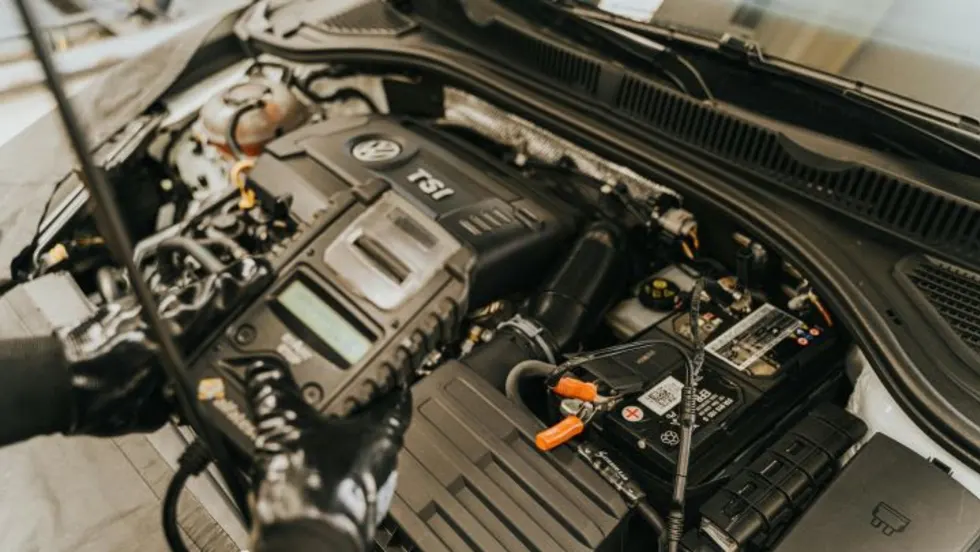
Recalled Vehicles Hit 5-Year High
Though the number of events has fallen so far this year, impacted units are up significantly. Meanwhile, regulators consider consumer notification changes.
Read More →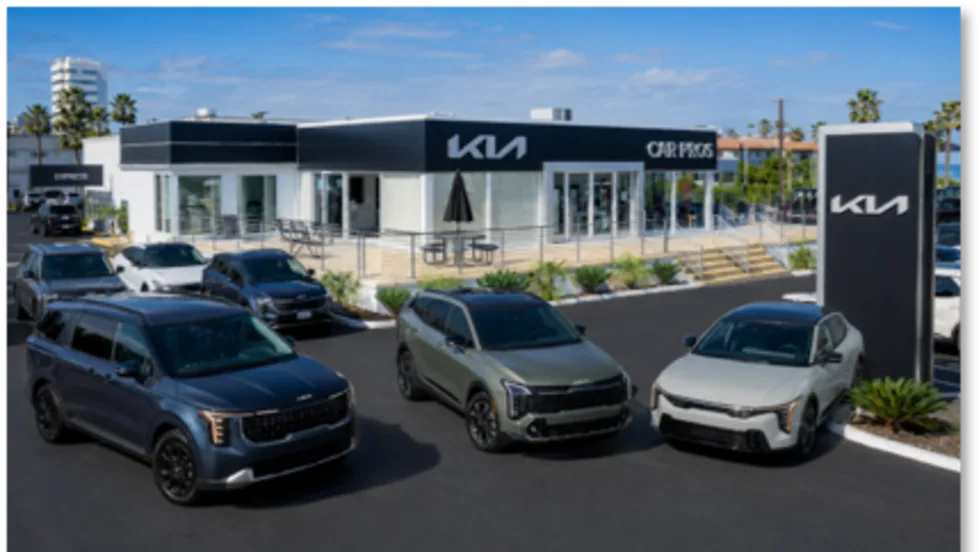
Auto Group Acquires Top-Performing Rooftop
Car Pros sold its Kia Huntington Beach location to Sutherlin Automotive Group, marking the buyer’s third location in Southern California.
Read More →
China as Pacesetter
Automotive leaders huddled on where North America stands in the global picture and how it can strengthen its position against the Asian juggernaut’s surging industry.
Read More →