



Drivers Again Faulted Over Toyota Acceleration

A two-year study looking for possible causes behind Toyota’s rash of unintended acceleration issues has put primary blame on driver error — but the review by the National Academy of Sciences also cautioned that some problems may have been caused by inadvertent interactions involving vehicle electronics — an issue frequently cited by the automaker’s critics.
Though there was no hard evidence of specific electronic defects, the 139-page report cautioned that “the absence of evidence is not the evidence of absence.” Warning electronic faults may be “untraceable,” it calls for stricter government involvement in setting standards for the use of electronic control vehicle systems, reported msnbc.com.
The new report completes a series of studies set in motion by the National Highway Traffic Safety Administration which, in March 2010, asked both the NAS’s National Research Council, as well as NASA, to see why there were so many complaints about what the media was referring to as “runaway Toyotas.”
The problem first made headlines in the summer of 2009, when a California Highway Patrol Officer and several members of his family were killed in a fiery crash involving a Lexus they had borrowed. The maker initially recalled several million vehicles due to a problem it described as “carpet entrapment,” but in January 2010 it added millions more due to a potentially sticky accelerator linkage.
Ultimately, more than 8 million Toyota and Lexus vehicles were recalled in the U.S. alone. But the NHTSA received numerous additional complaints — with plaintiffs’ attorneys lining up to file lawsuits against the automaker — alleging some unknown electronic gremlin was also at work.
Last February, the NASA panel issued its report, contending it had found no indication of electronic defects. The National Research Council study echoes that, putting the primary blame on driver error. That had been the conclusion of other investigators in a number of instances — in one, police investigators found that a woman driver involved in a crash had been pressing on the gas pedal, rather than the brake, so hard she had bent its linkage.
Nonetheless, the latest study does not rule out electronic issues, which it cautioned can result in “untraceable faults,” with no physical evidence — other than a crash — to show when there might have been a problem such as a momentary software glitch.
“Some failures of software and other faults in electronics systems do not leave physical evidence of their occurrence, which can complicate assessment of the causes of unusual behaviors in the modern, electronics-intensive automobile,” the report cautioned.
Nonetheless, Louis Lanzerotti, the chairman of the panel and a New Jersey Institute of Technology physics professor, said during a conference call that, “All the data available to us indicated the conclusion that there was no electronic or software problem” that may have caused the Toyota unintended acceleration reports.”
The new study called for a number of steps to be taken to reduce the likelihood that electronic hardware and software do cause problems in the future – a critical issue considering the increasing use of digital technology in modern automobiles. Among the recommendations:
NHTSA should convene an advisory panel to set uniform industry testing standards for electronic systems;
New vehicles should be equipped with aircraft-style black boxes to make it easier to trace and identify defects;
Regulators need to continue research on pedal design and placement.
More Industry

Penske Auto Group Deal a Record
The deal to take the dealership and transportation services company private sets a new pace for industry buy-sell transactions.
Read More →
War Toll a Damper on Used Auto Prices
Cox Automotive found wholesale depreciation to be elevated in September amid high fuel prices and this year's unusual hurricane season.
Read More →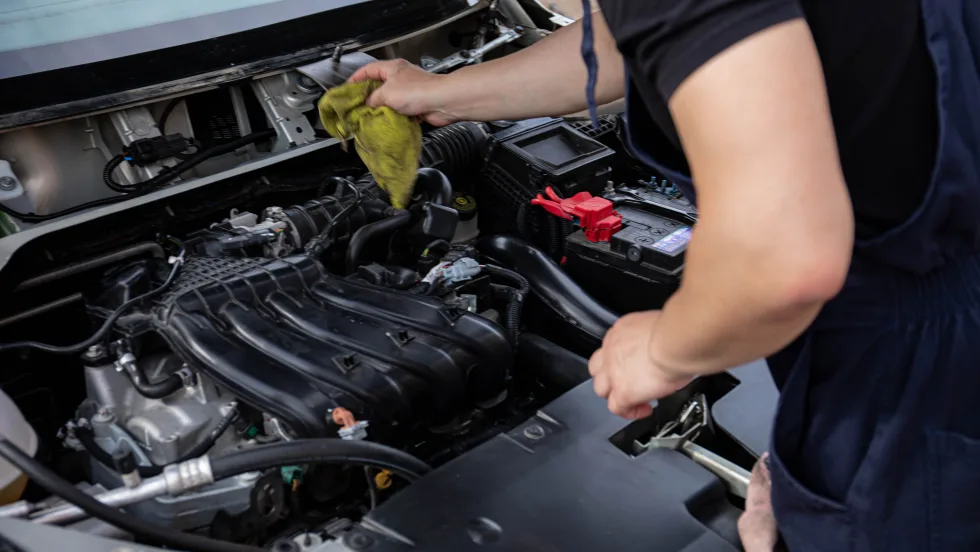
Bridge the Maintenance Gap
With many drivers missing recommended maintenance, service departments offering transparency and efficiency have a better chance of reaching financially strained consumers.
Read More →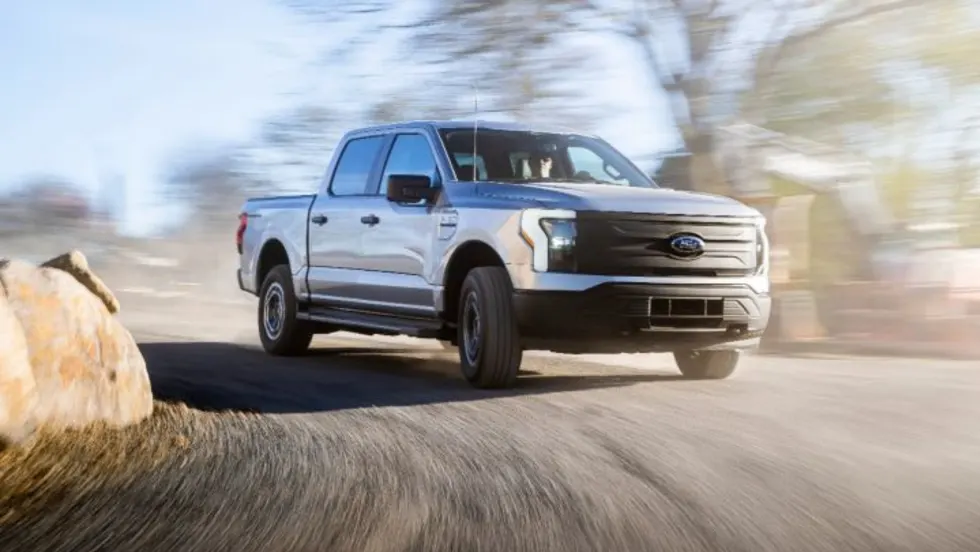
California Store Has New Owner
The longtime dealership in the northern part of the state is known for robust fleet sales and has served the state capital for 115 years.
Read More →
BMW Plant Pursues Cleaner Energy
BMW Group Plant Leipzig has utilized hydrogen to help power its production since 2013, but a new pipeline is planned to take it to another level.
Read More →
Auto Affordability Inches Up
The latest Cox Automotive and Moody’s Analytics index shows a slight increase in new-vehicle affordability despite high prices.
Read More →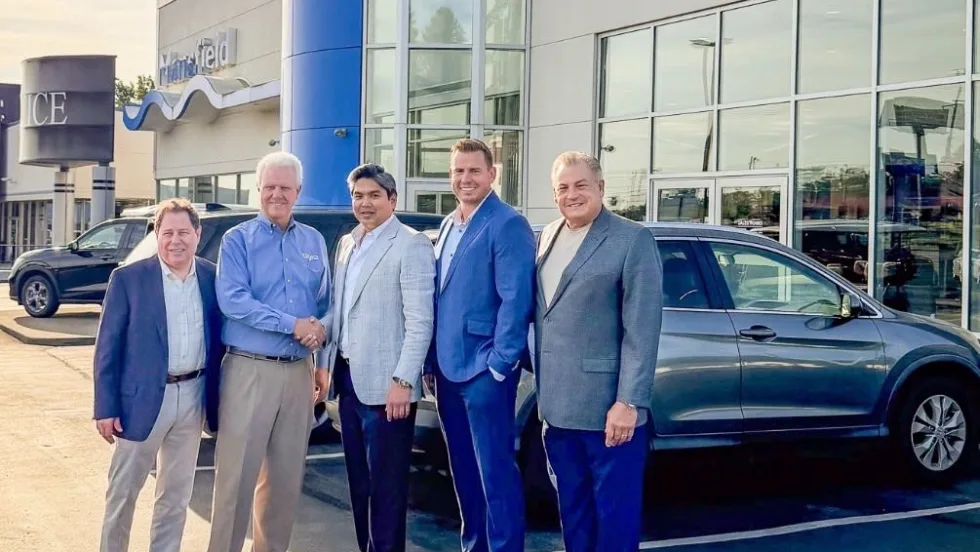
Ohio Auto Group Under New Ownership
After 79 years with the Schluter family, Mansfield Auto Group has been acquired by Missouri-based Clement Auto Group.
Read More →
RV Group Expands Carolina Footprint
Blue Compass RV Columbia Northeast is the 13th RV dealership owned by Blue Compass in the Carolinas.
Read More →
Agent Acumen
An Agent Summit panel of people who’ve been supporting auto dealers for years gave both timely and timeless advice for those starting out or mulling the prospect.
Read More →
Missed Maintenance Creates Opportunity
As families get back on the road and into daily school routines, service drives have an opportunity to capture customers who are behind on recommended vehicle maintenance.
Read More →