



Detroit Three, UAW Will Square Off Over Wages, U.S. Jobs
The Big Three U.S. automakers and the United Auto Workers union will kick off bargaining Monday for new contracts that would set how much more robust, post-recession profits the industry shares with workers, and determine union costs to win more U.S. jobs, reports Reuters. UAW leaders said they will insist on raises for 139,000 blue-collar ... Read More »

The Big Three U.S. automakers and the United Auto Workers union will kick off bargaining Monday for new contracts that would set how much more robust, post-recession profits the industry shares with workers, and determine union costs to win more U.S. jobs, reports Reuters.
UAW leaders said they will insist on raises for 139,000 blue-collar workers at U.S. plants run by Ford Motor Co, General Motors Co. and Fiat Chrysler Automobiles after rounds of bargaining in 2007 and 2011 that led to substantial concessions. Union leaders and chief executives of the Detroit Three are scheduled to stage public handshakes next week, starting Monday. Their current contracts expire Sept. 14.
Union President Dennis Williams has said he wants to narrow the gap between veteran workers, who make about $28 an hour, and employees hired since 2011 with a “second tier” hourly wage of $16 to $19.
Labor accounts for a declining share of a vehicle’s cost, said Sean McAlinden, chief economist at the Center for Automotive Research, noting that the three automakers’ costs for UAW members fell to 5.7 percent last year from 11.5 percent in 2007.
But executives at the Detroit Three said their ability to add more UAW jobs depends on offsetting increases in wages or benefits with gains in productivity. Health care costs promise to be a central issue, as the automakers face paying a so-called “Cadillac tax” of 40 percent on rich UAW medical plans starting in 2018.
John Fleming, head of Ford manufacturing, said the company expects to boost productivity by 6 to 7 percent in all its factories. “Every dollar that we don’t take out is a dollar that your competitor can spend on making their vehicles more competitive,” he said.
The automakers’ leverage is strengthened by the union’s failure to organize auto plants in the southern United States operated by Asian and European manufacturers, and by the growing capability of Mexican auto workers and suppliers to build cars for the U.S. market.
Ford jolted the union on Thursday by announcing plans to move production of its small Focus and C-max hybrid cars out of a factory in suburban Detroit by 2018. The company said the Wayne, Michigan, factory’s future would be a subject of bargaining in this round of talks.
More Industry

Penske Auto Group Deal a Record
The deal to take the dealership and transportation services company private sets a new pace for industry buy-sell transactions.
Read More →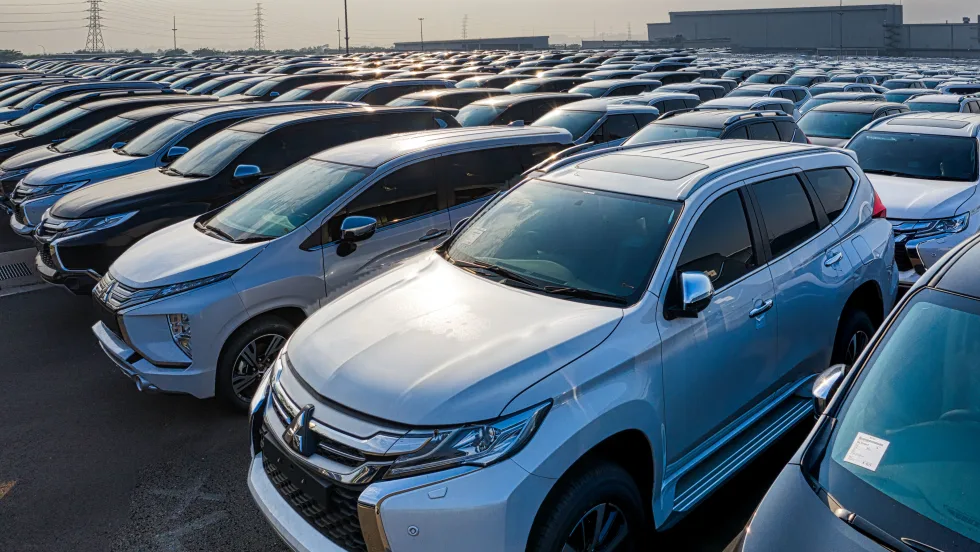
War Toll a Damper on Used Auto Prices
Cox Automotive found wholesale depreciation to be elevated in September amid high fuel prices and this year's unusual hurricane season.
Read More →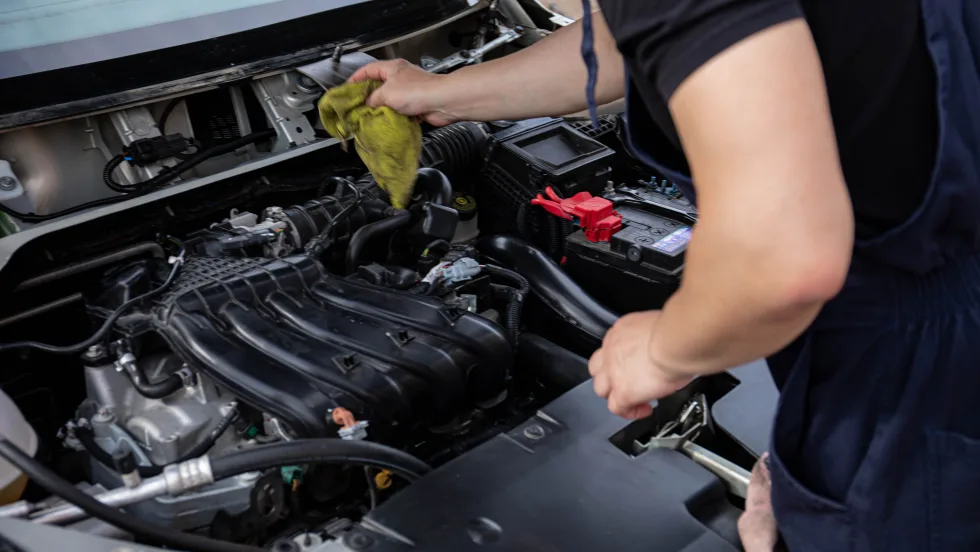
Bridge the Maintenance Gap
With many drivers missing recommended maintenance, service departments offering transparency and efficiency have a better chance of reaching financially strained consumers.
Read More →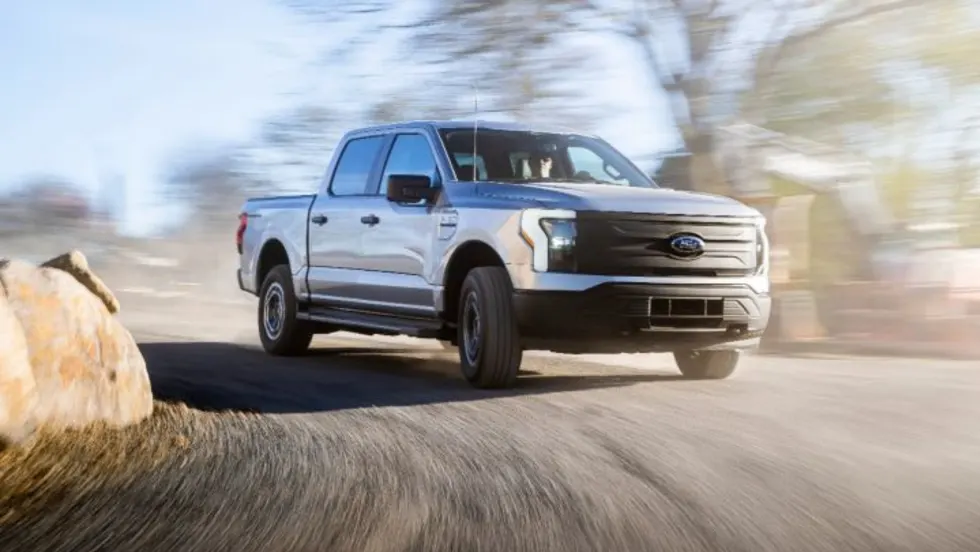
California Store Has New Owner
The longtime dealership in the northern part of the state is known for robust fleet sales and has served the state capital for 115 years.
Read More →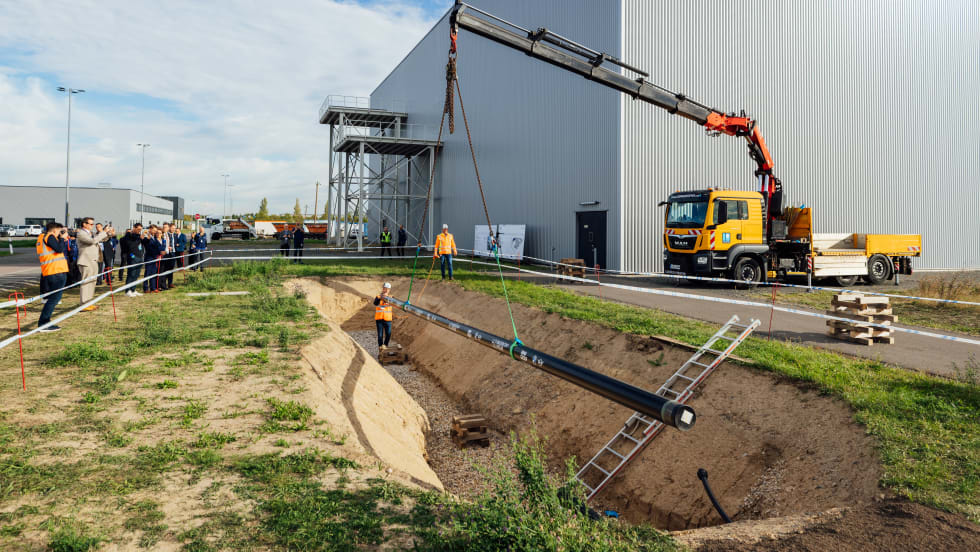
BMW Plant Pursues Cleaner Energy
BMW Group Plant Leipzig has utilized hydrogen to help power its production since 2013, but a new pipeline is planned to take it to another level.
Read More →
Auto Affordability Inches Up
The latest Cox Automotive and Moody’s Analytics index shows a slight increase in new-vehicle affordability despite high prices.
Read More →
Ohio Auto Group Under New Ownership
After 79 years with the Schluter family, Mansfield Auto Group has been acquired by Missouri-based Clement Auto Group.
Read More →
RV Group Expands Carolina Footprint
Blue Compass RV Columbia Northeast is the 13th RV dealership owned by Blue Compass in the Carolinas.
Read More →
Agent Acumen
An Agent Summit panel of people who’ve been supporting auto dealers for years gave both timely and timeless advice for those starting out or mulling the prospect.
Read More →
Missed Maintenance Creates Opportunity
As families get back on the road and into daily school routines, service drives have an opportunity to capture customers who are behind on recommended vehicle maintenance.
Read More →