



Detroit Auto Makers Topped Importers in Sales in May

DETROIT — The steady recovery in auto sales stalled in May, as more consumers stayed away from new-car showrooms because of higher prices, shortages of some Japanese models, and concerns over the economy.
Automakers said that sales dropped 3.7 percent during the month compared with the period a year earlier. Analysts said the closely watched, seasonally adjusted annual selling rate in May was just 11.8 million vehicles, the lowest level reported since last September, reported The New York Times.
While May was the worst month for sales so far this year, auto executives said they still expected overall sales in the United States would exceed 13 million vehicles for the year. However, the slowdown could continue into the summer before the pace picks up again. “We do believe the economy will continue its slow and gradual recovery,” said Don Johnson, General Motors’ vice president for United States sales operations.
The hardest hit of the auto companies in May were Toyota and Honda, which said that production disruptions from the Japanese earthquake had caused shortages of some models at dealerships.
Because of Japanese automakers’ setbacks, Detroit’s Big Three — G.M., Ford and Chrysler — ranked first, second and third in terms of sales in the United States for the first time since 2006. Last year, Toyota had ranked third.
But Toyota’s sales dropped 33 percent, allowing Chrysler, whose sales rose 10 percent, to climb into third place. G.M.’s sales slipped more than 1 percent during May, and Ford’s were flat.
And for the first time, the Hyundai Kia Automotive Group, of South Korea, outsold Honda, which reported a 23 percent decline.
Tight inventories and an unusually low level of discounts combined to keep many consumers out of the market during the month. Analysts said it appeared that shoppers had decided to hold off in the hopes of finding better deals or a wider selection.
“Some buyers looked at the reports or maybe heard something about it and decided to wait instead of going down to the showroom and look,” said Jeff Schuster, executive director of global forecasting at the research firm J. D. Power & Associates.
G.M. said its overall sales decreased by 1.2 percent, but that its passenger-car sales rose by 13 percent.
Ford reported a 0.3 percent decline, which excluded sales of the Volvo brand it no longer owns. The company said that small cars and crossover vehicles accounted for 27 percent of its volume, up from 19 percent a year ago.
Some carmakers bucked the trend and reported large gains. Kia’s sales rose 53 percent, to a monthly record of 48,212, and Hyundai’s were up 21 percent. The German carmaker Volkswagen said sales rose 24 percent and that May was the company’s best month in nearly eight years.
But across the industry, sales were down after increasing about 20 percent from January through April.
Toyota and Honda are still trying to recover from the earthquake that struck Japan in March. Both companies have said they expect to resume normal production levels later this summer.
Toyota is “well ahead of our recovery plans,” said Robert S. Carter, the company’s top United States sales executive.
While Toyota and Honda said their plants were building more vehicles, many of their most popular and most fuel-efficient models have become scarcer, causing consumers to look at other brands or put off shopping until inventories can be restocked.
“Toyota and Honda lost significant market share in May after cutting their incentives drastically to preserve inventories,” Brian A. Johnson, an analyst with Barclays Capital, wrote in a report to clients. “This strategy appears to have somewhat backfired on them, and Toyota had to raise incentives back midmonth in order to limit the damage.”
Incentive spending by automakers, which included cash-back rebates, subsidized financing rates and other deals, was down. TrueCar.com, a site that tracks vehicle sales and pricing, said incentives fell in May to the lowest level in nearly nine years.
At the same time, automakers have been raising prices to compensate for higher raw material costs; Ford this week announced the third price increase for its lineup this year. In addition, dealers have been able to charge more for many models with high fuel economy.
Both Ford and G.M. reported gains in sales of their smaller cars as consumers gravitated to vehicles with good fuel economy.
But auto companies do not expect consumers to pull back on spending as drastically as they did in 2008, when higher gas prices cut deeply into sales.
Since then, automakers have adjusted production to build more small cars and fewer pickup trucks and large sport utility vehicles. G.M. and Ford, in particular, have benefited from having more fuel-efficient cars.
“Customers increasingly are demanding new products that deliver compelling fuel economy,” Ken Czubay, Ford’s vice president for United States marketing, sales and service, said.
G.M.’s Chevrolet Malibu was the top-selling passenger car in the country in May, the first time in nearly three years that a Detroit model outsold perennial market leaders like the Toyota Camry, Honda Accord and Nissan Altima.
In fact, 8 of the top 10 vehicles sold in May were made by the Detroit companies. Despite a 15 percent decline in sales from a year earlier, Ford’s F-Series pickup was still the best-selling model over all.
More Industry
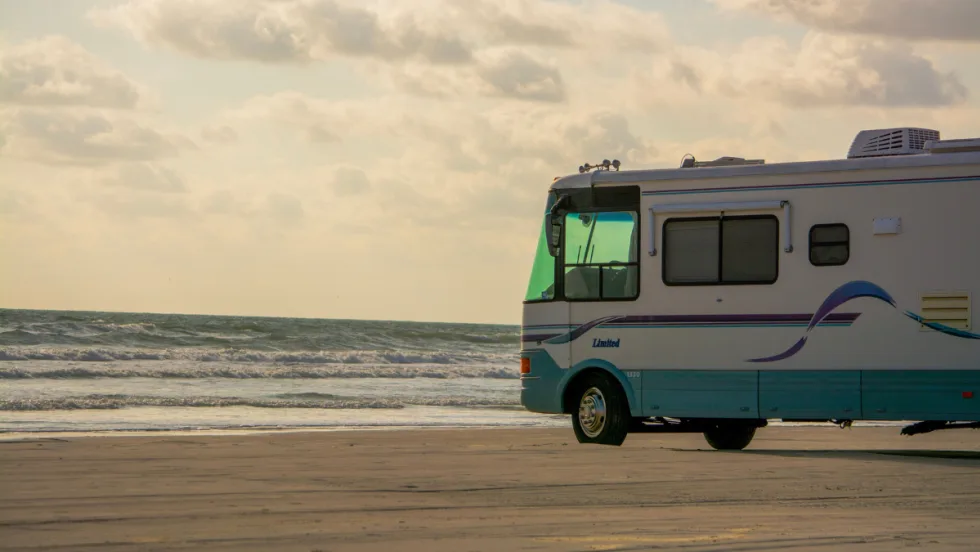
RV Group Expands Carolina Footprint
Blue Compass RV Columbia Northeast is the 13th RV dealership owned by Blue Compass in the Carolinas.
Read More →
Agent Acumen
An Agent Summit panel of people who’ve been supporting auto dealers for years gave both timely and timeless advice for those starting out or mulling the prospect.
Read More →
Missed Maintenance Creates Opportunity
As families get back on the road and into daily school routines, service drives have an opportunity to capture customers who are behind on recommended vehicle maintenance.
Read More →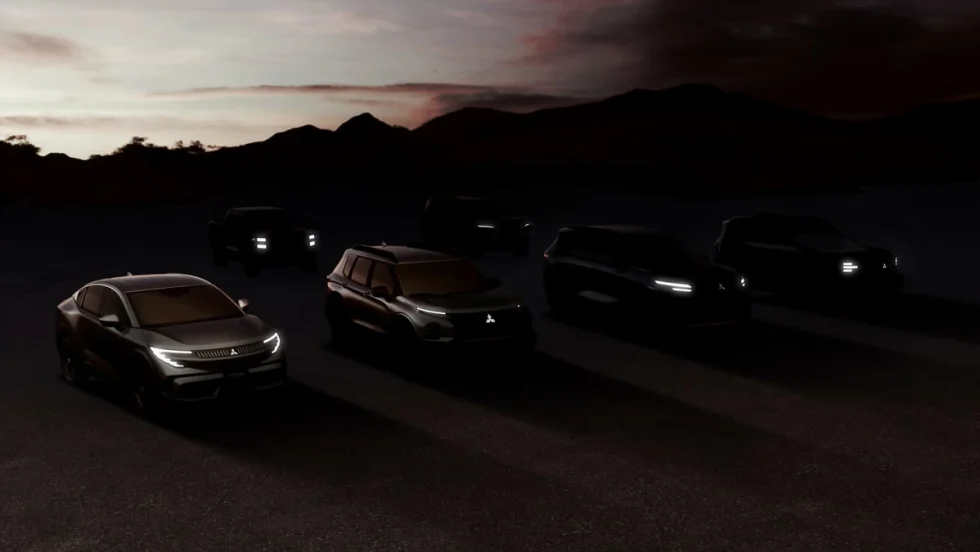
Mitsubishi Unveils U.S. Plan
The automaker announced a strategy that includes an expanded lineup and dealership presence, along with more ‘rugged’ and electric models.
Read More →
Selling to Grow
The question of whether you should sell your agency and if so, when, is up to you. But it’s a question worth asking to ensure you keep the business on the right path for yourself, employees and clients.
Read More →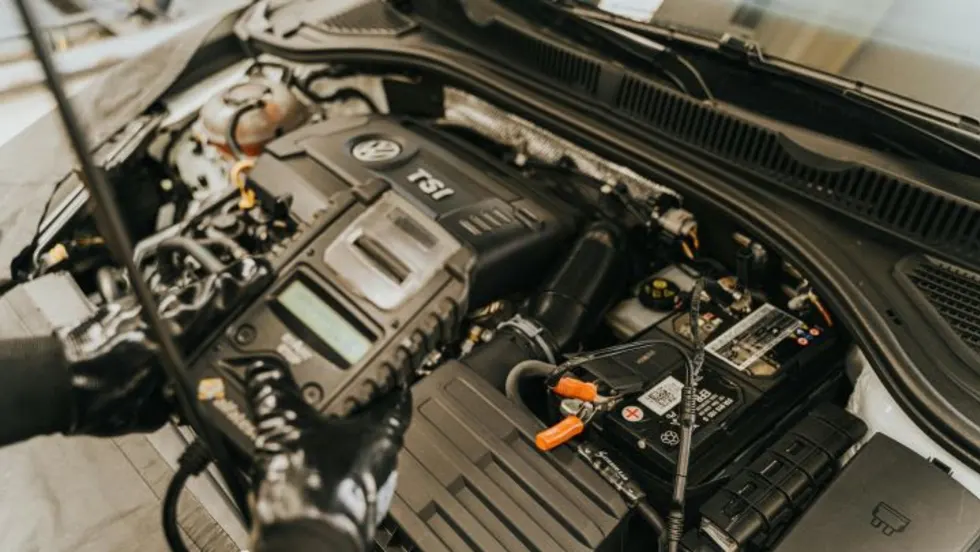
Recalled Vehicles Hit 5-Year High
Though the number of events has fallen so far this year, impacted units are up significantly. Meanwhile, regulators consider consumer notification changes.
Read More →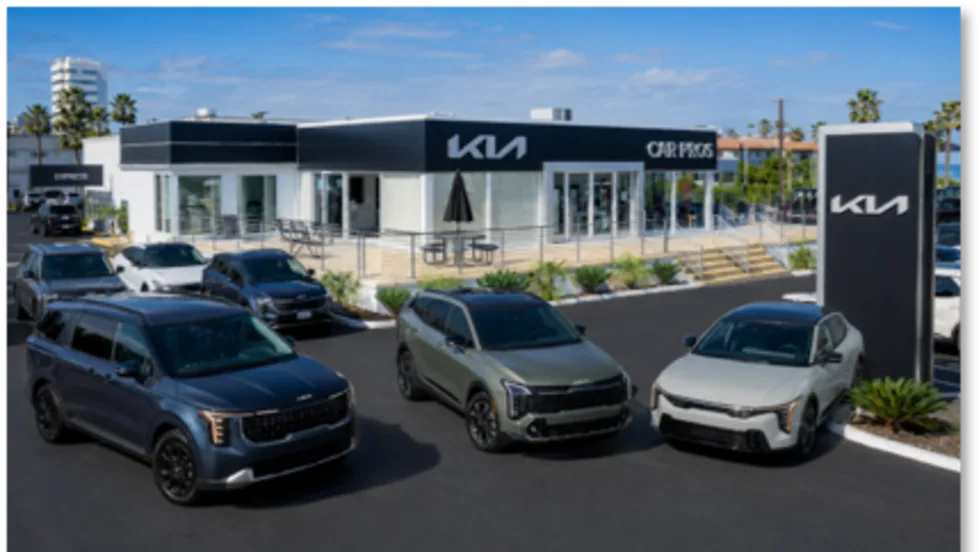
Auto Group Acquires Top-Performing Rooftop
Car Pros sold its Kia Huntington Beach location to Sutherlin Automotive Group, marking the buyer’s third location in Southern California.
Read More →
China as Pacesetter
Automotive leaders huddled on where North America stands in the global picture and how it can strengthen its position against the Asian juggernaut’s surging industry.
Read More →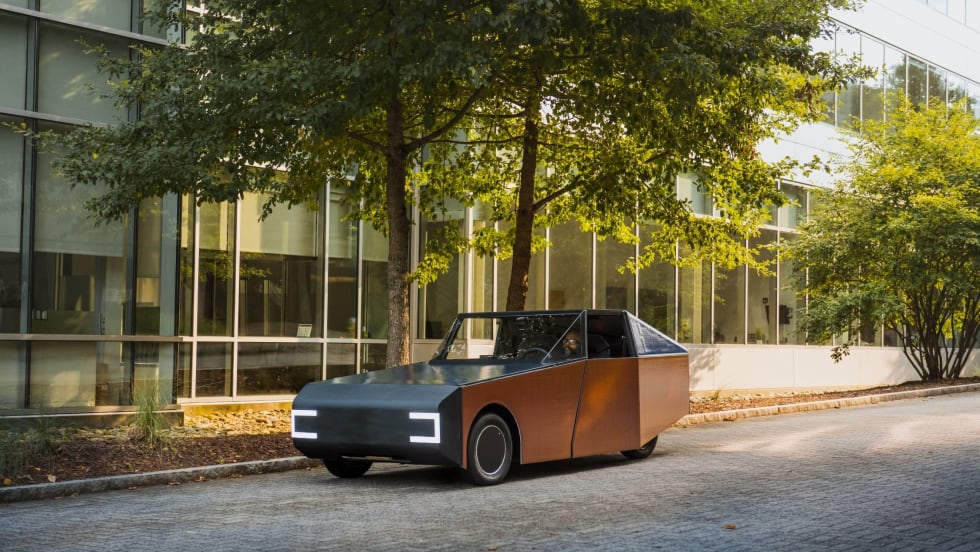
BMW Concept Car Makes Fuel to Burn
The prototype developed in concert with a South Carolina university engineering team generates more solar energy than it uses in a typical daily commute.
Read More →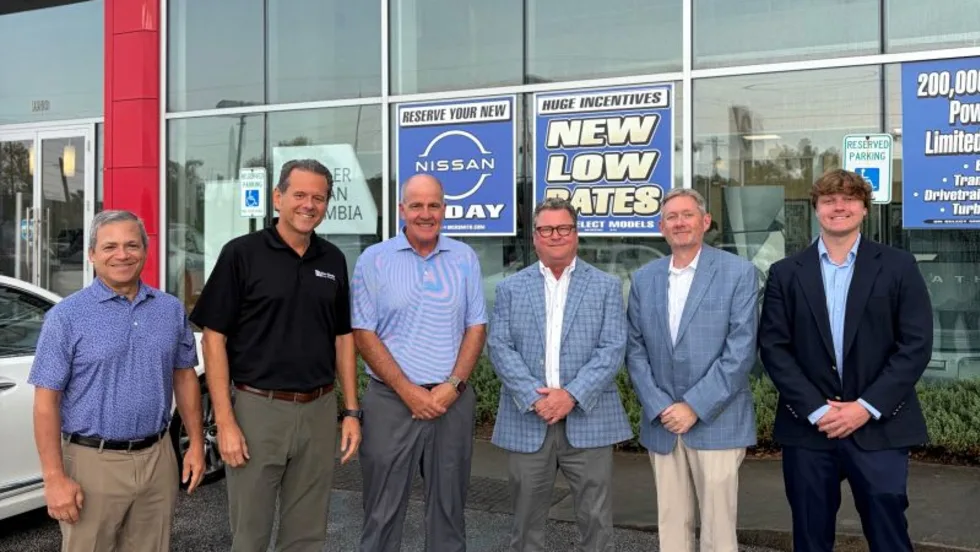
South Carolina Auto Group Downsizes
Florida-based group Holler-Classic has acquired four rooftops, its first in South Carolina, from Dick Smith Automotive Group.
Read More →