



Detroit 3 Could Benefit from China's Rising Currency

Signs that China's currency is set to rise further bode well for Detroit's automakers, which would benefit from stronger demand for cars in China -- including popular U.S. brands, The Detroit News reported.
And a stronger yuan would allay concerns in Detroit about the prospect of bargain-priced Chinese car imports benefiting from what most U.S. officials consider an artificially weak currency.
The yuan, officially known as the renminbi, rose Monday to its highest level in five years, triggering rallies in global stocks and a short-lived surge on Wall Street, after China's central bank said it would allow its currency to trade in a wider range.
China's trading partners welcomed the initiative because a stronger currency would boost demand for imported goods in China's huge and robust market.
European and Asian stocks rose Monday but the Dow Jones industrial average gave up its gains, closing down 8.23 points to 10,442.41, as investors figured that an appreciation of the yuan would be a long-term process.
The Obama administration said it was encouraged by China's pledge, but White House spokesman Bill Burton said the government was waiting to see whether China would follow through.
For Detroit's automakers, particularly General Motors Co. and Ford Motor Co., which have car-making ventures in China, a rise in the currency would probably boost their sales.
"All of our companies -- GM, Ford and Chrysler -- welcome the Chinese government's announcement to enhance the yuan's exchange rate flexibility," said Stephen Collins, president of the American Automotive Policy Council in Washington, D.C.
But a stronger yuan also has disadvantages for U.S. automakers and suppliers, which are big buyers of Chinese components. Their costs would rise.
Chinese automotive exports to the United States now exceed imports by $5.6 billion.
China, which pegs its currency to the dollar and lets it trade in a very narrow range, has allowed it to appreciate in recent years. But China is under mounting pressure to let the yuan rise further and faster, to more accurately reflect the vigor of its economy.
After China's central bank said Saturday it would allow the yuan to trade in a wider range, it signaled on Monday that it wasn't going to let the currency rise rapidly by leaving the yuan's official reference level unchanged from Friday's rate of 6.8275 to the dollar.
Still, traders betting on a long-term rise in the currency drove it to a five-year high of 6.7976.
A stronger yuan would help China's trading partners recover faster from the global downturn by tapping into the growth of the world's third-largest economy.
It would benefit exporters to China, such as heavy equipment makers and luxury goods firms, by making their products more affordable. But it would raise costs of consumer goods in the United States and other countries importing Chinese goods.
From China's standpoint, a stronger currency would help check inflation -- a risk in an economy growing at an annual rate of 9 percent to 10 percent.
More Industry

Penske Auto Group Deal a Record
The deal to take the dealership and transportation services company private sets a new pace for industry buy-sell transactions.
Read More →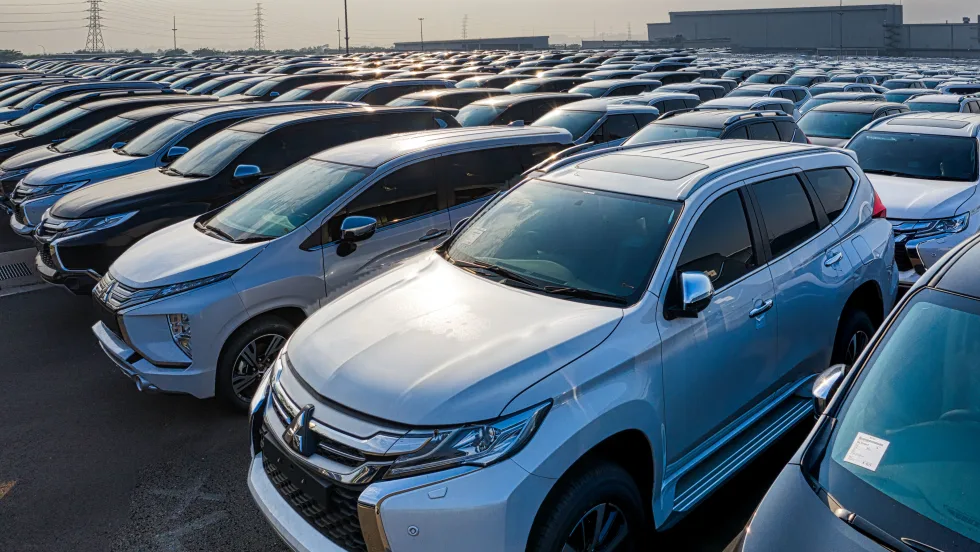
War Toll a Damper on Used Auto Prices
Cox Automotive found wholesale depreciation to be elevated in September amid high fuel prices and this year's unusual hurricane season.
Read More →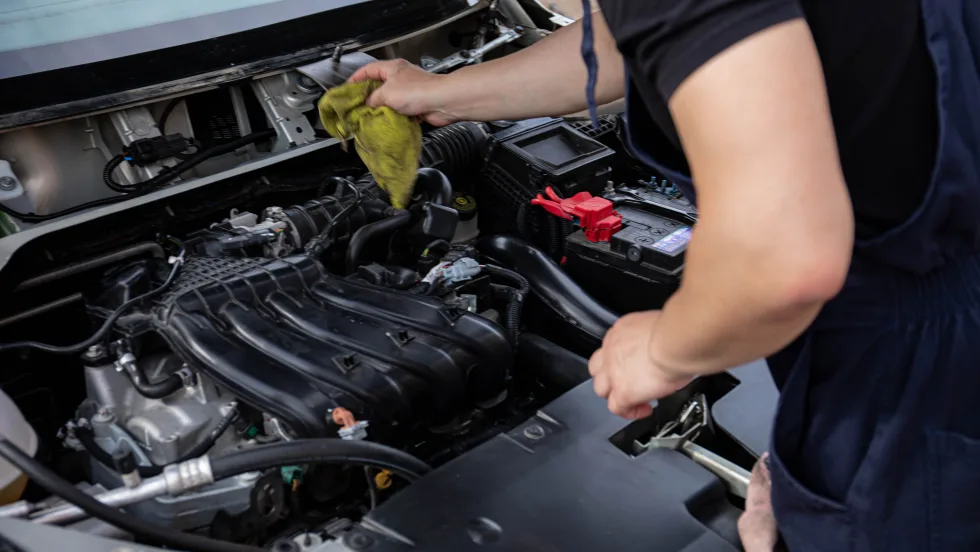
Bridge the Maintenance Gap
With many drivers missing recommended maintenance, service departments offering transparency and efficiency have a better chance of reaching financially strained consumers.
Read More →
California Store Has New Owner
The longtime dealership in the northern part of the state is known for robust fleet sales and has served the state capital for 115 years.
Read More →
BMW Plant Pursues Cleaner Energy
BMW Group Plant Leipzig has utilized hydrogen to help power its production since 2013, but a new pipeline is planned to take it to another level.
Read More →
Auto Affordability Inches Up
The latest Cox Automotive and Moody’s Analytics index shows a slight increase in new-vehicle affordability despite high prices.
Read More →
Ohio Auto Group Under New Ownership
After 79 years with the Schluter family, Mansfield Auto Group has been acquired by Missouri-based Clement Auto Group.
Read More →
RV Group Expands Carolina Footprint
Blue Compass RV Columbia Northeast is the 13th RV dealership owned by Blue Compass in the Carolinas.
Read More →
Agent Acumen
An Agent Summit panel of people who’ve been supporting auto dealers for years gave both timely and timeless advice for those starting out or mulling the prospect.
Read More →
Missed Maintenance Creates Opportunity
As families get back on the road and into daily school routines, service drives have an opportunity to capture customers who are behind on recommended vehicle maintenance.
Read More →