



Dealers Urge Congress to Keep Credit Affordable and Accessible with Finance Reform

WASHINGTON – The National Automobile Dealers Association (NADA) urges House and Senate conferees to keep finance options for car buyers affordable and accessible when considering legislation to overhaul the nation’s financial system. “The House and Senate sent a very clear and bipartisan message that Main Street auto dealerships should not be in a Wall Street reform bill,” said David Regan, NADA vice president of legislative affairs. During consideration of the Wall Street reform legislation, members of Congress voted to keep in place the sound regulatory structure that has allowed millions of consumers to buy new vehicles at competitive interest rates instead of creating an uncertain regulatory regime under a new agency. Late last year, a strong bipartisan majority in the House Financial Services Committee voted 47-21 to support an auto dealer amendment, sponsored by Rep. John Campbell, R-Calif, which seeks to keep dealer-assisted financing a competitive option for auto shoppers. The amendment was retained in the final House bill. On May 24, the Senate, by an overwhelming bipartisan margin (60-30), voted to support a “motion to instruct the conferees” offered by Sen. Sam Brownback, R-Kan., to keep the auto dealer language in the conference report. “Auto dealerships are not banks. Dealers help consumers find affordable credit by arranging financing through a network of third-party lenders,” Regan said. “Dealerships do not underwrite, fund or service auto loans or leases and those that do will be subject to the new agency’s regulations, even under the Brownback/Campbell auto dealer language.” Regan further emphasized that the new consumer agency proposed in the bill would have direct federal oversight over all auto loans. All banks, finance companies, credit unions and, dealerships that directly fund and service auto loans would also be regulated. Regan said that false allegations by various groups were an attempt to confuse lawmakers, but many in Congress realized that the claims are without merit. For instance, baseless claims regarding dealer practices toward the military were dismissed because no data exists to back up the claims. In fact, when the Department of Defense presented a comprehensive report on predatory lending directed at the military in 2006, the report did not specifically identify dealer-assisted financing as a problem, instead focusing on payday loans, auto title lending, and refund anticipation loans. Click here for the report. Similarly false claims alleging discriminatory practices also did not withstand scrutiny. A study cited by opponents failed to factor in an individual’s creditworthiness when determining a loan’s interest rate. Congress also recognized that the Brownback/Campbell auto dealer language preserves all existing state and federal consumer protection statutes and regulations that govern dealer-assisted financing. Dealers’ retail financing activity would continue to be effectively regulated by the Federal Reserve Board and the Federal Trade Commission. Regan urged the bill’s conferees to remember that dealer-assisted financing is optional for car buyers and provides more convenience, more competition and more choices for consumers. Dealers’ relationships with numerous lenders allow them to help consumers find more competitive financing. Often an automaker’s captive finance company enables dealers to provide 0 percent financing, which banks and credit unions do not offer. “The vast majority of Congress looked at the facts and clearly saw that auto financing did not cause the financial crisis,” Regan said. Auto financing is sound because lenders must look primarily to the borrower for repayment, since financing is secured by a depreciating asset (the vehicle). Since 2004, 60-day auto loan delinquencies have never exceeded 1 percent, even during the worst of the recent recession. “Consumers win when they have multiple financing options. Conferees must keep auto financing affordable for consumers from all walks of life by keeping competition in the marketplace,” Regan added.
More Industry
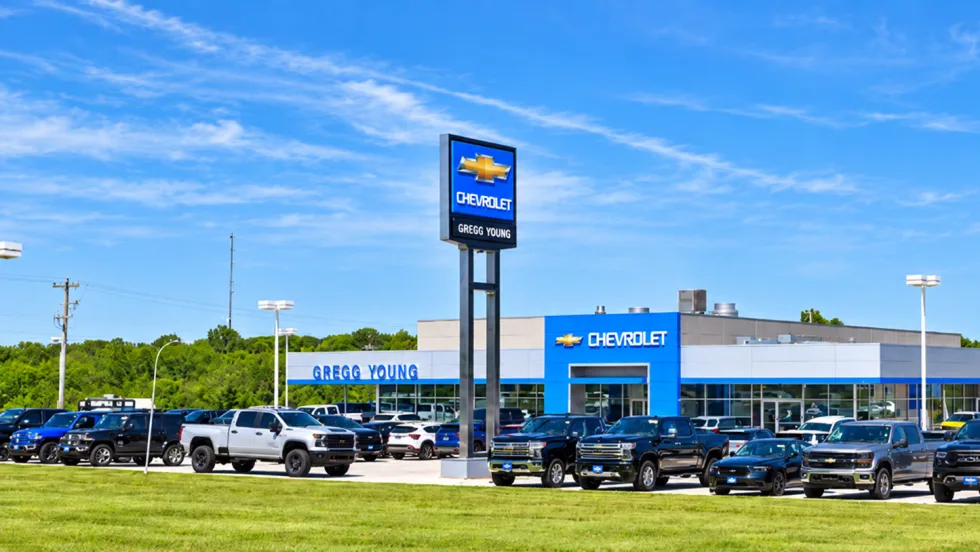
Nebraska Rooftop Changes Hands
The Gregg Young Automotive Group has sold its second dealership to Janssen Auto Group, both in Plattsmouth, Neb.
Read More →
Penske Auto Group Deal a Record
The deal to take the dealership and transportation services company private sets a new pace for industry buy-sell transactions.
Read More →
War Toll a Damper on Used Auto Prices
Cox Automotive found wholesale depreciation to be elevated in September amid high fuel prices and this year's unusual hurricane season.
Read More →
Bridge the Maintenance Gap
With many drivers missing recommended maintenance, service departments offering transparency and efficiency have a better chance of reaching financially strained consumers.
Read More →
California Store Has New Owner
The longtime dealership in the northern part of the state is known for robust fleet sales and has served the state capital for 115 years.
Read More →
BMW Plant Pursues Cleaner Energy
BMW Group Plant Leipzig has utilized hydrogen to help power its production since 2013, but a new pipeline is planned to take it to another level.
Read More →
Auto Affordability Inches Up
The latest Cox Automotive and Moody’s Analytics index shows a slight increase in new-vehicle affordability despite high prices.
Read More →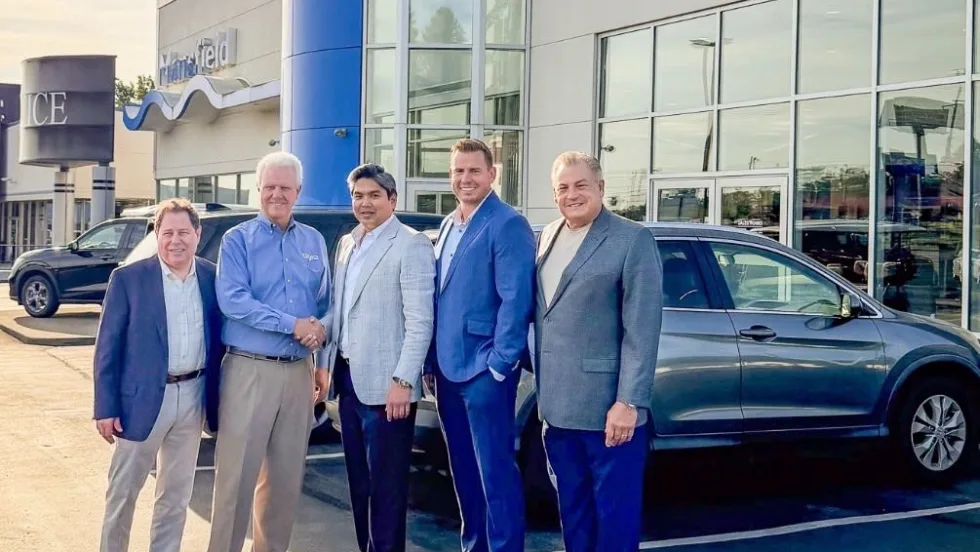
Ohio Auto Group Under New Ownership
After 79 years with the Schluter family, Mansfield Auto Group has been acquired by Missouri-based Clement Auto Group.
Read More →
RV Group Expands Carolina Footprint
Blue Compass RV Columbia Northeast is the 13th RV dealership owned by Blue Compass in the Carolinas.
Read More →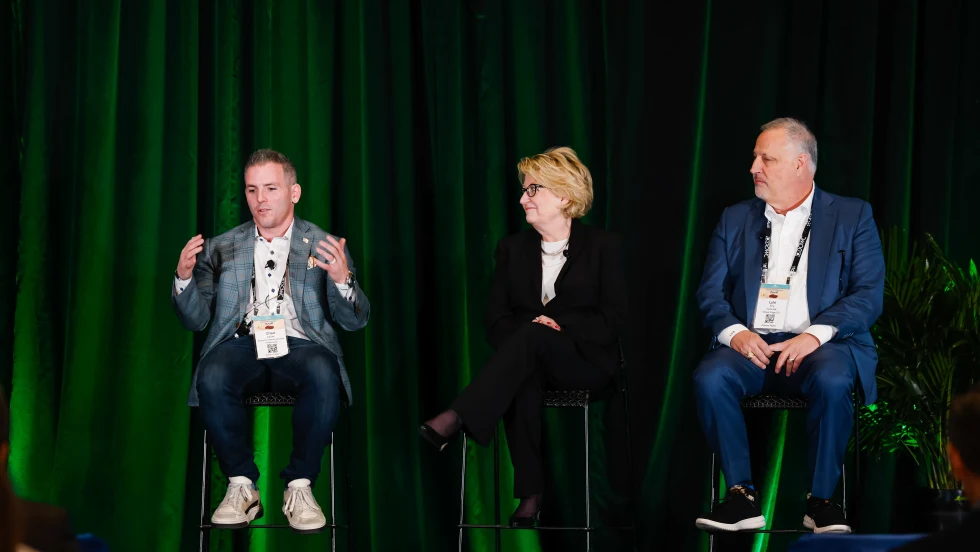
Agent Acumen
An Agent Summit panel of people who’ve been supporting auto dealers for years gave both timely and timeless advice for those starting out or mulling the prospect.
Read More →