



Crash Data Suggest Driver Error in Toyota Accidents

The U.S. Department of Transportation has analyzed dozens of data recorders from Toyota Motor Corp. vehicles involved in accidents blamed on sudden acceleration and found that the throttles were wide open and the brakes weren't engaged at the time of the crash, people familiar with the findings told The Wall Street Journal.
The early results suggest that some drivers who said their Toyotas and Lexuses surged out of control were mistakenly flooring the accelerator when they intended to jam on the brakes.
But the findings—part of a broad, ongoing federal investigation into Toyota's recalls—don't exonerate the car maker from two known issues blamed for sudden acceleration in its vehicles: "sticky" accelerator pedals that don't return to idle and floor mats that can trap accelerators to the floor.
The findings by the National Highway Traffic Safety Administration involve a sample of the reports in which a driver of a Toyota vehicle said the brakes were depressed but failed to stop the car from accelerating and ultimately crashing.
A NHTSA spokeswoman declined to comment on the findings, which haven't been released by the agency.
The data recorders analyzed by NHTSA were selected by the agency, not Toyota, based on complaints the drivers had filed with the government. Toyota hasn't been involved in interpreting the data.
The initial findings are consistent with a 1989 government-sponsored study that blamed similar driver mistakes for a rash of sudden-acceleration reports involving Audi 5000 sedans.
The Toyota findings appear to support Toyota's position that sudden-acceleration reports involving its vehicles weren't caused by electronic glitches in computer-controlled throttle systems, as some safety advocates and plaintiffs' attorneys have alleged. More than 100 people have sued the car maker over crashes they claim were the result of faulty electronics.
It is unknown how many data recorders NHTSA has read so far. The agency's investigators have been reading the data only since Toyota provided the agency with 10 reading devices in March.
Since then, investigators have responded to accidents involving sudden acceleration when the driver claims to have been stepping on the brakes.
More Industry

Auto Legends to Hall of Fame
Les Kelley of Kelley Blue Book fame and Rodney O’Neal, a transformative Delphi executive, are among a new class of five industry honorees.
Read More →
Powertrain Attitudes Divided
Common misconceptions shape car buyers’ attitudes toward the different options, giving dealerships an opportunity to educate and build trust with customers.
Read More →
Auto Group Exits U.S. Market
Sibling duo Gesell and Johnny Lillard enter Texas franchised automotive retail with the purchase of Solana Motors in Brady, Texas.
Read More →
California Calling? What's Up With the State's New CARS Act?
Should auto dealers outside of California be concerned about its new price-transparency law? Yes, and you can guide them in the right direction.
Read More →
Tennessee Transaction Latest in Buy-Sell Flurry
Four stores move from a longtime local family business to one of the country’s biggest automotive groups as part of the industry’s continued consolidation.
Read More →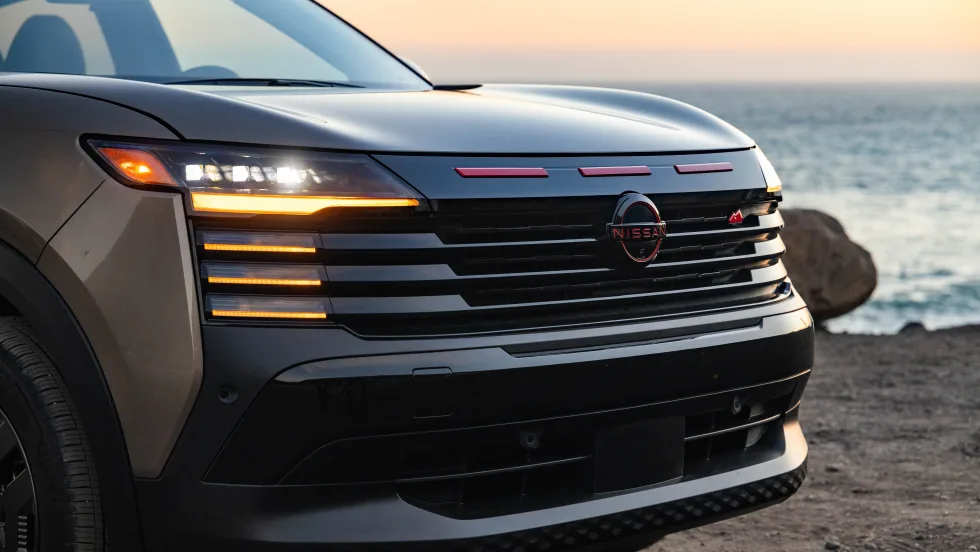
SUV Joins Safety Rankings
Thanks to a seat belt redesign, the Nissan Kicks has earned a Top Safety Pick award from the Insurance Institute for Highway Safety.
Read More →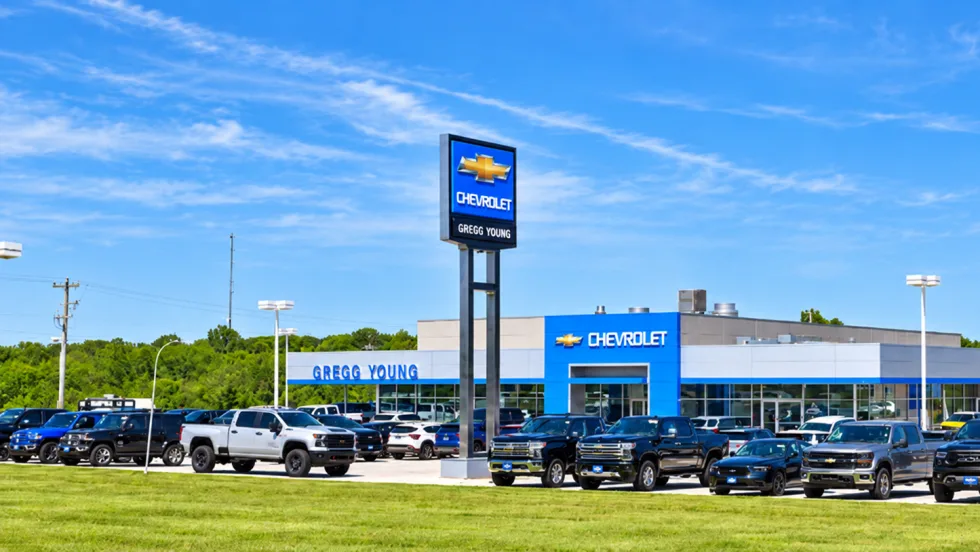
Nebraska Rooftop Changes Hands
The Gregg Young Automotive Group has sold its second dealership to Janssen Auto Group, both in Plattsmouth, Neb.
Read More →
Penske Auto Group Deal a Record
The deal to take the dealership and transportation services company private sets a new pace for industry buy-sell transactions.
Read More →
War Toll a Damper on Used Auto Prices
Cox Automotive found wholesale depreciation to be elevated in September amid high fuel prices and this year's unusual hurricane season.
Read More →
Bridge the Maintenance Gap
With many drivers missing recommended maintenance, service departments offering transparency and efficiency have a better chance of reaching financially strained consumers.
Read More →