



Cox Automotive: Implications of Fed Moving Rates Higher and Starting Quantitative Tightening
The Fed delivered on expectations today by raising the target rate for the Federal Funds Rate by half of a percentage point and announcing the plan to start reducing its balance sheet starting on June 1.


The Fed delivered on expectations today by raising the target rate for the Federal Funds Rate by half of a percentage point and announcing the plan to start reducing its balance sheet starting on June 1.
COX AUTOMOTIVE – The Fed delivered on expectations today by raising the target rate for the Federal Funds Rate by half of a percentage point and announcing the plan to start reducing its balance sheet starting on June 1. The increase in the target rate was the largest in 22 years.
The policy decision by the Fed Open Market Committee was unanimous, and financial markets reacted positively to it.
The Fed did not update rate projections, but the implication of their announcement and additional commentary is that the target rate at the end of 2022 would be higher than the 1.9% target set in March. In the press conference following the announcement, Chairman Powell said that half-point increases “will be on the table for the next couple of meetings.”
Following those increases in June and July, the market expects quarter-point increases in each of the remaining meetings of the year. With five more meetings on the calendar, that implies 175 basis points of increase on top of the 75 basis points already increased. However, Chairman Powell indicated that the committee is not actively considering any 75 basis point increases.
The Fed is clearly “highly attentive to inflation risks” and remains committed to doing whatever it takes to see inflation come down. Its tools are blunt and targeted at reducing demand.
The reduction of the balance sheet, also known as quantitative tightening, begins on June 1 with a decline of $47.5 billion per month. The reduction will then accelerate to $95 billion per month in 3 months. Quantitative tightening is expected to drive longer-term rates higher, whereas rate policy changes have a more direct impact on short-term rates.
Bond yields moved lower today. The yield on the 10-year, which is strongly correlated with consumer rates on mortgages and auto loans, had already moved higher by about 140 Basis Points (BPs) so far this year. Yields are now higher than at any point since December 2018.
Consumer rates have also been moving higher this year on all types of loans. The Fed’s latest plans, and the financial market’s response to them, will likely push rates even higher as the year progresses.
The mortgage market has been far more reactive than the auto loan market. Prior to today’s changes, the average 30-year mortgage rate had increased by 230 BPs since the end of December.
Auto loan rates have also moved higher but not by as much. Average new auto loan rates have moved up about 70 BPs year to date. Average used auto loan rates have increased about 75 BPs.
With rates expected to increase by well more than a point beyond the increases observed so far, financing costs will quickly make financing big-ticket purchases more challenging. This is exactly what the Fed wants to see. As demand for homes, cars, and other durables declines in response to declining affordability, the rate of price increases should slow as well.
Used vehicles have already returned to being depreciating assets in 2022, so that is one component of inflation that is already coming down.
The Fed’s moves likely won’t impact new vehicle sales, which are already being limited by the lack of supply. As a result, the new vehicle market is likely to remain inflationary as supply remains very tight and is not likely to improve substantially before 2023.
For consumers planning to get the lowest possible monthly payments in 2022, the clock is ticking. Keeping terms, prices, and down payment assumptions constant, an increase in an auto loan rate of a full percentage point adds about 3% to a monthly payment on the average new vehicle.
Consumers with great credit can often get better than average rates in the new-vehicle market through special financing offers from the manufacturers. However, with tight supply, the number of such offers has been dropping so far in 2022.
More Industry

Penske Auto Group Deal a Record
The deal to take the dealership and transportation services company private sets a new pace for industry buy-sell transactions.
Read More →
War Toll a Damper on Used Auto Prices
Cox Automotive found wholesale depreciation to be elevated in September amid high fuel prices and this year's unusual hurricane season.
Read More →
Bridge the Maintenance Gap
With many drivers missing recommended maintenance, service departments offering transparency and efficiency have a better chance of reaching financially strained consumers.
Read More →
California Store Has New Owner
The longtime dealership in the northern part of the state is known for robust fleet sales and has served the state capital for 115 years.
Read More →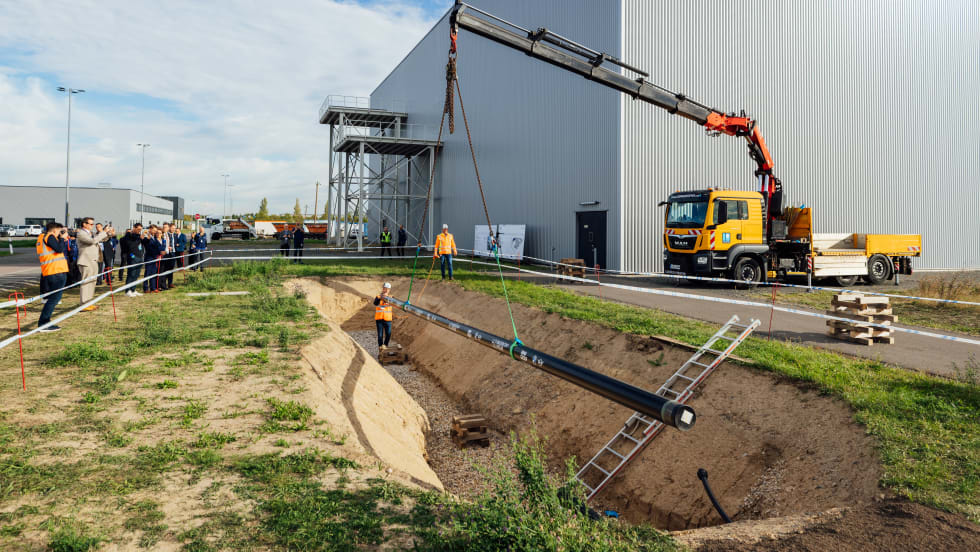
BMW Plant Pursues Cleaner Energy
BMW Group Plant Leipzig has utilized hydrogen to help power its production since 2013, but a new pipeline is planned to take it to another level.
Read More →
Auto Affordability Inches Up
The latest Cox Automotive and Moody’s Analytics index shows a slight increase in new-vehicle affordability despite high prices.
Read More →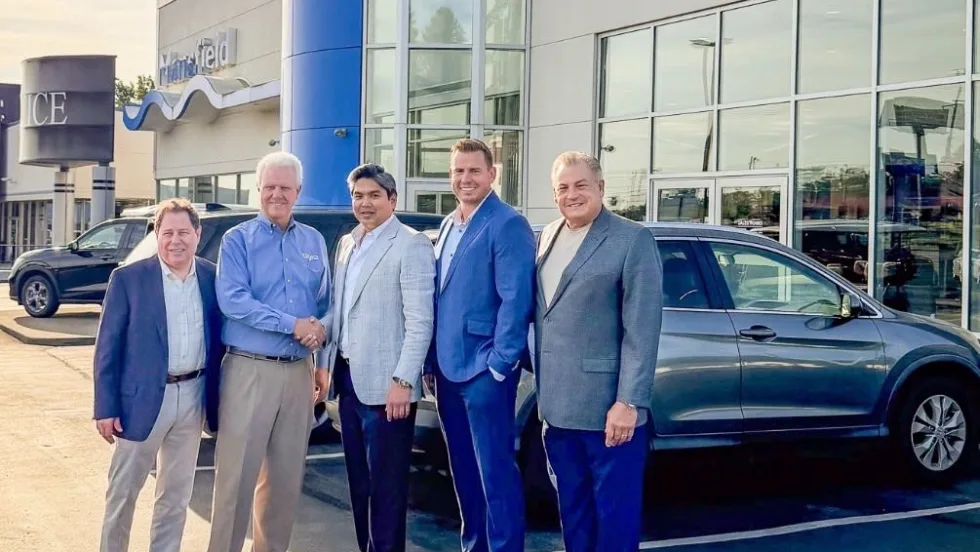
Ohio Auto Group Under New Ownership
After 79 years with the Schluter family, Mansfield Auto Group has been acquired by Missouri-based Clement Auto Group.
Read More →
RV Group Expands Carolina Footprint
Blue Compass RV Columbia Northeast is the 13th RV dealership owned by Blue Compass in the Carolinas.
Read More →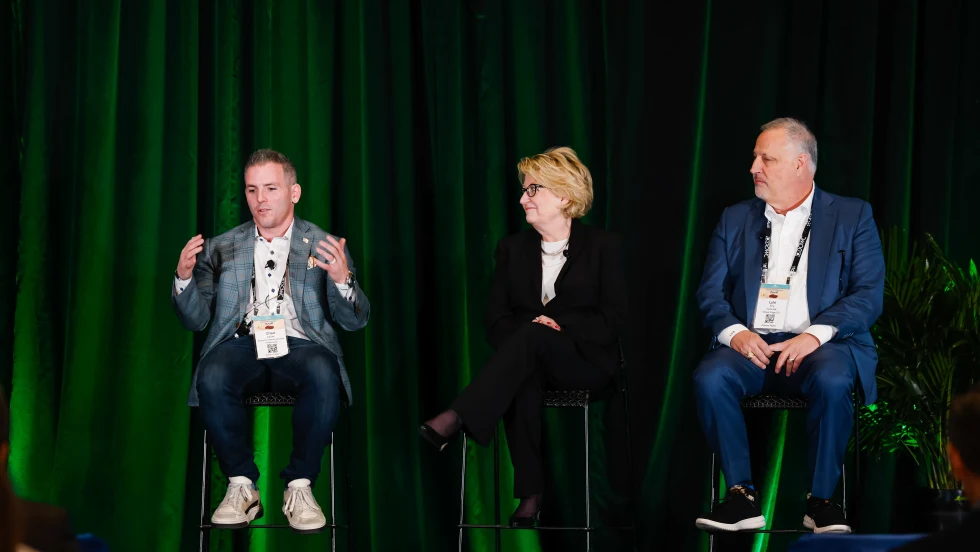
Agent Acumen
An Agent Summit panel of people who’ve been supporting auto dealers for years gave both timely and timeless advice for those starting out or mulling the prospect.
Read More →
Missed Maintenance Creates Opportunity
As families get back on the road and into daily school routines, service drives have an opportunity to capture customers who are behind on recommended vehicle maintenance.
Read More →