



Chrysler Capital, Santander Lower Cap on Dealer Participation
Chrysler Capital notified dealers on Sept. 26 that it is reducing its cap on dealer participation from two points to 1.75 points. Four days later, the company behind Chrysler Capital, Santander, said it is also reducing the cap to 1.75 points. The change, which took effect on Oct. 1, comes more than two weeks after ... Read More »

Chrysler Capital notified dealers on Sept. 26 that it is reducing its cap on dealer participation from two points to 1.75 points. Four days later, the company behind Chrysler Capital, Santander, said it is also reducing the cap to 1.75 points.
The change, which took effect on Oct. 1, comes more than two weeks after the Consumer Financial Protection Bureau (CFPB) proposed to oversee larger nonbank auto finance sources for the first time at the federal level. And both Chrysler Capital and Santander would fit the bill, ranking No. 9 and 10 on Experian Automotive’s second quarter list of top auto finance sources by market share.
Obtained by F&I and Showroom, the two dealer notices, however, make no mention of the CFPB. “Chrysler Capital watches current market conditions very carefully and we feel this change puts us in line with many other lenders who have chosen to limit dealer participation below two points,” the finance source’s notice stated.
Santander stated in its notice: “This is a basic change is not unlike any modification that SAF makes to pricing and policies regarding any of our programs.”
A spokesperson with Santander declined to comment, while Chrysler Capital did not respond to requests for comment.
In its recently released Supervisory Highlights report, which details auto-lending discrimination the CFPB has uncovered in the last two years, the bureau stated that its activities suggest that finance sources could limit pricing disparities and fair lending risks by capping dealer markups at 100 basis points.
“An institution that implements significant limits on discretionary pricing may find that it can significantly reduce certain compliance management activities, such as dealer-specific monitoring and discipline, to which the institution would otherwise need to devote significant attention and resources,” the bureau stated in its report, in part.
The two finance sources, however, didn’t go that far. And according to the National Automobile Dealers Association (NADA), the average dealer participation rate falls below the finance sources’ reduced caps and the bureau’s suggested cap.
In March 2013, the CFPB issued guidance regarding a dealer’s ability to discount interest rates offered to consumers who finance their vehicle purchases. The CFPB claimed that negotiated interest rates between dealers and their customers create a significant risk of unintentional “disparate impact” discrimination. But according to the NADA, there are a variety of legitimate business-related factors that can affect finance rates, such as beating a competing rate.
This past January, the NADA released its Fair Credit Compliance Policy & Program based on a mitigation model developed in 2007 by the Department of Justice. The program was offered as a way to address the bureau’s concerns and requirements detailed in its March 2013 bulletin.
“The NADA’s Fair Credit Compliance Policy & Program remains a very viable option for dealers to address potential fair credit risks,” read a statement the NADA issued to F&I and Showroom. “The NADA has put forth a solution. It’s a voluntary program for dealers to address potential risks in indirect auto lending while preserving the robust competition for car buying in the auto finance marketplace.”
More Industry

Penske Auto Group Deal a Record
The deal to take the dealership and transportation services company private sets a new pace for industry buy-sell transactions.
Read More →
War Toll a Damper on Used Auto Prices
Cox Automotive found wholesale depreciation to be elevated in September amid high fuel prices and this year's unusual hurricane season.
Read More →
Bridge the Maintenance Gap
With many drivers missing recommended maintenance, service departments offering transparency and efficiency have a better chance of reaching financially strained consumers.
Read More →
California Store Has New Owner
The longtime dealership in the northern part of the state is known for robust fleet sales and has served the state capital for 115 years.
Read More →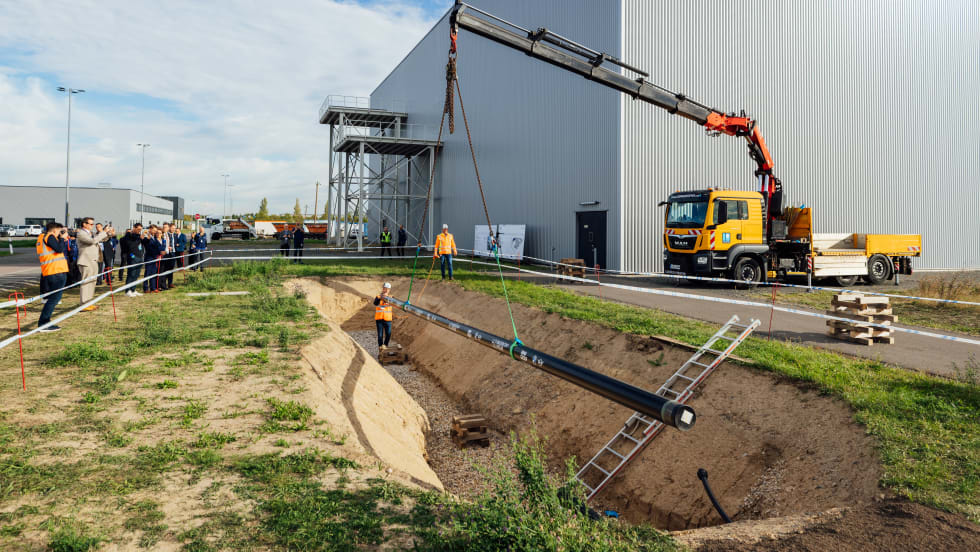
BMW Plant Pursues Cleaner Energy
BMW Group Plant Leipzig has utilized hydrogen to help power its production since 2013, but a new pipeline is planned to take it to another level.
Read More →
Auto Affordability Inches Up
The latest Cox Automotive and Moody’s Analytics index shows a slight increase in new-vehicle affordability despite high prices.
Read More →
Ohio Auto Group Under New Ownership
After 79 years with the Schluter family, Mansfield Auto Group has been acquired by Missouri-based Clement Auto Group.
Read More →
RV Group Expands Carolina Footprint
Blue Compass RV Columbia Northeast is the 13th RV dealership owned by Blue Compass in the Carolinas.
Read More →
Agent Acumen
An Agent Summit panel of people who’ve been supporting auto dealers for years gave both timely and timeless advice for those starting out or mulling the prospect.
Read More →
Missed Maintenance Creates Opportunity
As families get back on the road and into daily school routines, service drives have an opportunity to capture customers who are behind on recommended vehicle maintenance.
Read More →