



CFPB Responds to House Republicans

Washinton, D.C. — In August, the Consumer Financial Protection Bureau (CFPB) responded to a letter submitted by 35 Republican members of the U.S. House of Representatives. The letter requested information on the CFPB’s use of the disparate impact theory in its review of dealer participation programs auto finance sources offer to dealers.
In March, the bureau issued guidance that said finance sources could be held liable if the CFPB found that dealer participation programs create a bias that causes minority groups to pay higher rates. Members of Congress, however, were concerned that the bureau had not disclosed the methodology it is using to determine if discrimination occurred.
“We are all strongly opposed to any discrimination in lending,” the letter, which was issued by House Republicans on June 20, stated. “However, it is highly concerning that the agency is issuing such significant new directives without affording the public a proper opportunity to comment on its methodology and analysis for determining whether discrimination has occurred and without addressing the effect of its directives on consumer financing and choice in the intensely competitive auto lending market.”
In response to why it did not seek public comment on its indirect auto lending guidance, the CFPB said the Administrative Procedure Act “does not mandate notice and comment for general statements of policy, non-binding informational guidelines and interpretive memoranda,” the CFPB Monitor reported yesterday.
According to the CFPB Monitor, the CFPB did not offer any specifics regarding its methodology. Instead, the bureau reiterated that it uses surname and geographic proxies to conduct its analysis using unspecified, publicly available methods.
In June, the bureau responded to a similar letter sent in May by House Democrats.
“The evaluation of whether an indirect auto lender is in compliance with the “Equal Credit Opportunity Act requires multiple steps,” the CFPB wrote in its June 20 response. “A typical fair lending examination of an indirect auto lender would include a review of credit denials, interested rates quoted by the lender to the dealer (called “buy rates”), and any discretionary mark-up of the buy rate by the dealer (the interest rate quoted by the dealer to the consumer minus the “buy rate”).
“Determining whether discrimination has occurred is a case-specific and fact-intensive inquiry.”
More Industry
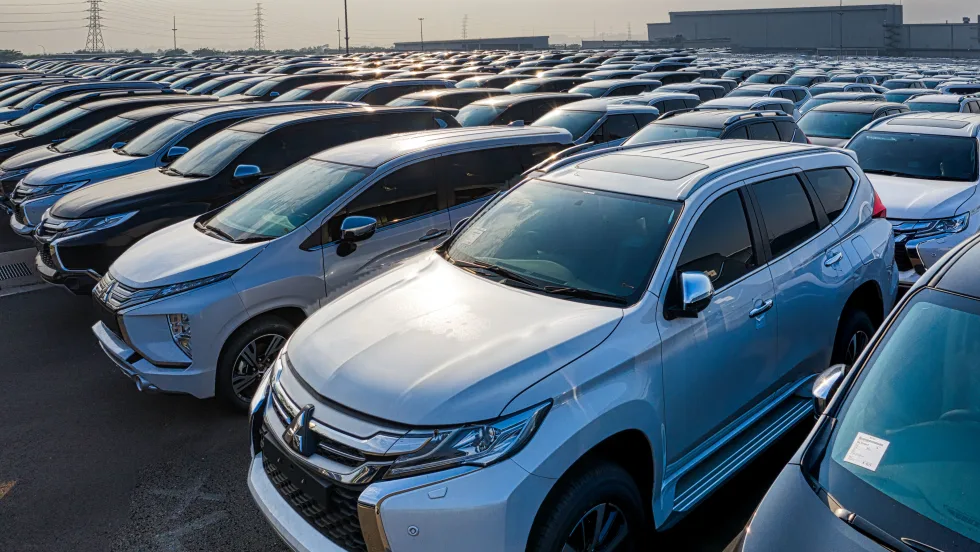
War Toll a Damper on Used Auto Prices
Cox Automotive found wholesale depreciation to be elevated in September amid high fuel prices and this year's unusual hurricane season.
Read More →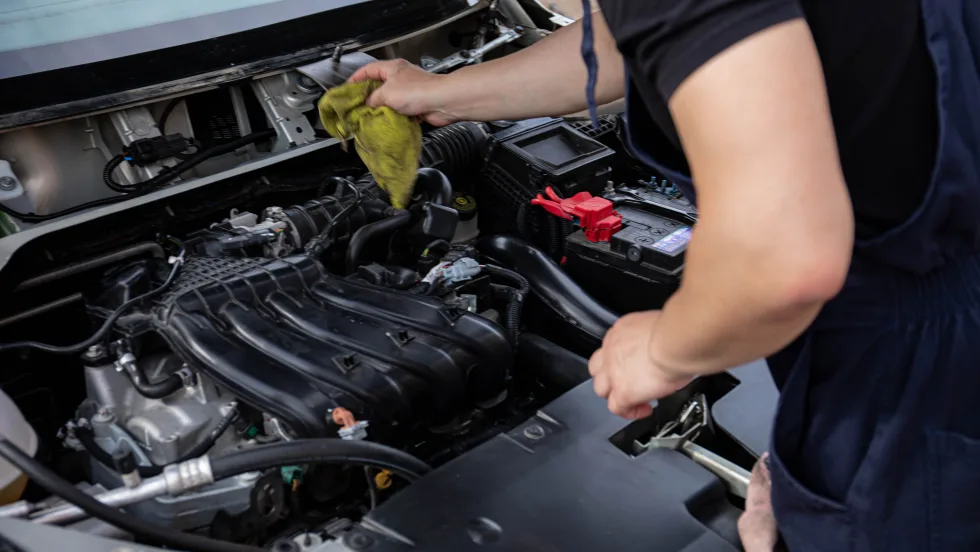
Bridge the Maintenance Gap
With many drivers missing recommended maintenance, service departments offering transparency and efficiency have a better chance of reaching financially strained consumers.
Read More →
California Store Has New Owner
The longtime dealership in the northern part of the state is known for robust fleet sales and has served the state capital for 115 years.
Read More →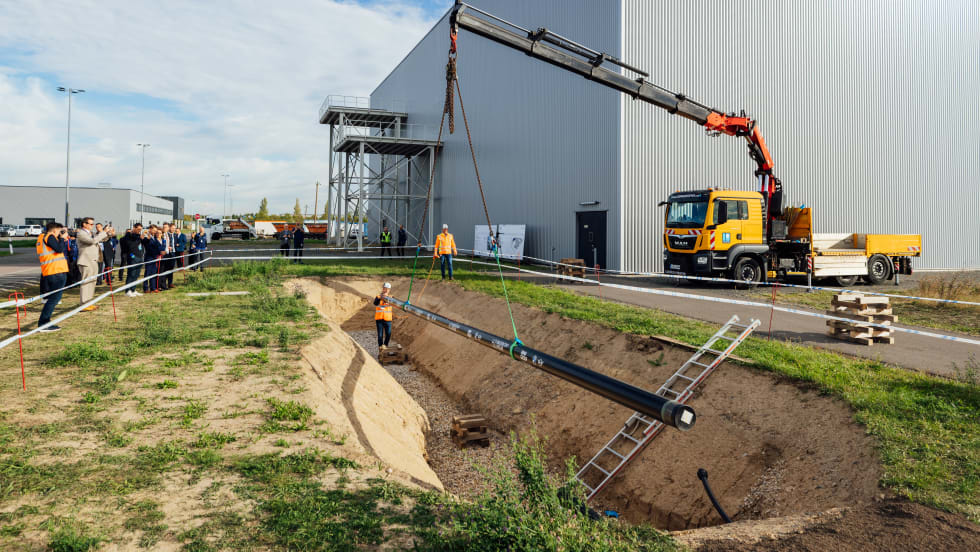
BMW Plant Pursues Cleaner Energy
BMW Group Plant Leipzig has utilized hydrogen to help power its production since 2013, but a new pipeline is planned to take it to another level.
Read More →
Auto Affordability Inches Up
The latest Cox Automotive and Moody’s Analytics index shows a slight increase in new-vehicle affordability despite high prices.
Read More →
Ohio Auto Group Under New Ownership
After 79 years with the Schluter family, Mansfield Auto Group has been acquired by Missouri-based Clement Auto Group.
Read More →
RV Group Expands Carolina Footprint
Blue Compass RV Columbia Northeast is the 13th RV dealership owned by Blue Compass in the Carolinas.
Read More →
Agent Acumen
An Agent Summit panel of people who’ve been supporting auto dealers for years gave both timely and timeless advice for those starting out or mulling the prospect.
Read More →
Missed Maintenance Creates Opportunity
As families get back on the road and into daily school routines, service drives have an opportunity to capture customers who are behind on recommended vehicle maintenance.
Read More →
Mitsubishi Unveils U.S. Plan
The automaker announced a strategy that includes an expanded lineup and dealership presence, along with more ‘rugged’ and electric models.
Read More →