



CFPB Faces Mounting Criticism, New Bipartisan Bill
WASHINTON, D.C. — The Consumer Financial Protection Bureau’s targeting of the indirect auto financing channel is taking fire once again. On Monday, the The Wall Street Journal published its second op-ed piece questioning the bureau’s tactics. Later that evening, Congressional lawmakers introduced a new bipartisan House bill that aims to rescind the CFPB’s March 2013 ... Read More »

WASHINTON, D.C. — The Consumer Financial Protection Bureau’s targeting of the indirect auto financing channel is taking fire once again.
On Monday, the The Wall Street Journal published its second op-ed piece questioning the bureau’s tactics. Later that evening, Congressional lawmakers introduced a new bipartisan House bill that aims to rescind the CFPB’s March 2013 guidance on dealer participation.
The Wall Street Journal’s April 3 editorial was titled, “Do Two Half-Victims Make a Whole Case?” It centered on Ally’s December 2013 settlement with the CFPB and the U.S. Department of Justice (DOJ), noting that the CFPB “still hasn’t distributed a nickel to the alleged victims.”
“Is it possible that victims aren’t getting paid because there are no victims?” the op-ed piece charged.
Ally agreed to pay $80 million — as well as $18 million in penalties — to 235,000 borrowers the two regulators said paid higher interest rates than nonminority borrowers. Ally, The Wall Street Journal noted, deposited the $80 million into an escrow account in January 2014.
“The CFPB won’t say how it arrived at the 235,000 figure, other than that is used a statistical method known as the Bayesian Improved Surname Geocoding,” The Wall Street Journal wrote. “It’s possible the feds counted only people that they think are highly likely to be minorities. But people familiar with their process say the bureau doesn’t like that approach. The victim totals are too low.”
The editorial was posted online seven days after The Wall Street Journal published another op-ed piece that questioned the bureau’s use of the Bayesian Improve Surname Geocoding proxy methodology to determine disparate impact to legally protected groups.
The authors of the April 6 op-ed piece also cited a study conducted by Charles River Associates for the American Financial Services Association. It found that the proxy methodology has significant error rates — a conclusion CFPB Director Richard Cordray refuted during a House Financial Services hearing last month.
“The pretext of this war on [negotiating interest rates] is a claim that auto dealers are charging minority buyers slightly higher interest rates on car loans than they’re charging similar white customers,” The Wall Street Journal wrote. “It’s really more of a guess than a claim because so far the bureau hasn’t presented evidence of particular actions by dealers to discriminate against customer on the basis of race.
“Rather, the feds look at data from thousands of loans and, based on last names and addresses of the borrowers, guess who’s black, who’s white, and so on.”
The articles follow Cordray’s appearance last March before the House Financial Services Committee to answer questions regarding the CFPB’s semiannual report to Congress and the President. After giving his testimony, Cordray fielded questions about the Charles River study in a testy exchange with committee members.
On Monday, two of the committee members, Rep. Frank Guinta (R-N.H.) and Ed Perlmutter (D-Colo.), introduced a bipartisan bill, H.R. 1737, that aims to repeal the CFPB’s March 2013 bulletin, which warned finance sources that they would be held liable for discriminatory markups on the part of dealers. It also laid out the bureau’s expectations for how rate participation policies should be managed and monitored.
“In 2013, the CFPB implemented guidance without providing a public comment period for consumers, small businesses or stakeholders to prevent families and individuals from obtaining auto financing discounts,” Congressman Guinta said in a statement issued to F&I and Showroom. “From the single, working mother in Manchester to the small business owner on the Seacoast to the hunters of the north country — this bipartisan bill will provide as many opportunities as possible for Granite Staters to receive the best financing required to achieve car ownership.”
The legislation, the “Reforming CFPB Indirect Auto Financing Guidance Act of 2015,” lists seven co-sponsors, including four Democrats and three Republicans. The proposal, which was referred to the House Committee on Financial Services, was initially introduced at the end of the 113th Congress and garnered support of 149 House Republicans and Democrats.
If passed, the bill would also require that the bureau provide a public comment period, consult with other agencies that share jurisdiction over the indirect auto finance market and disclose its testing methodologies before issuing any future guidance.
“Consumers have the right to obtain auto financing at discounted rates, and those rights should be protected, not threatened,” said National Automobile Dealers Association President Peter Welch in a press release. “There is bipartisan support in Congress to require the CFPB to consider how harmful its guidance could be to consumers, and we applaud Reps. Guinta and Perlmutter for their leadership on this issue.”
More Industry
Nebraska Rooftop Changes Hands
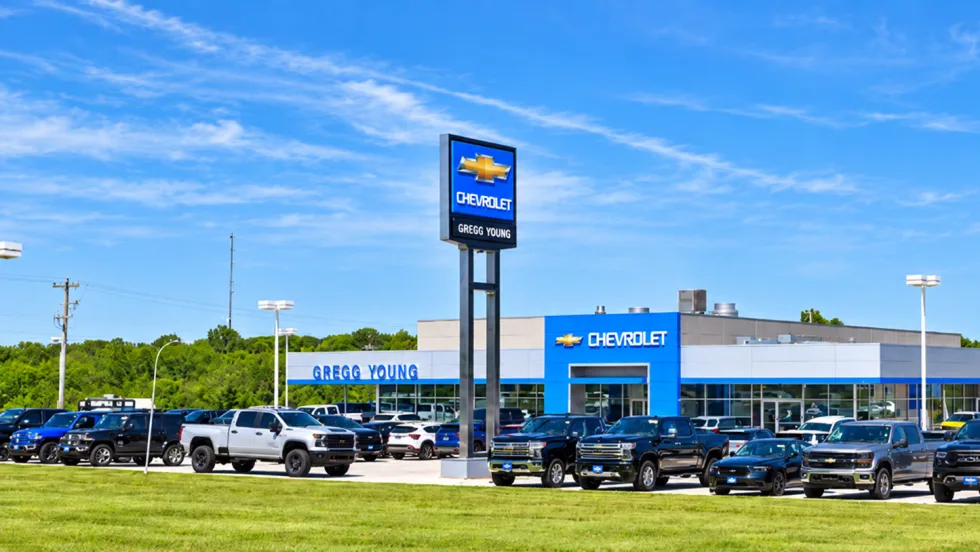
The Gregg Young Automotive Group has sold its second dealership to Janssen Auto Group, both in Plattsmouth, Neb.
Read More →
Penske Auto Group Deal a Record
The deal to take the dealership and transportation services company private sets a new pace for industry buy-sell transactions.
Read More →
War Toll a Damper on Used Auto Prices
Cox Automotive found wholesale depreciation to be elevated in September amid high fuel prices and this year's unusual hurricane season.
Read More →
Bridge the Maintenance Gap
With many drivers missing recommended maintenance, service departments offering transparency and efficiency have a better chance of reaching financially strained consumers.
Read More →
California Store Has New Owner
The longtime dealership in the northern part of the state is known for robust fleet sales and has served the state capital for 115 years.
Read More →
BMW Plant Pursues Cleaner Energy
BMW Group Plant Leipzig has utilized hydrogen to help power its production since 2013, but a new pipeline is planned to take it to another level.
Read More →
Auto Affordability Inches Up
The latest Cox Automotive and Moody’s Analytics index shows a slight increase in new-vehicle affordability despite high prices.
Read More →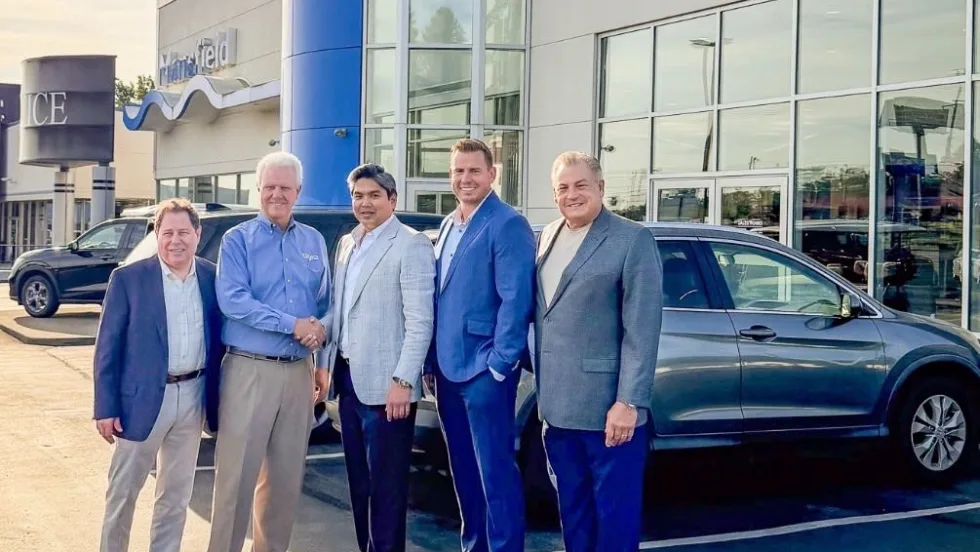
Ohio Auto Group Under New Ownership
After 79 years with the Schluter family, Mansfield Auto Group has been acquired by Missouri-based Clement Auto Group.
Read More →
RV Group Expands Carolina Footprint
Blue Compass RV Columbia Northeast is the 13th RV dealership owned by Blue Compass in the Carolinas.
Read More →
Agent Acumen
An Agent Summit panel of people who’ve been supporting auto dealers for years gave both timely and timeless advice for those starting out or mulling the prospect.
Read More →