



Carmakers Also Give U.S. Flack Over EV Tax Credit
Ford, Toyota join some countries in urging looser EV battery sourcing qualifications.

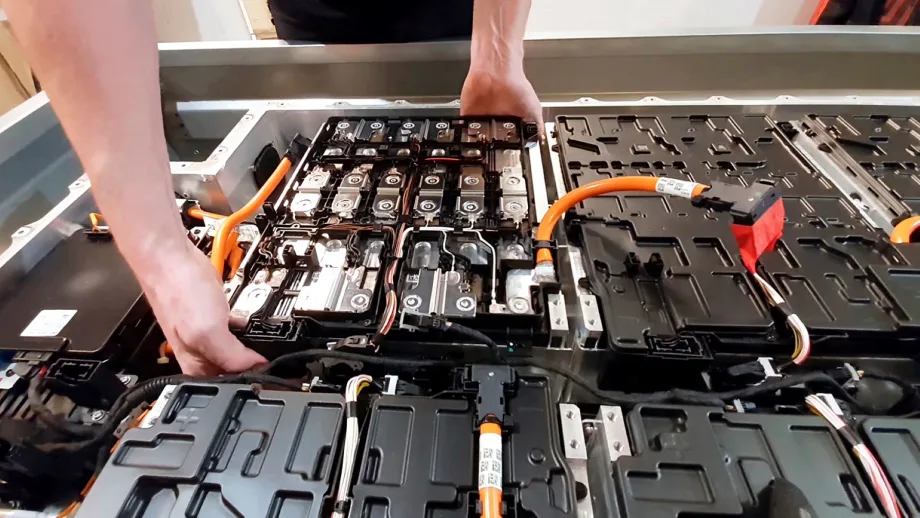
Tax credit qualification requirements limit it to vehicles whose batteries are made with materials mined, processed or recycled in the U.S. or in any of its trade partners.
IMAGE: Getty Images/Aranga87
In addition to flack from some foreign governments, the U.S. is now getting pushback from carmakers on its parameters to qualify for its new electric vehicle tax credit.
The U.S. government has gotten entreaties from the European Union and South Korea about qualification requirements that limit the credit to vehicles whose batteries are made with materials mined, processed or recycled in the U.S. or in any of its trade partners. The credit can total as much as $7,500, and carmakers are eager to see their products qualify for it.
The law authorizing the credit, though, excludes battery components that originate in China, Russia or other “foreign entities of concern.” One major motivation behind the exclusion is to help wean the U.S. from Asia-based suppliers, particularly China.
Now some carmakers are joining the chorus of those imploring the U.S. to step back from the restrictions around the tax credit. Ford and Toyota want the terms to be loosened, but some of the brands’ own raw-materials suppliers support the restrictions, Bloomberg reported.
Ford asked the government to exempt domestic suppliers from the foreign-entity qualification and to open up the credit to cars with batteries made by companies outside the U.S. if half or less of their ownerships don’t translate as “foreign entities of concern.”
Toyota asked that Japan be specifically mentioned in the tax credit law as a qualified source.
The Alliance for Automotive Innovation asked that the Internal Revenue Service consider the complexity of the overall vehicle battery supply chain as it works to finalize the law.
The tax credit’s battery-sourcing restrictions are scheduled to take effect in 2024.
READ MORE: Biden Willing to Continue EV Talks With South Korea
Originally posted on Auto Dealer Today
More Industry

Auto Affordability Inches Up
The latest Cox Automotive and Moody’s Analytics index shows a slight increase in new-vehicle affordability despite high prices.
Read More →
Ohio Auto Group Under New Ownership
After 79 years with the Schluter family, Mansfield Auto Group has been acquired by Missouri-based Clement Auto Group.
Read More →
RV Group Expands Carolina Footprint
Blue Compass RV Columbia Northeast is the 13th RV dealership owned by Blue Compass in the Carolinas.
Read More →
Agent Acumen
An Agent Summit panel of people who’ve been supporting auto dealers for years gave both timely and timeless advice for those starting out or mulling the prospect.
Read More →
Missed Maintenance Creates Opportunity
As families get back on the road and into daily school routines, service drives have an opportunity to capture customers who are behind on recommended vehicle maintenance.
Read More →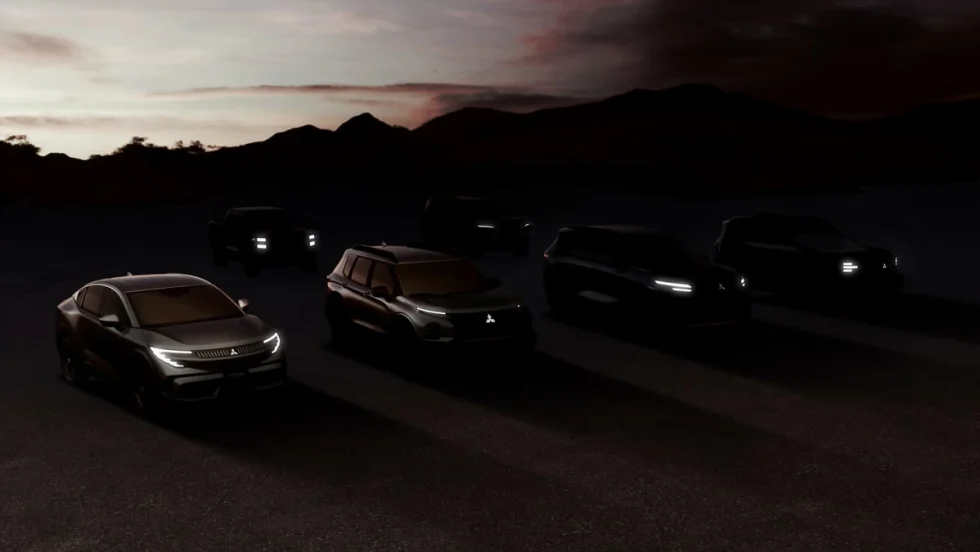
Mitsubishi Unveils U.S. Plan
The automaker announced a strategy that includes an expanded lineup and dealership presence, along with more ‘rugged’ and electric models.
Read More →
Selling to Grow
The question of whether you should sell your agency and if so, when, is up to you. But it’s a question worth asking to ensure you keep the business on the right path for yourself, employees and clients.
Read More →
Recalled Vehicles Hit 5-Year High
Though the number of events has fallen so far this year, impacted units are up significantly. Meanwhile, regulators consider consumer notification changes.
Read More →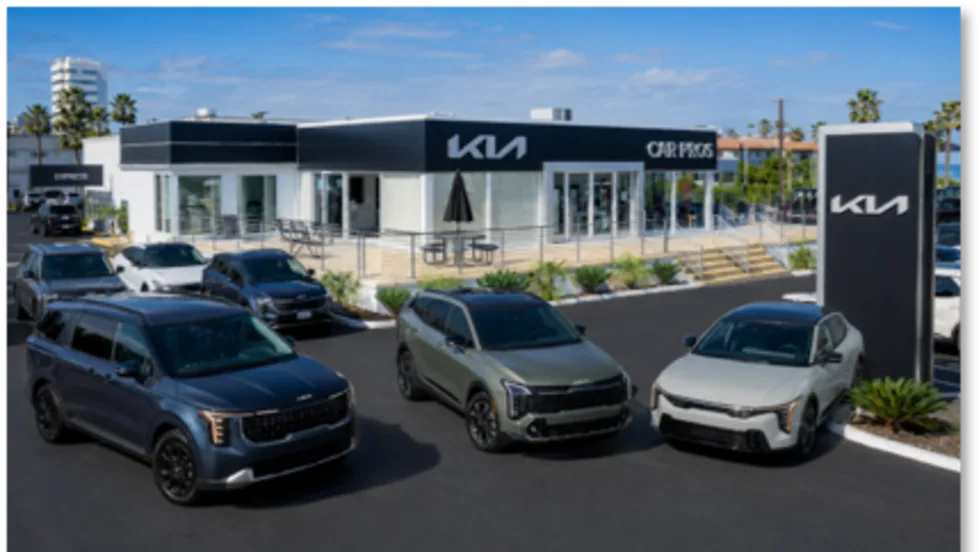
Auto Group Acquires Top-Performing Rooftop
Car Pros sold its Kia Huntington Beach location to Sutherlin Automotive Group, marking the buyer’s third location in Southern California.
Read More →
China as Pacesetter
Automotive leaders huddled on where North America stands in the global picture and how it can strengthen its position against the Asian juggernaut’s surging industry.
Read More →