



Calif. Could Require Speed Warnings in New Cars
Bill that’s passed one state legislative house would mandate visual, audible warnings when a car exceeds a speed limit by more than 10 mph.


The assembly must pass its version of the bill by Aug. 31 if it’s to advance this session.
Pexels/Luke Miller
A California bill that would require new vehicles to have what’s known as passive speed limiters, or warning signals when the vehicle exceeds posted speed limits, passed one house of the state legislature.
The state senate bill, introduced by Sen. Scott Wiener, D-San Francisco, passed the senate chamber on May 21 by a vote of 22 to 13. If passed by the state assembly and signed by the governor, it would require that all new passenger cars, trucks and buses made or sold in California be equipped with the speed limiters starting in 2032, including a 50% phase-in by 2029.
The technology is also known variously as a passive speed governor and passive Intelligent Speed Assistance, or ISA. Passive is the key word in the term, meaning the devices don’t actually limit vehicle speed but instead warn the driver if he or she exceeds a speed limit by a certain number of mph. Senate Bill 961 would require audible and visual warnings if a vehicle exceeds a posted speed limit by more than 10 mph.
Wiener, in announcing senate passage of the bill, said in a press release that it follows a recommendation by the National Transportation Safety Board to require such technology in new vehicles. He pointed to research that shows speeding dramatically increases the chance of a fatal crash, including a 2023 state Office of Traffic Safety report that a third of traffic California fatalities from 2017 to 2021 involved speed and indicating a 23% increase in speed-related crashes from 2019 to 2022.
The assembly must pass its version of the bill by Aug. 31 if it’s to advance this session.
As is the case with many legislative firsts, California regulatory moves tend to influence other states, causing a ripple effect throughout much of the country, so the action, if it becomes law, could ultimately make such speed-dampening technology standard in the industry.
The European Union will require the technology in vehicles sold there starting this July.
Originally posted on Auto Dealer Today
More Industry
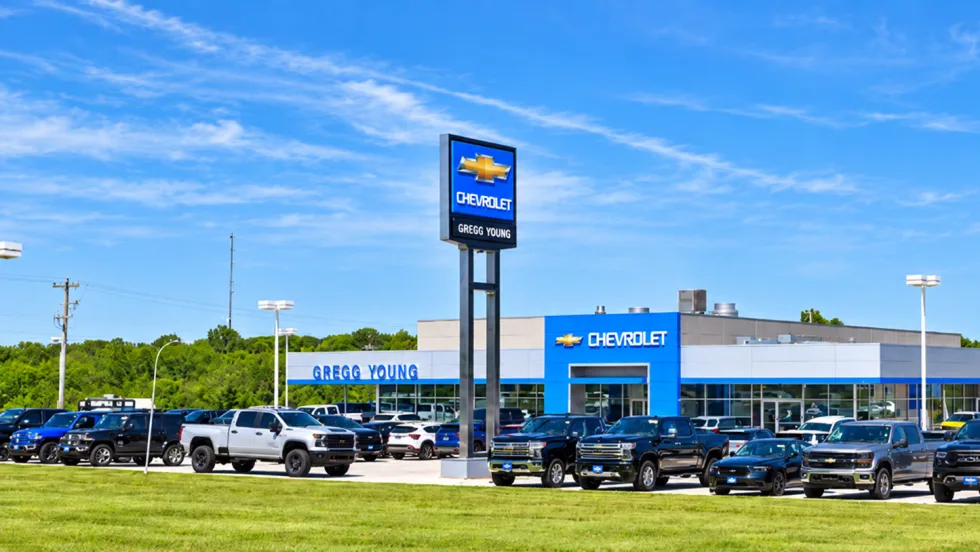
Nebraska Rooftop Changes Hands
The Gregg Young Automotive Group has sold its second dealership to Janssen Auto Group, both in Plattsmouth, Neb.
Read More →
Penske Auto Group Deal a Record
The deal to take the dealership and transportation services company private sets a new pace for industry buy-sell transactions.
Read More →
War Toll a Damper on Used Auto Prices
Cox Automotive found wholesale depreciation to be elevated in September amid high fuel prices and this year's unusual hurricane season.
Read More →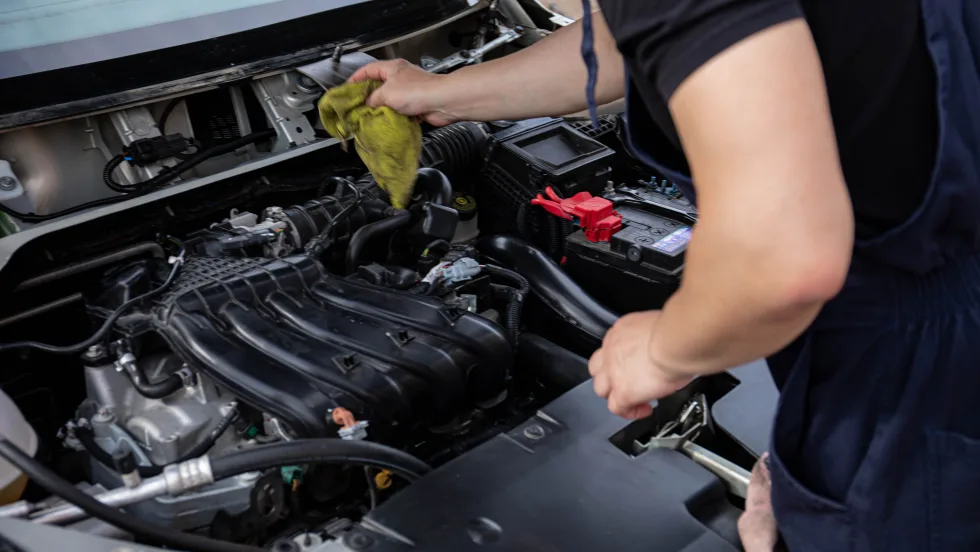
Bridge the Maintenance Gap
With many drivers missing recommended maintenance, service departments offering transparency and efficiency have a better chance of reaching financially strained consumers.
Read More →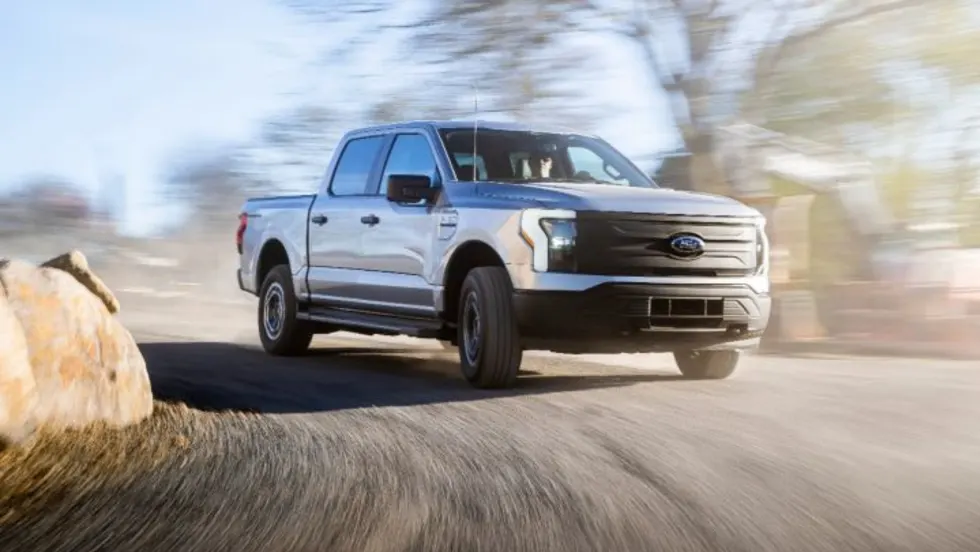
California Store Has New Owner
The longtime dealership in the northern part of the state is known for robust fleet sales and has served the state capital for 115 years.
Read More →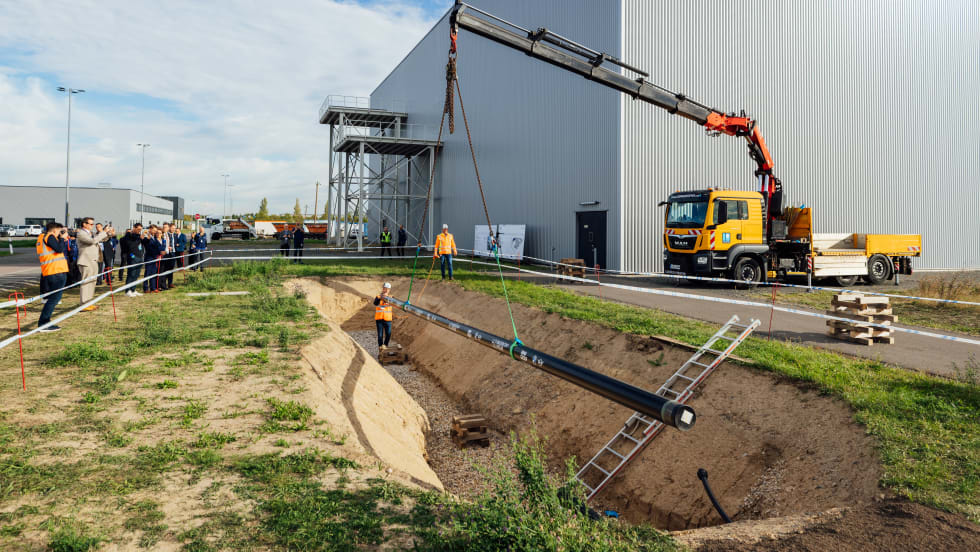
BMW Plant Pursues Cleaner Energy
BMW Group Plant Leipzig has utilized hydrogen to help power its production since 2013, but a new pipeline is planned to take it to another level.
Read More →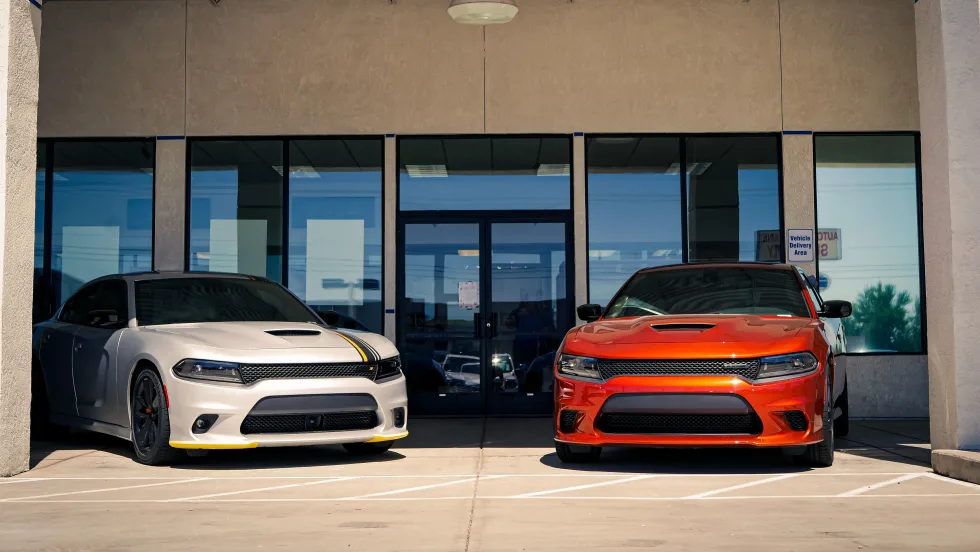
Auto Affordability Inches Up
The latest Cox Automotive and Moody’s Analytics index shows a slight increase in new-vehicle affordability despite high prices.
Read More →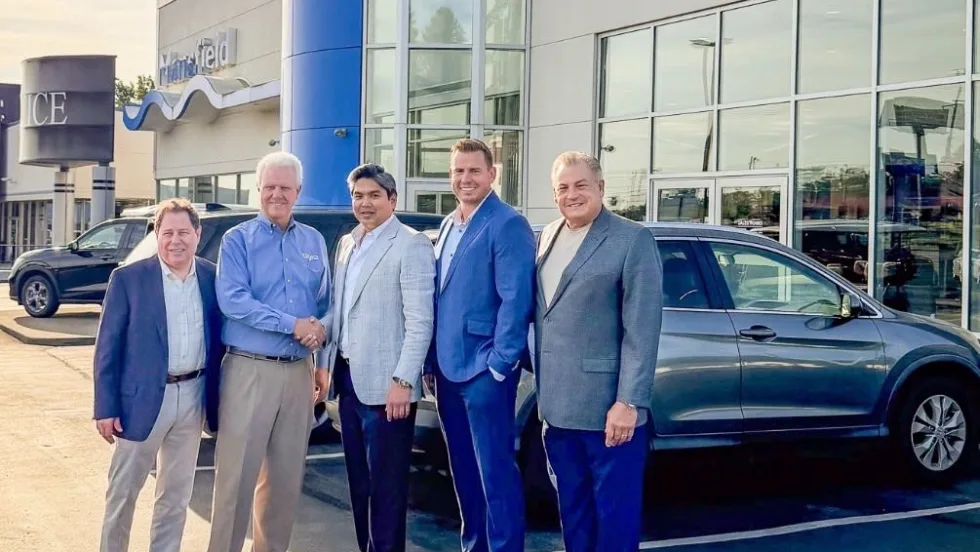
Ohio Auto Group Under New Ownership
After 79 years with the Schluter family, Mansfield Auto Group has been acquired by Missouri-based Clement Auto Group.
Read More →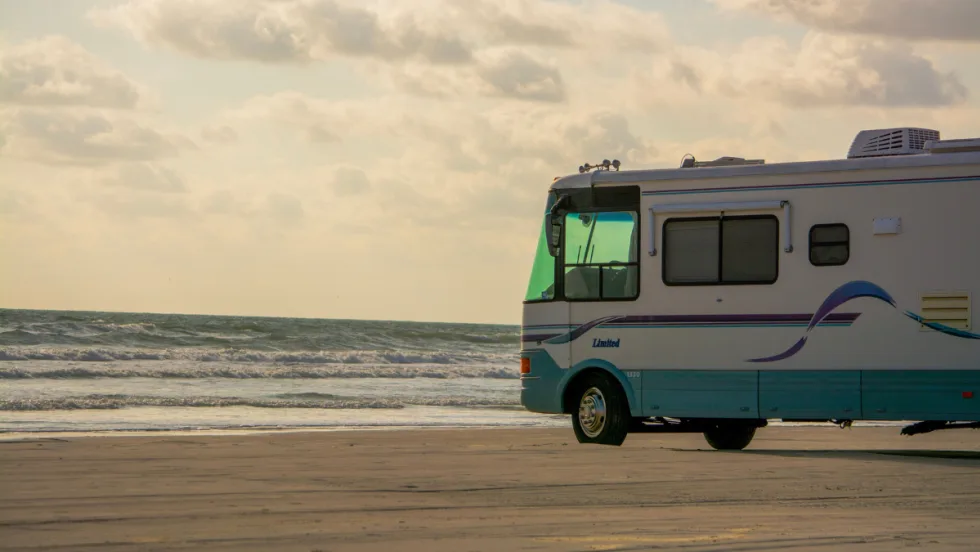
RV Group Expands Carolina Footprint
Blue Compass RV Columbia Northeast is the 13th RV dealership owned by Blue Compass in the Carolinas.
Read More →
Agent Acumen
An Agent Summit panel of people who’ve been supporting auto dealers for years gave both timely and timeless advice for those starting out or mulling the prospect.
Read More →