



Buying Used Getting Unusually Expensive
Carfax research finds little difference in price from some models’ new units

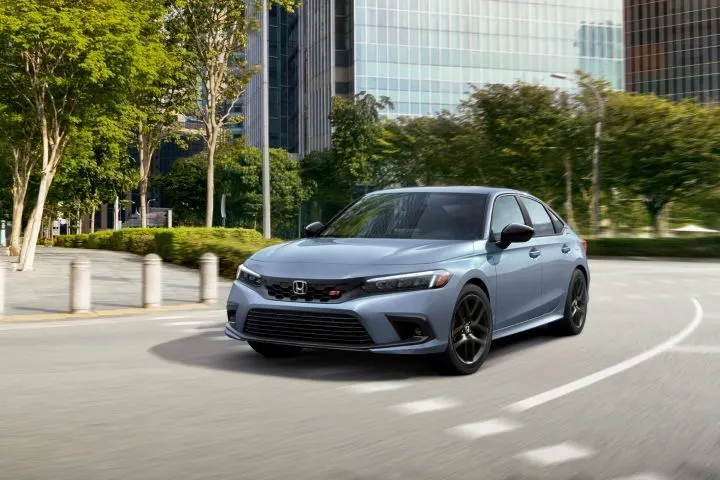
The 2023 Honda Civic is priced close to its 2025 counterpart in Carfax's recent listings.
Honda
Used-vehicle prices are getting so high that some models are approaching new-car levels.
A Carfax study found that the average used-vehicle price has reached its highest point in a year and a half to nearly $25,000, or about $1,300 more.
The vehicle data and listings provider researched its listings from September and October to uncover the phenomenon. Limited used inventory is driving the price inflation, said Carfax, which indicated supply is still under prepandemic levels due to a drop in new-vehicle sales during the peak Covid period.
“It’s rare for used and new car values to be this close,” said Carfax Editor in Chief Patrick Olsen.
Though vehicles generally lose 40% of their value after three years of ownership, Carfax determined that some well-selling models’ 2023 units are listed at prices within about 10% of their new 2025 counterparts. They include the Honda Civic and the Ford Bronco, Kia Seltos and Toyota Corolla Cross SUVs.
Taking the Civic as an example, Carfax calculates that the average price of a 2023 unit is at $24,300, compared to $27,400 for a 2025 Civic, translating to just a $25 monthly payment difference for buyers making a 10% down payment and financing over 72 months.
The company said automakers and dealers are offering consumers financing deals to juice new-vehicle buying in the inflated economy.
Originally posted on Auto Dealer Today
More Industry
Nebraska Rooftop Changes Hands
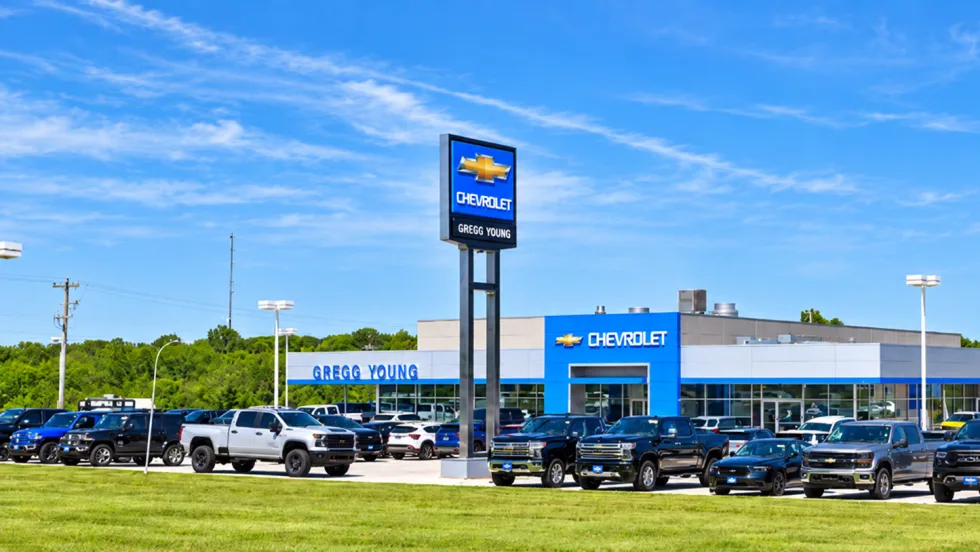
The Gregg Young Automotive Group has sold its second dealership to Janssen Auto Group, both in Plattsmouth, Neb.
Read More →
Penske Auto Group Deal a Record
The deal to take the dealership and transportation services company private sets a new pace for industry buy-sell transactions.
Read More →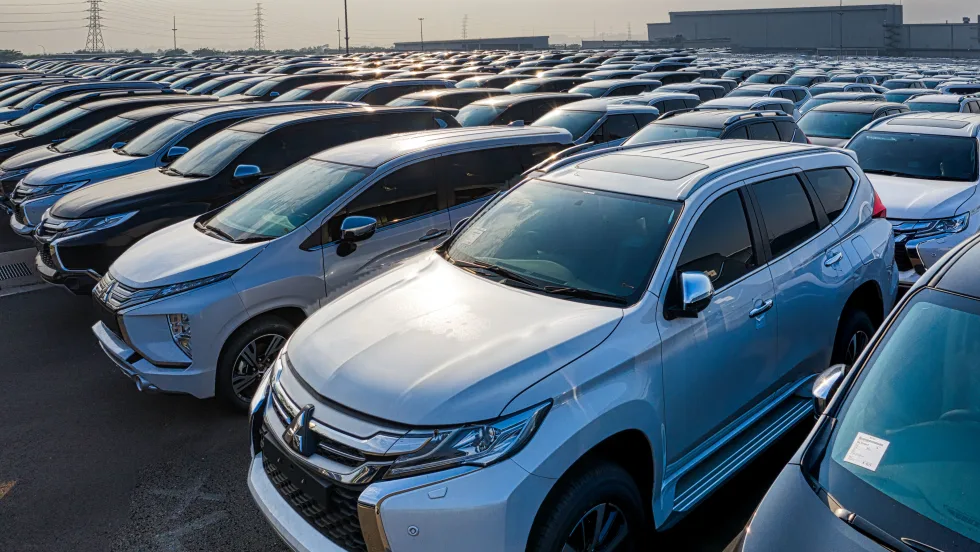
War Toll a Damper on Used Auto Prices
Cox Automotive found wholesale depreciation to be elevated in September amid high fuel prices and this year's unusual hurricane season.
Read More →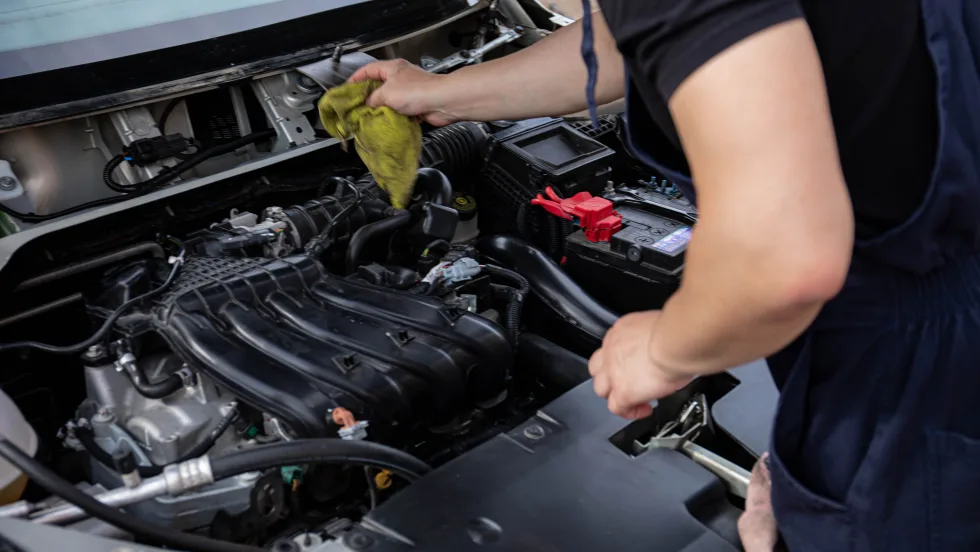
Bridge the Maintenance Gap
With many drivers missing recommended maintenance, service departments offering transparency and efficiency have a better chance of reaching financially strained consumers.
Read More →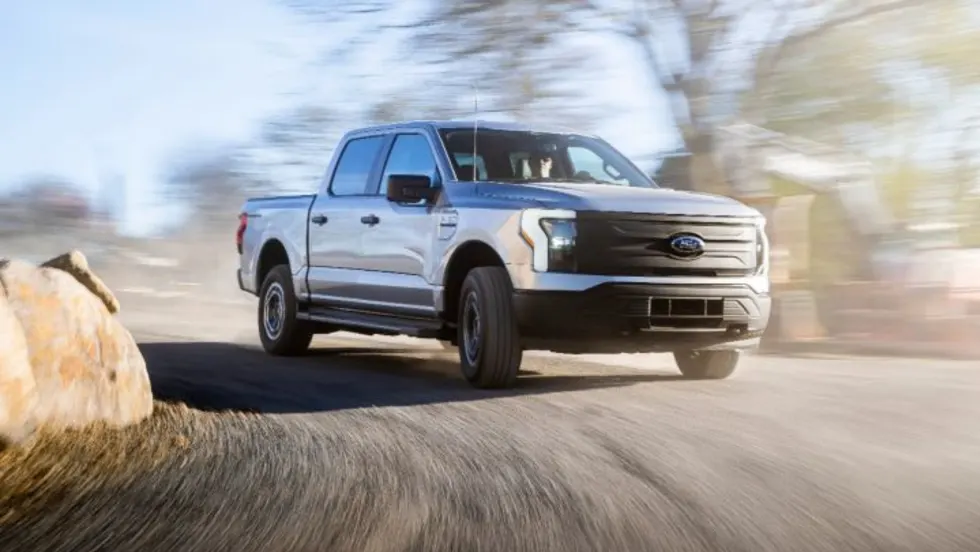
California Store Has New Owner
The longtime dealership in the northern part of the state is known for robust fleet sales and has served the state capital for 115 years.
Read More →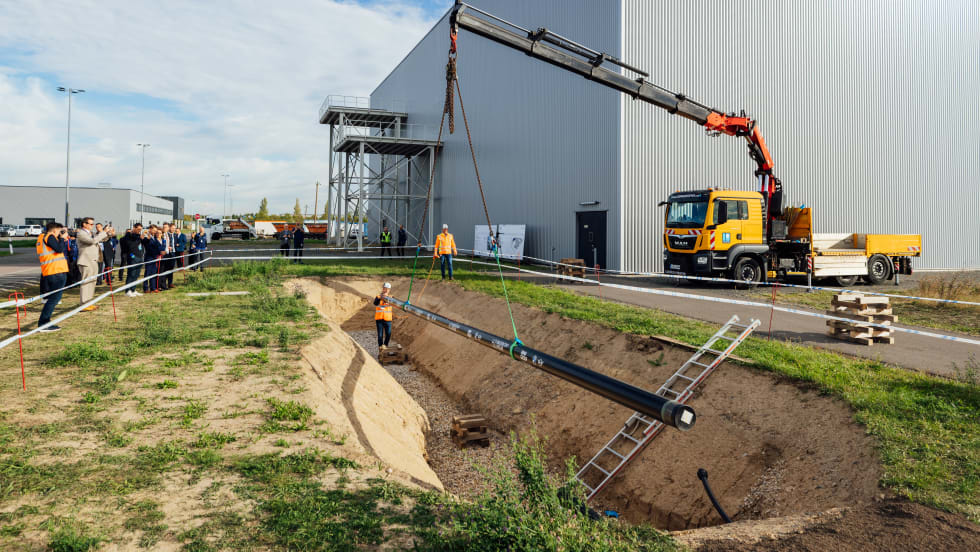
BMW Plant Pursues Cleaner Energy
BMW Group Plant Leipzig has utilized hydrogen to help power its production since 2013, but a new pipeline is planned to take it to another level.
Read More →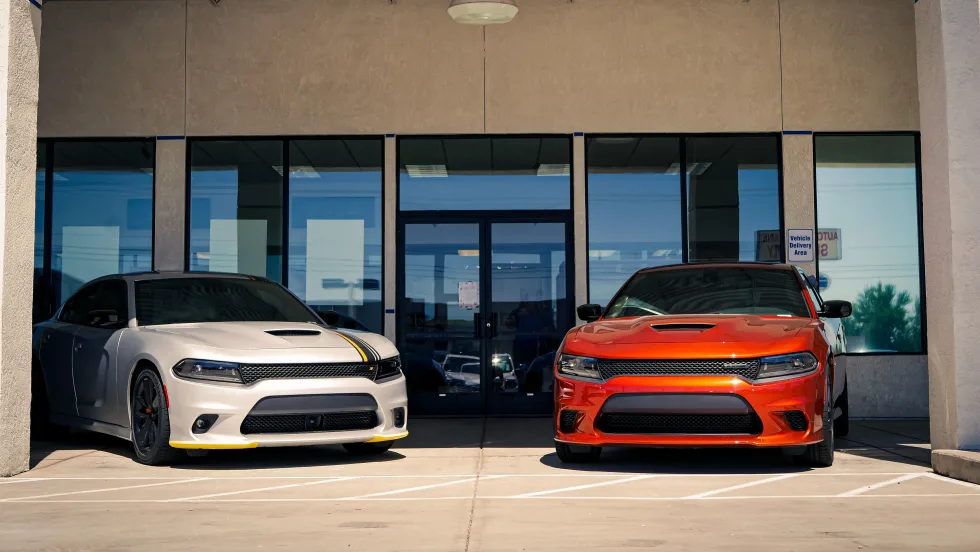
Auto Affordability Inches Up
The latest Cox Automotive and Moody’s Analytics index shows a slight increase in new-vehicle affordability despite high prices.
Read More →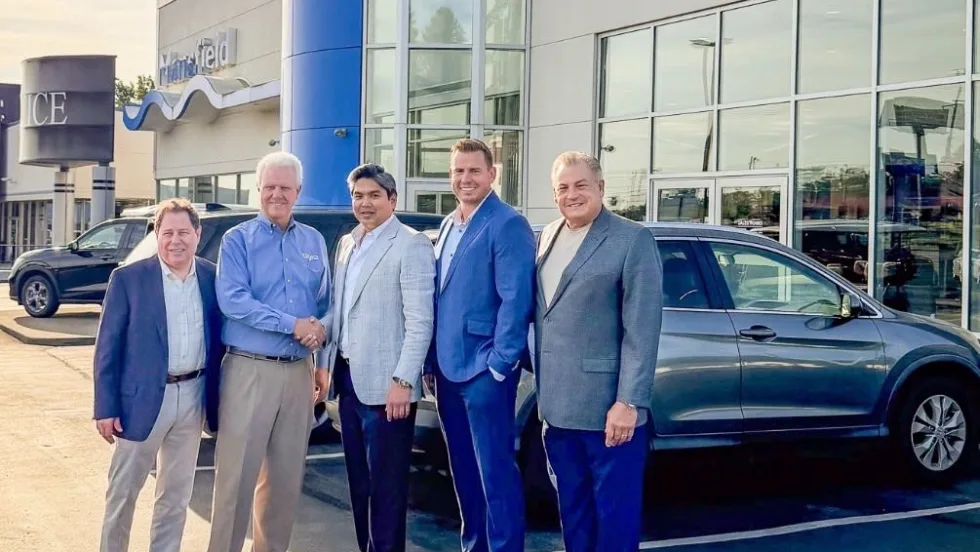
Ohio Auto Group Under New Ownership
After 79 years with the Schluter family, Mansfield Auto Group has been acquired by Missouri-based Clement Auto Group.
Read More →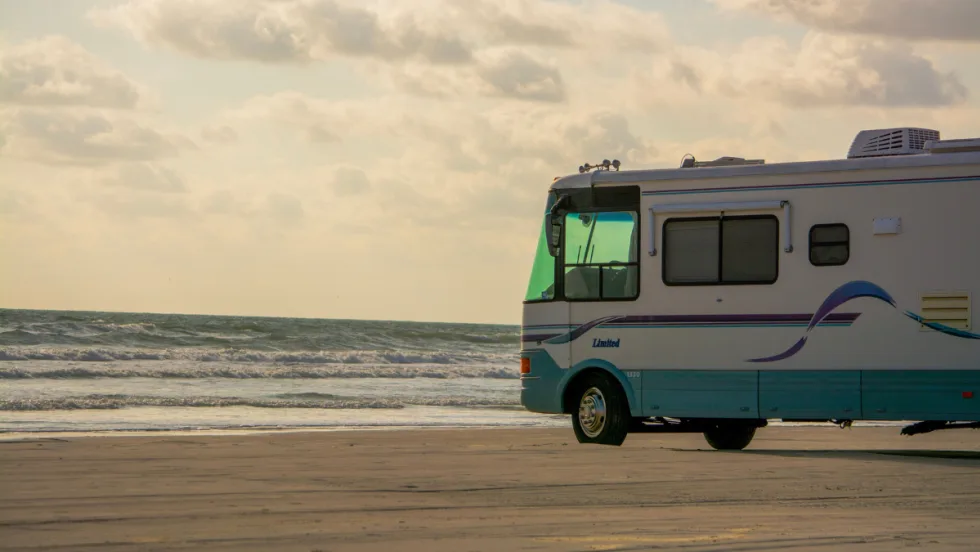
RV Group Expands Carolina Footprint
Blue Compass RV Columbia Northeast is the 13th RV dealership owned by Blue Compass in the Carolinas.
Read More →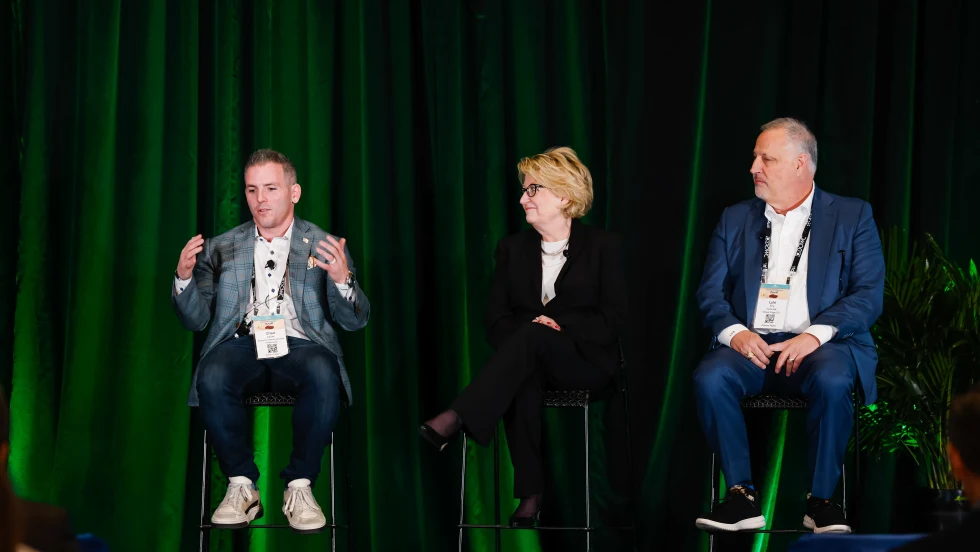
Agent Acumen
An Agent Summit panel of people who’ve been supporting auto dealers for years gave both timely and timeless advice for those starting out or mulling the prospect.
Read More →