



Buyers Pay More for New Vehicles in October
Figures based on latest Kelley Blue Book average transaction price data.


The new-vehicle average transaction price increased to $48,281.
IMAGE: Getty Images/welcomia
The average price paid for a new vehicle in the United States in October rose over September and remains above the $48,000 mark, according to data released by Kelley Blue Book, a Cox Automotive company.
The Kelley Blue Book new-vehicle average transaction price (ATP) increased to $48,281, slightly lower than the revised all-time high of $48,301 set in August. October prices rose 0.2% ($187) month-over-month and were up 3.8% ($1,775) year-over-year.
Kelley Blue Book calculations show October marks a record 17th straight month that new-vehicle ATPs bested the average manufacturer’s suggested retail price (MSRP), also known as the sticker price.
“The sales and transaction data from October clearly indicates that there are plenty of flush-with-cash buyers with strong credit still in the market and paying top dollar for new vehicles,” said Rebecca Rydzewski, research manager of economic and industry insights for Cox Automotive. “Automakers and dealers continue to hold back on incentives, as well. In all, inventory is improving, but prices remain stubbornly high.”
According to Cox Automotive estimates, new-vehicle inventory is steadily improving, though some brands have a noticeably larger supply than others. “If consumers are flexible on make and model, it will be possible to find a good deal at year-end sales events,” Rydzewski said.
Average Luxury Car Prices Up
Strong luxury vehicle sales have been a primary reason for overall elevated new-vehicle prices. Luxury vehicle share remains historically high, dropping slightly to 17.8% of total sales in October from 17.9% in September. The high share of luxury sales helps to push the overall industry ATP higher.
In October, the average luxury buyer paid $66,645 for a new vehicle, up $331 from September, when luxury ATPs reached $66,314. Buyers continue to pay more than MSRP for new luxury vehicles, although prices are trending closer to or below sticker prices in some luxury segments.
BMW and Porsche showed the most price strength in the luxury market, transacting between 3% and 5.5% over sticker price. Luxury brands Acura, Cadillac and Mercedes-Benz showed the least price strength, selling 1% or more below MSRP.
Average Nonluxury Prices Up, Stay Above Sticker
The average price paid for a new nonluxury vehicle in October was $44,288, up $142 month-over-month. On average, car shoppers in the nonluxury segment paid $690 above sticker price, a slight drop.
Most nonluxury brands had stable pricing or declines in October. Honda, Hyundai and Kia showed the greatest price strength in the nonluxury market, transacting between 4% and 8% over sticker price. Meanwhile, Buick showed the least price strength, selling 1% or more below MSRP.
EV Prices Fall But Up From a Year Earlier
The average price paid for a new EV fell in October by $2,286, or 2.3%, compared to September but was up by 7% year-over-year. The average new EV price was $64,249, according to Kelley Blue Book estimates, well above the industry average and aligning more with luxury prices versus mainstream prices.
Manufacturer Incentives Still Historically Low
Incentives remained stable in October at 2.1% of the average transaction price. A year earlier, incentives averaged 4.3% of ATP. Luxury cars had the highest incentives at 4.4% of ATP. Meanwhile, high-performance cars, vans, minivans and luxury full-size SUVs/crossovers had the lowest incentives, all less than 1% of ATP.
Originally posted on Auto Dealer Today
More Industry

Auto Affordability Inches Up
The latest Cox Automotive and Moody’s Analytics index shows a slight increase in new-vehicle affordability despite high prices.
Read More →
Ohio Auto Group Under New Ownership
After 79 years with the Schluter family, Mansfield Auto Group has been acquired by Missouri-based Clement Auto Group.
Read More →
RV Group Expands Carolina Footprint
Blue Compass RV Columbia Northeast is the 13th RV dealership owned by Blue Compass in the Carolinas.
Read More →
Agent Acumen
An Agent Summit panel of people who’ve been supporting auto dealers for years gave both timely and timeless advice for those starting out or mulling the prospect.
Read More →
Missed Maintenance Creates Opportunity
As families get back on the road and into daily school routines, service drives have an opportunity to capture customers who are behind on recommended vehicle maintenance.
Read More →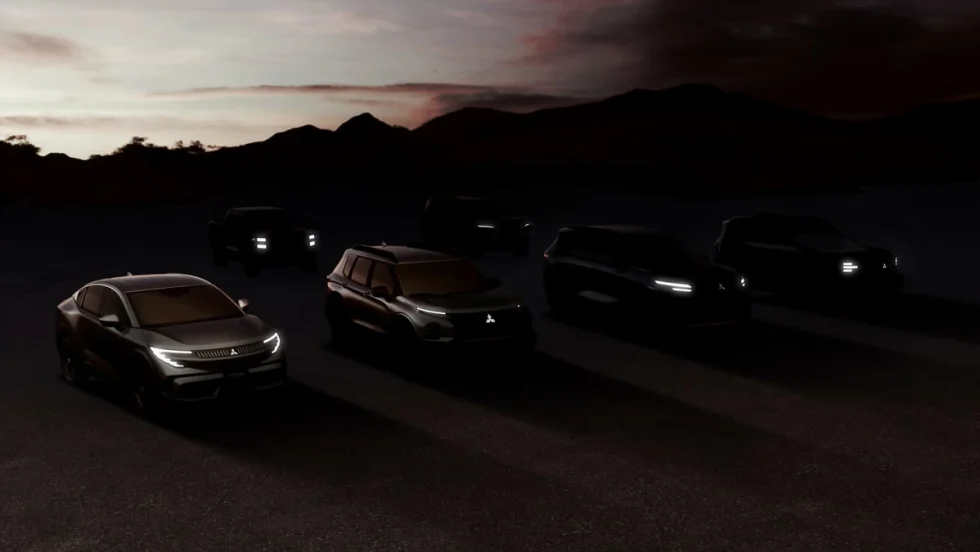
Mitsubishi Unveils U.S. Plan
The automaker announced a strategy that includes an expanded lineup and dealership presence, along with more ‘rugged’ and electric models.
Read More →
Selling to Grow
The question of whether you should sell your agency and if so, when, is up to you. But it’s a question worth asking to ensure you keep the business on the right path for yourself, employees and clients.
Read More →
Recalled Vehicles Hit 5-Year High
Though the number of events has fallen so far this year, impacted units are up significantly. Meanwhile, regulators consider consumer notification changes.
Read More →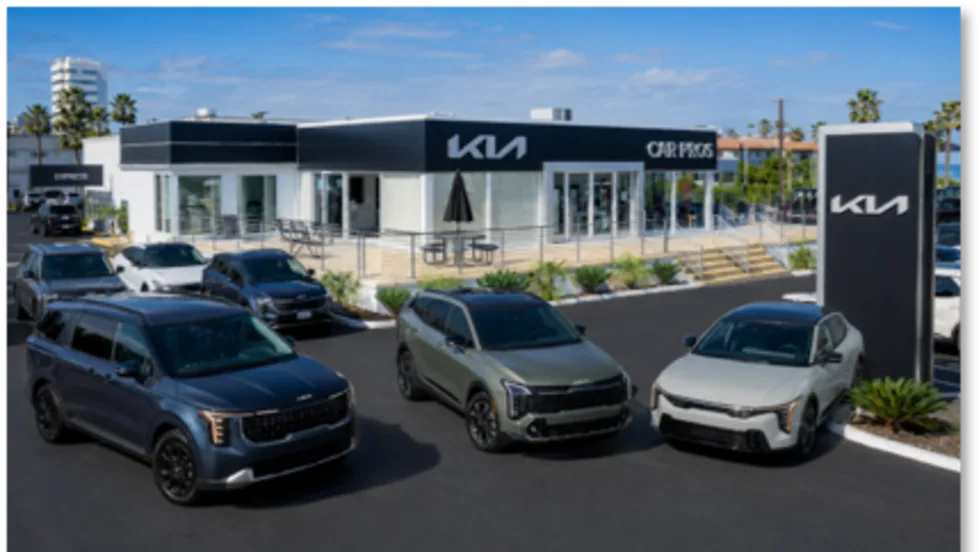
Auto Group Acquires Top-Performing Rooftop
Car Pros sold its Kia Huntington Beach location to Sutherlin Automotive Group, marking the buyer’s third location in Southern California.
Read More →
China as Pacesetter
Automotive leaders huddled on where North America stands in the global picture and how it can strengthen its position against the Asian juggernaut’s surging industry.
Read More →