



Black Book: Market Insights Report
The Estimated Average Weekly Sales Rate dropped to 60% last week.

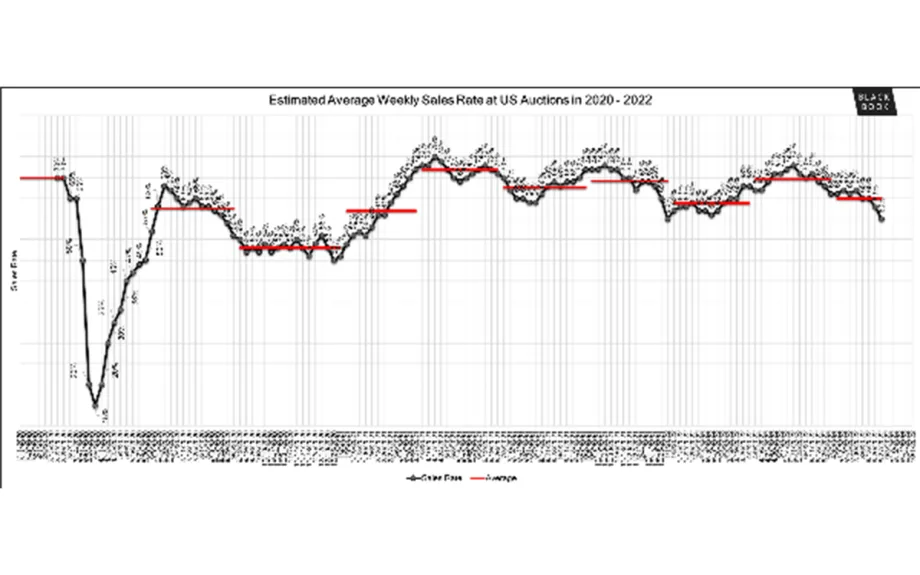
The Estimated Average Weekly Sales Rate dropped to 60% last week.
Wholesale Prices, Week Ending August 27th
Vehicle values and conversion rates continued to decline last week at auctions, but not all segments had the same experience. One of the notable differences was the 2-to-8-year-old Compact Cars that reported a decline of -0.63%, compared with the 0-to-2-year old Compacts that increased +0.03%.
This Week Last Week 2017-2019 Average (Same Week)
Car segments -0.77% -0.87% -0.10%
Truck & SUV segments -0.95% -0.96% -0.14%
Market -0.89% -0.93% -0.12%
Car Segments
On a volume-weighted basis, the overall Car segment decreased -0.77%. For reference, the previous week, cars decreased by -0.87%.
All nine Car segments decreased last week.
Sub-Compact Cars have now declined for nine weeks straight, but the average rate of decline (-0.22%) has been well below the overall Car market declines (-0.62%).
The Near Luxury Car segment reported the largest decline last week, at -0.97%, which is less than the prior week’s -1.02% decline.
Newer (0-to-2-year-old) used Compact Cars increased +0.03%, compared to the 2-to-8-year-old models that decreased -0.63%. Last week’s decline was significantly less than the prior week’s depreciation of -1.22%.
Truck / SUV Segments
The volume-weighted, overall Truck segment decreased -0.95%, compared to the prior week’s decrease of -0.96%.
All thirteen truck segments reported decreases.
Compact Luxury (-1.86%) and Full-Size Luxury (-1.51%) Crossover/SUV segments had the largest declines last week.
Full-Size Vans continued to decline last week, bur the rate of decline was very minimal at -0.01%, compared with -0.24% last week.
Compact Vans are a very small segment but are also slowing in their rate of weekly depreciation, -0.28% last week compared with -0.83% the week prior.
Weekly Wholesale Index
Calendar year 2020 and 2021 ended with used wholesale prices at elevated levels. With economic patterns (including the automotive market) driven by the pandemic, normal seasonal patterns (e.g., 2019 calendar year) in the wholesale market were not observed for most of the last 2 years. We saw a similar picture in 2009, at the end of the Great Recession. Calendar year 2021 did not have typical seasonality patterns as the market had rapid increases in wholesale values for the majority of the year. The Wholesale Weekly Price Index reached the highest point of the year at the end of December 2021, reporting over 1.51 points.
The graph below looks at trends in wholesale prices of 2-6-year-old vehicles, indexed to the first week of the year. The index is computed keeping the average age of the mix constant to identify market movements.
Retail (Used and New) Insights
Lucid announced their Lucid Air Sapphire sedan, a performance version with tri-motor layout and over 1,200 hp.
Recently, Dodge announced that the current Charger and Challenger models will be discontinued after the 2023 model year. They just unveiled the first of their seven Last Call models, as part of the Dodge Challenger Shakedown; with only 1,000 being produced, this Last Call model is expected to be based on the Dodge Challenger R/T Scat Pack widebody variant.
Honda will partner with LG Energy Solution as part of a $4.4 billion investment to build lithium-ion batteries in the U.S. for Honda and Acura brand electric vehicles.
Nissan will end production of the Rogue Sport crossover in December as they turn their focus to higher-volume models and plan for their electric future.
Audi teased a potential full-electric coupe with the activesphere concept, which could replace Audi’s TT Coupe. Other fully electric concepts including skysphere, grandsphere, and urbansphere were displayed for the first-time during Monterey Car Week.
Used Retail Prices
Used Retail Prices are more accessible than in years past, due to the proliferation of ‘no-haggle pricing’ for used-vehicle retailing. Transparent pricing upfront makes the car buying process more enjoyable for customers and allows Black Book to accurately measure retail market trends.
At the on-set of the pandemic, in CY2020, used retail prices increased slightly, following typical seasonal patterns, and then began dropping in April, finally hitting a low point in the late spring months. By late summer of CY2020, Used Retail Prices increased as supply of new vehicle inventory started to become scarce, but retail demand slowed down at the end of CY2020, resulting in declining retail asking prices for the last several weeks of the year. When CY2021 kicked off, demand rebounded while retail prices lagged slightly behind wholesale prices; March of 2021 started the dramatic increases in Used Retail Prices, fueled by stimulus payments, tax season, and shortages of new inventory. During the third quarter, retail prices continued to rise at a slower rate but soon picked up the pace once again to start the fourth quarter. In Q4, prices on retail listings steadily increased week after week. As CY2021 came to an end, the retail listing price index closed 36% above where the year began.
Now in 2022, the Retail Listings Price Index has remained relatively unchanged. In fact, retail price trends for this year look very similar to the pre-pandemic 2019’s trend.
This analysis is based on approximately two million vehicles listed for sale on U.S. dealer lots. The graph below looks at 2-6-year-old vehicles. The Index is computed keeping the average age of the mix constant to identify market movements.
Inventory
Used Retail
Used Retail Listing Volume has increased slightly as demand for used vehicles weakened.
The Used Retail Days-to-Turn Estimate has increased over the last month and is now around 45 days.
Wholesale
The wholesale market last week stayed consistent, with model year 2022 vehicles trickling in through the lanes at a low rate. Newer model years (model year 2019 to 2021) were still being seen with clean conditions and average mileage. Compared to weeks prior, large independent dealers popped up in some lanes occasionally, but smaller franchise dealers were still taking advantage of the absence of the large independent dealers and dominated the lanes. Sales rates were down along with inventory, as sellers are holding tight on floors. The prices of Gas and Diesel continued to follow the downward trend. Although all Car and Truck Segments decreased overall, it was seen that the newer model years (0-2 years) compact cars increased slightly. In the Car Segments, everything still decreased, but not as much as prior weeks. Near Luxury, Mid-Size, and Luxury Cars decreased the most. In the Truck Segments, Compact Luxury Crossover, Full-Size Luxury Crossover, and Small Pickups decreased the most.
The Estimated Average Weekly Sales Rate dropped to 60% last week.
Originally posted on F&I and Showroom
More Industry
Tennessee Transaction Latest in Buy-Sell Flurry
Four stores move from a longtime local family business to one of the country’s biggest automotive groups as part of the industry’s continued consolidation.
Read More →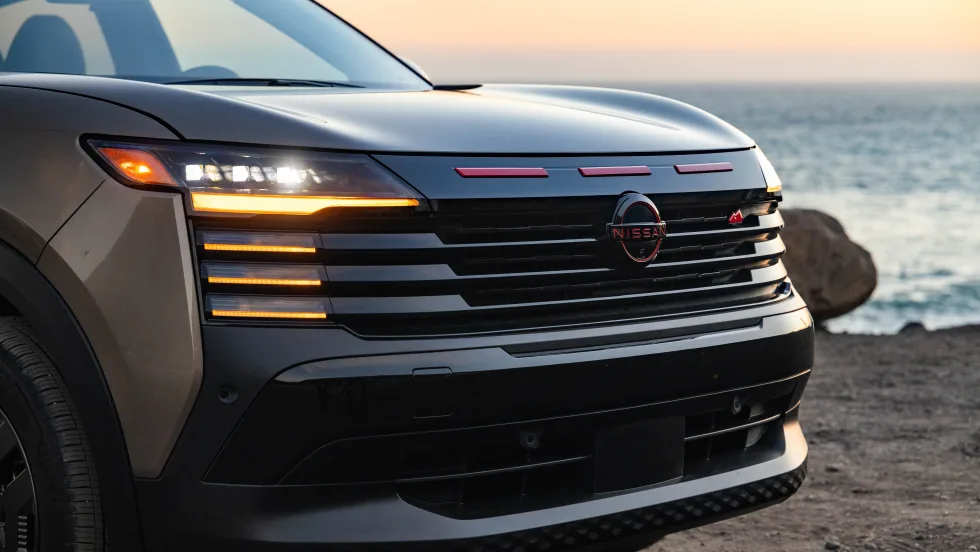
SUV Joins Safety Rankings
Thanks to a seat belt redesign, the Nissan Kicks has earned a Top Safety Pick award from the Insurance Institute for Highway Safety.
Read More →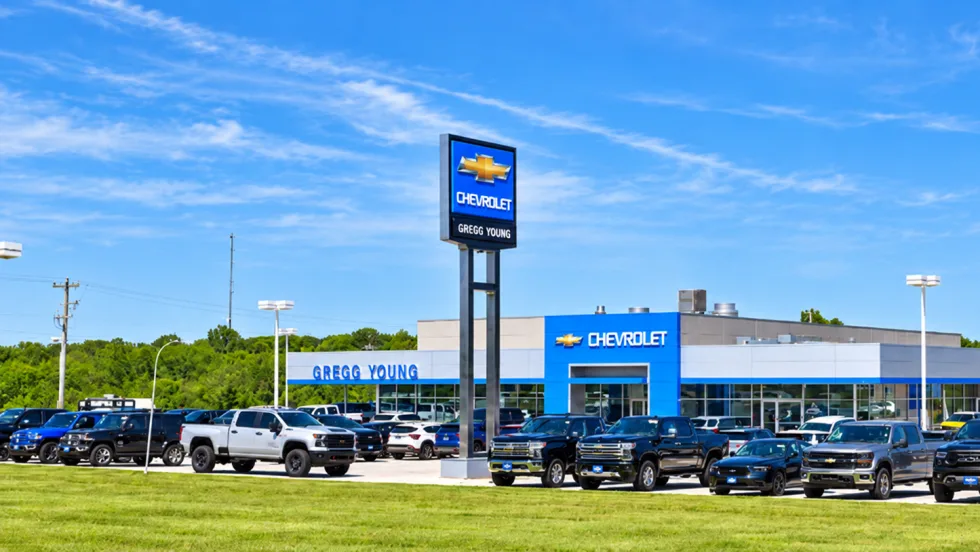
Nebraska Rooftop Changes Hands
The Gregg Young Automotive Group has sold its second dealership to Janssen Auto Group, both in Plattsmouth, Neb.
Read More →
Penske Auto Group Deal a Record
The deal to take the dealership and transportation services company private sets a new pace for industry buy-sell transactions.
Read More →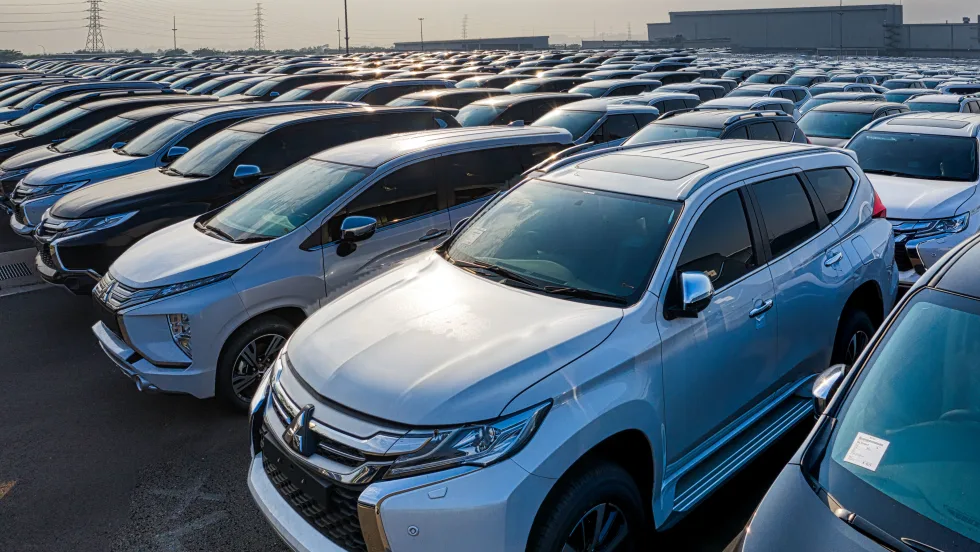
War Toll a Damper on Used Auto Prices
Cox Automotive found wholesale depreciation to be elevated in September amid high fuel prices and this year's unusual hurricane season.
Read More →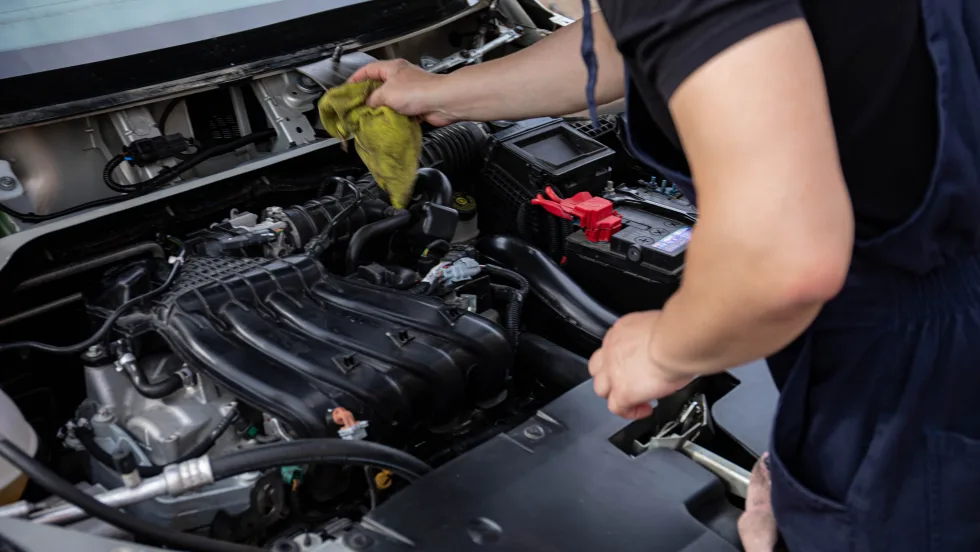
Bridge the Maintenance Gap
With many drivers missing recommended maintenance, service departments offering transparency and efficiency have a better chance of reaching financially strained consumers.
Read More →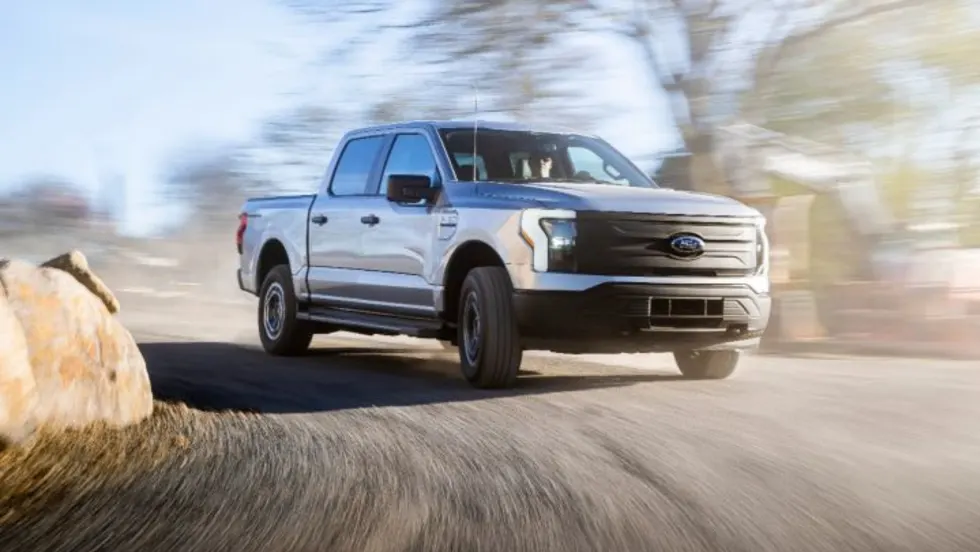
California Store Has New Owner
The longtime dealership in the northern part of the state is known for robust fleet sales and has served the state capital for 115 years.
Read More →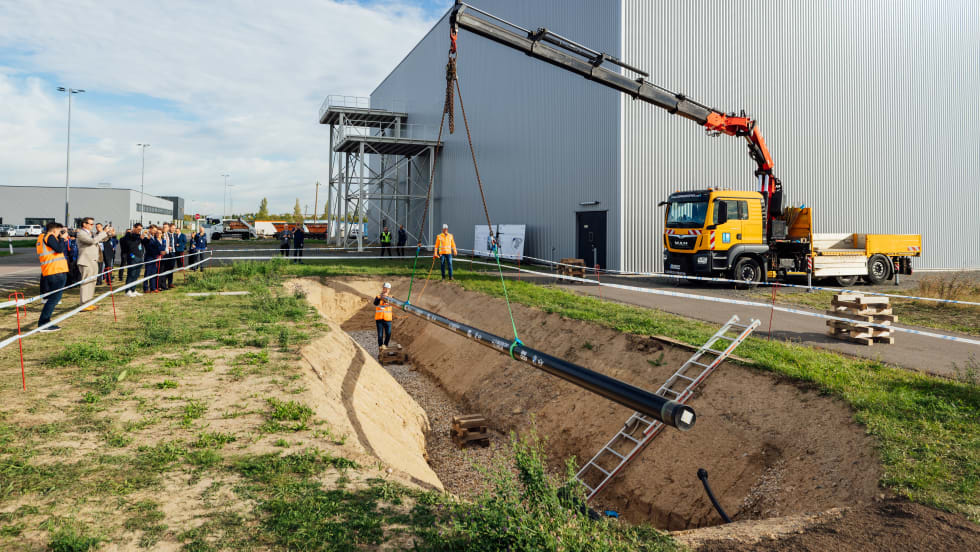
BMW Plant Pursues Cleaner Energy
BMW Group Plant Leipzig has utilized hydrogen to help power its production since 2013, but a new pipeline is planned to take it to another level.
Read More →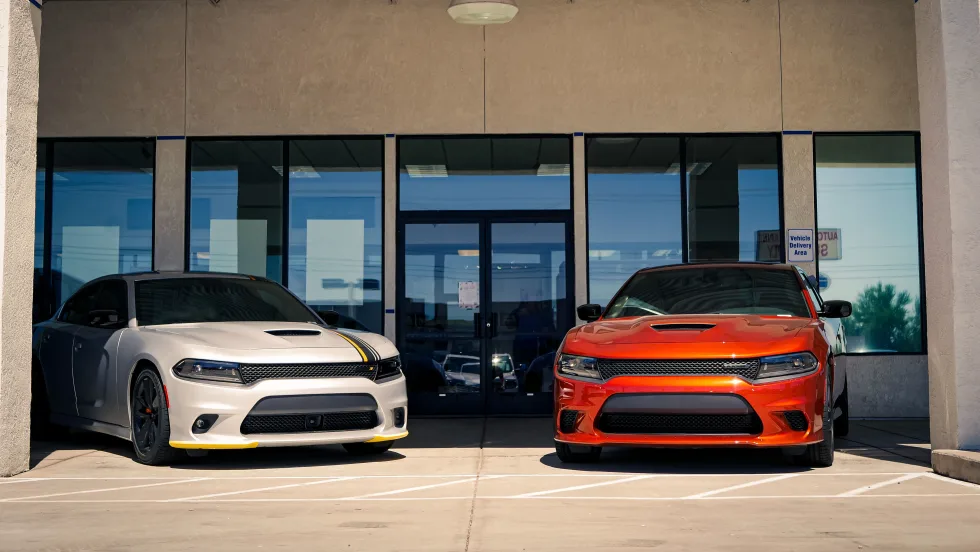
Auto Affordability Inches Up
The latest Cox Automotive and Moody’s Analytics index shows a slight increase in new-vehicle affordability despite high prices.
Read More →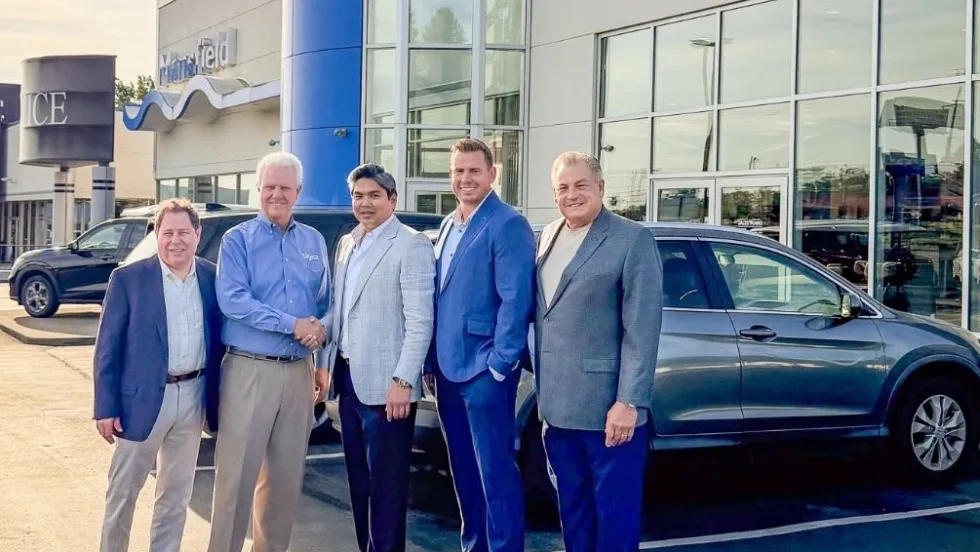
Ohio Auto Group Under New Ownership
After 79 years with the Schluter family, Mansfield Auto Group has been acquired by Missouri-based Clement Auto Group.
Read More →