



Bank Eliminates Dealer Markup, Cites CFPB Guidance

CHICAGO — Dealer customers of BMO Harris Bank were issued a notice Monday that the finance source has eliminated dealer discretion in the setting of interest rates on retail installment sale contracts. The change, according to the notice, is in response to the guidelines issued by the Consumer Financial Protection Bureau (CFPB).
“While no specific safe harbor has been identified by the CFPB, we have taken these proactive steps to follow current CFPB guidance while continuing to offer significant value to our dealer customers,” the notice, obtained by F&I and Showroom, read, in part.
In March 2013, the CFPB issued guidance claiming that potentially discriminatory markups in auto lending may result in tens of millions of dollars in consumer harm each year. The guidance has sparked much debate among dealer associations and lawmakers alike, who have questioned the CFPB’s methods and transparency related to determining the presence of discriminatory practices.
BMO Harris Bank took a survey of more than 3,000 of its dealer customers in February. According to the notice, it used those results to produce “a program that removes dealer discretion in pricing while continuing to compensate [dealers] … fairly and equitably.”
“…after careful consideration of the needs of our customers and the evolving regulatory environment, BMO Harris Bank is taking the lead in changing its indirect auto lending practices,” said Vice President and Head of Media Relations Jim Kappel in a statement emailed to F&I and Showroom. “We believe the new guidelines create greater pricing consistency at the dealer level and demonstrate the bank’s deep commitment to fair lending practices.
“We will continue to offer competitive rates and programs as our pricing model, which, combined with the high level of customer service we provide dealers, has helped to drive our growth in this segment.”
Under the new program, contracts must be delivered at the “buy rate” to be eligible for purchase by BMO Harris Bank. The bank will pay a flat fee of 3% of the amount financed — up to $2,000 — for contracts with maturities greater than 35 months.
The new policy went into effect on Thursday.
More Industry
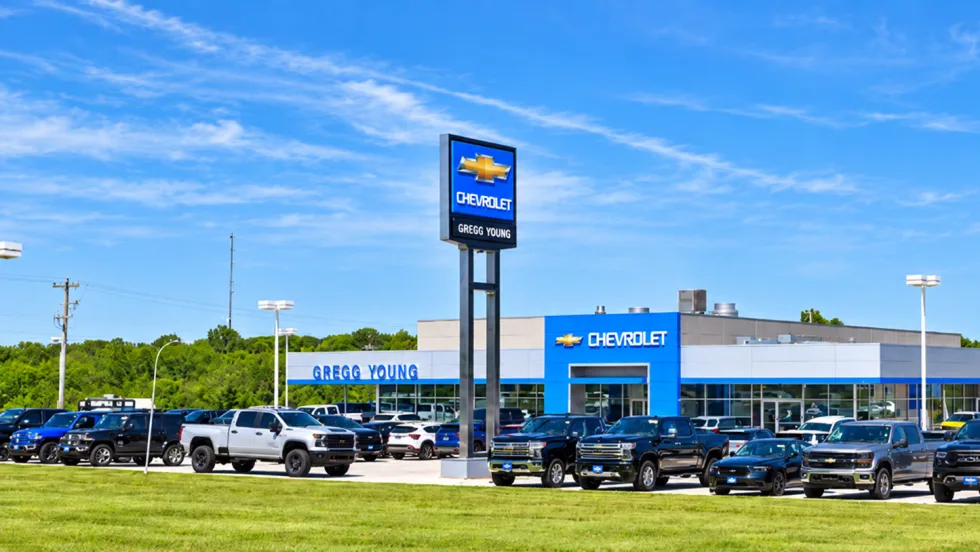
Nebraska Rooftop Changes Hands
The Gregg Young Automotive Group has sold its second dealership to Janssen Auto Group, both in Plattsmouth, Neb.
Read More →
Penske Auto Group Deal a Record
The deal to take the dealership and transportation services company private sets a new pace for industry buy-sell transactions.
Read More →
War Toll a Damper on Used Auto Prices
Cox Automotive found wholesale depreciation to be elevated in September amid high fuel prices and this year's unusual hurricane season.
Read More →
Bridge the Maintenance Gap
With many drivers missing recommended maintenance, service departments offering transparency and efficiency have a better chance of reaching financially strained consumers.
Read More →
California Store Has New Owner
The longtime dealership in the northern part of the state is known for robust fleet sales and has served the state capital for 115 years.
Read More →
BMW Plant Pursues Cleaner Energy
BMW Group Plant Leipzig has utilized hydrogen to help power its production since 2013, but a new pipeline is planned to take it to another level.
Read More →
Auto Affordability Inches Up
The latest Cox Automotive and Moody’s Analytics index shows a slight increase in new-vehicle affordability despite high prices.
Read More →
Ohio Auto Group Under New Ownership
After 79 years with the Schluter family, Mansfield Auto Group has been acquired by Missouri-based Clement Auto Group.
Read More →
RV Group Expands Carolina Footprint
Blue Compass RV Columbia Northeast is the 13th RV dealership owned by Blue Compass in the Carolinas.
Read More →
Agent Acumen
An Agent Summit panel of people who’ve been supporting auto dealers for years gave both timely and timeless advice for those starting out or mulling the prospect.
Read More →