



Average Transaction Price Rises in January
IRVINE, Calif. — The average transaction for a new vehicle increased by $1,123, or 3.3%, from a year ago to $34,968, according to Kelley Blue Book estimates. The average, however, was down by $453, or 1.3%, from December 2016. Driving the year-over-year strength in pricing was a sales mix in favor of utility vehicles, with ... Read More »

IRVINE, Calif. — The average transaction for a new vehicle increased by $1,123, or 3.3%, from a year ago to $34,968, according to Kelley Blue Book estimates. The average, however, was down by $453, or 1.3%, from December 2016.
Driving the year-over-year strength in pricing was a sales mix in favor of utility vehicles, with the Detroit Three among the greatest beneficiaries, the vehicle information site said.
“The changing mix of sales in favor of utility vehicles is the primary driver for the year-over-year strength, as average prices in SUV segments climbed modestly, while the prices of subcompact SUVs declined,” said Tim Fleming, analyst for Kelley Blue Book. “Demand for subcompact SUVs, one of the hottest segments in 2016, appears to be slowing down, although new models from Ford, Nissan and Toyota could help spark interest in the segment.”
The Detroit Three continue to perform well with some of the greatest year-over-year increases. In particular, General Motors climbed 4% in January 2017, as all of its brands reported increases in transaction prices. Cadillac had the greatest gain at 7%, thanks to the new CT6 sedan and XT5 crossover. Chevrolet rose 3%, with the new generation Camaro showing the most improvement, up 10% year-over-year. GMC increased 5% on a strong mix of its full-size SUVs, the Yukon and Yukon XL.
Nissan North America also continues to show gains in average transaction price, which was up 5% for January 2017. A sales mix in favor of SUVs and trucks is partially responsible, as well as the new Armada SUV, which recorded an average transaction price increase of 18%. The new Titan also is performing well, up 9%. Infiniti climbed 2% with help from the Q50 (up 9%) and its new lineup of engines, including the 400 horsepower Red Sport trim.
More Industry
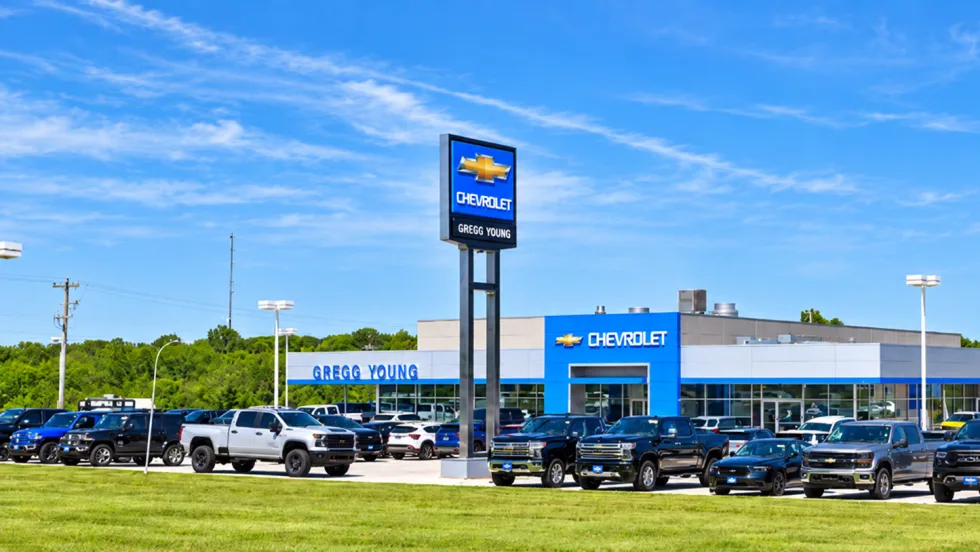
Nebraska Rooftop Changes Hands
The Gregg Young Automotive Group has sold its second dealership to Janssen Auto Group, both in Plattsmouth, Neb.
Read More →
Penske Auto Group Deal a Record
The deal to take the dealership and transportation services company private sets a new pace for industry buy-sell transactions.
Read More →
War Toll a Damper on Used Auto Prices
Cox Automotive found wholesale depreciation to be elevated in September amid high fuel prices and this year's unusual hurricane season.
Read More →
Bridge the Maintenance Gap
With many drivers missing recommended maintenance, service departments offering transparency and efficiency have a better chance of reaching financially strained consumers.
Read More →
California Store Has New Owner
The longtime dealership in the northern part of the state is known for robust fleet sales and has served the state capital for 115 years.
Read More →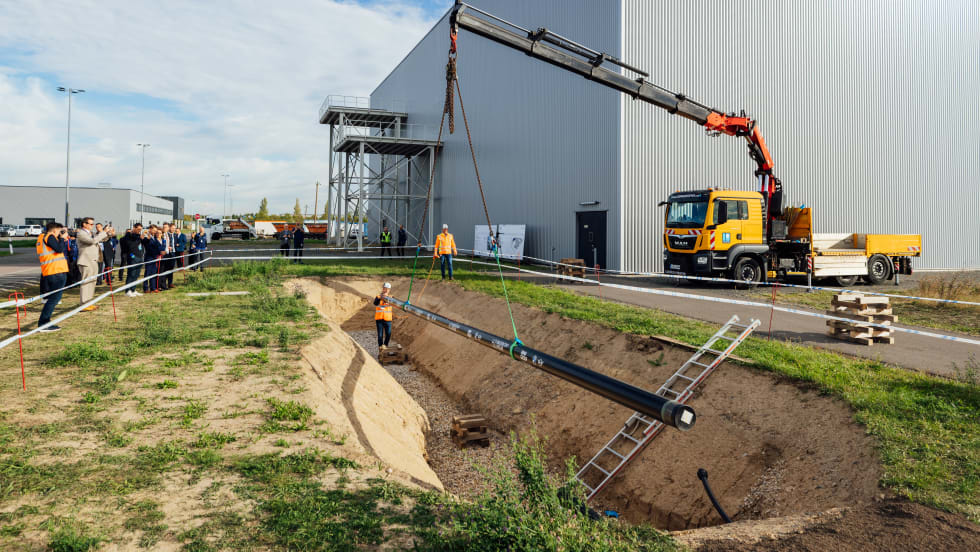
BMW Plant Pursues Cleaner Energy
BMW Group Plant Leipzig has utilized hydrogen to help power its production since 2013, but a new pipeline is planned to take it to another level.
Read More →
Auto Affordability Inches Up
The latest Cox Automotive and Moody’s Analytics index shows a slight increase in new-vehicle affordability despite high prices.
Read More →
Ohio Auto Group Under New Ownership
After 79 years with the Schluter family, Mansfield Auto Group has been acquired by Missouri-based Clement Auto Group.
Read More →
RV Group Expands Carolina Footprint
Blue Compass RV Columbia Northeast is the 13th RV dealership owned by Blue Compass in the Carolinas.
Read More →
Agent Acumen
An Agent Summit panel of people who’ve been supporting auto dealers for years gave both timely and timeless advice for those starting out or mulling the prospect.
Read More →