



Automotive CEO Pay Bounced Back in 2009

Despite last year's disastrous economy, CEOs of publicly traded automotive companies got big pay raises in 2009, Automotive News reported.
Most industry CEOs took the painful cuts in 2008 and were on the mend in 2009.
And executive pay at suppliers and public retailers is bouncing back faster than auto sales, especially when it comes to bonuses.
The average CEO's base salary did not change much from 2008, hovering around the $1 million mark. But total CEO compensation increased by nearly $1 million, averaging $3.9 million.
Equilar Inc., of San Mateo, Calif., conducted a survey for Automotive News of the compensation data of CEOs of publicly traded U.S. companies.
As in previous years, supplier executives filled the top slots on the list.
BorgWarner Inc.'s Tim Manganello received a 50 percent raise last year, making him the highest-paid automotive top executive in 2009.
Manganello made $11.5 million, with $7.3 million coming from vested stock award gains. That was almost as much as his $7.6 million total compensation in 2008.
Theodore Solso, CEO of Cummins Inc., was No. 2 at $9.9 million. Much of the total came from bonuses and stock award gains.
Lear Corp. CEO Robert Rossiter was No. 3 at $8.1 million.
The pay of Eaton Corp. CEO Alexander Cutler -- who had ranked No.1 for the previous two years -- plummeted from $16 million in 2008 to $6.9 million last year. Automotive operations account for about 10 percent of Eaton revenues, a spokesman said.
Despite Cutler's high pay ranking -- No. 4 -- his compensation dropped 57 percent from 2009. His pay decreased in every category, but most of the damage came from diminished stock value and a sharply reduced bonus. Cutler exercised stock options that earned him $4.4 million.
Ford Motor Co. CEO Alan Mulally, at No. 18, was the only automaker CEO in the top 20, with total compensation of $3.3 million, down from $3.9 million in 2008. Ford currently is the only publicly traded U.S. automaker.
More Industry

Penske Auto Group Deal a Record
The deal to take the dealership and transportation services company private sets a new pace for industry buy-sell transactions.
Read More →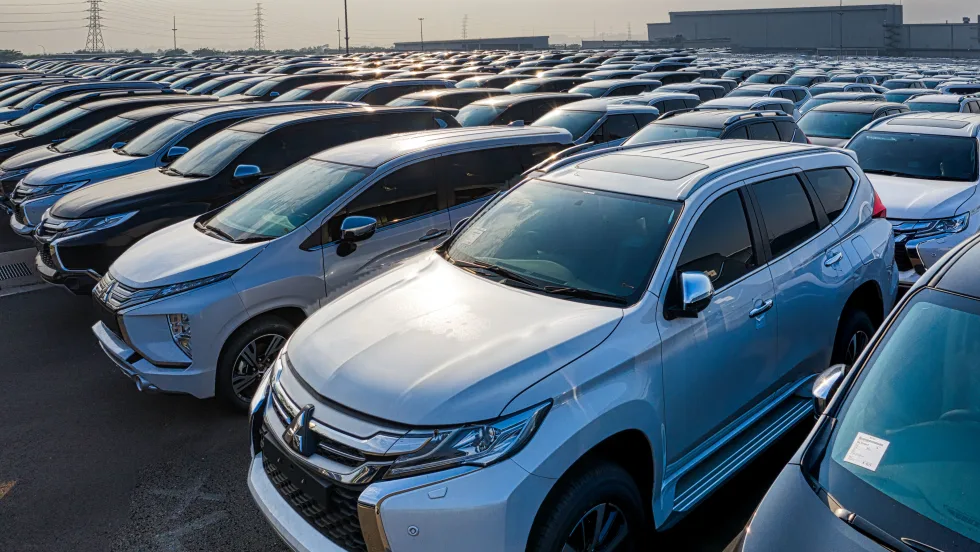
War Toll a Damper on Used Auto Prices
Cox Automotive found wholesale depreciation to be elevated in September amid high fuel prices and this year's unusual hurricane season.
Read More →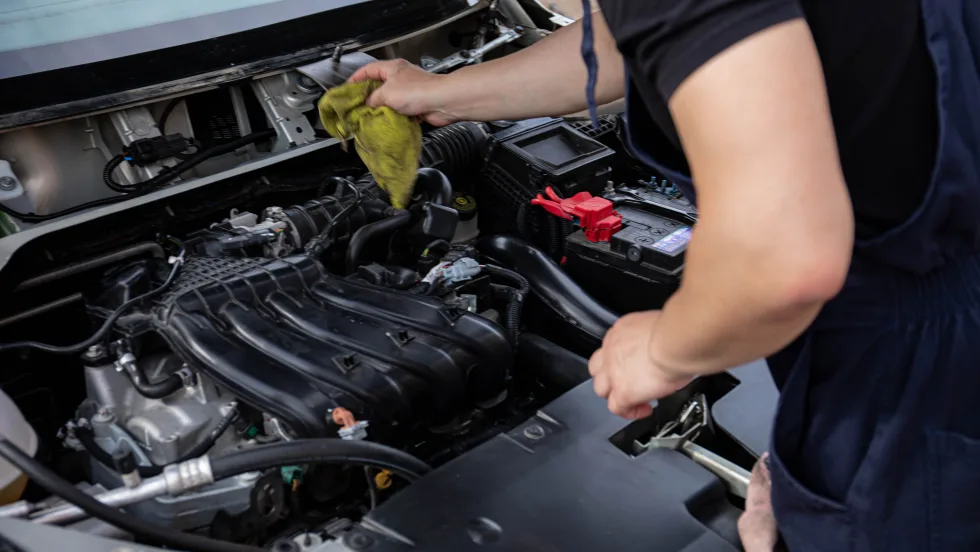
Bridge the Maintenance Gap
With many drivers missing recommended maintenance, service departments offering transparency and efficiency have a better chance of reaching financially strained consumers.
Read More →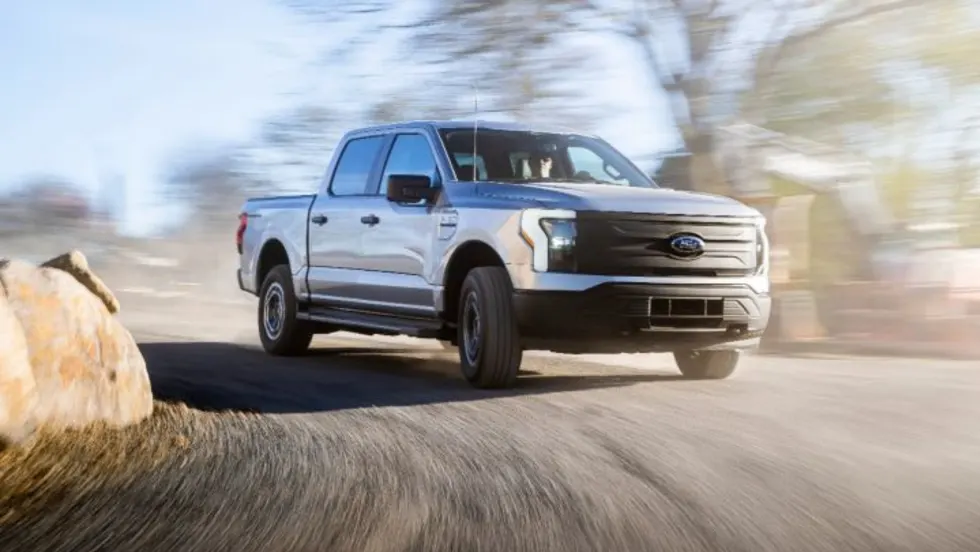
California Store Has New Owner
The longtime dealership in the northern part of the state is known for robust fleet sales and has served the state capital for 115 years.
Read More →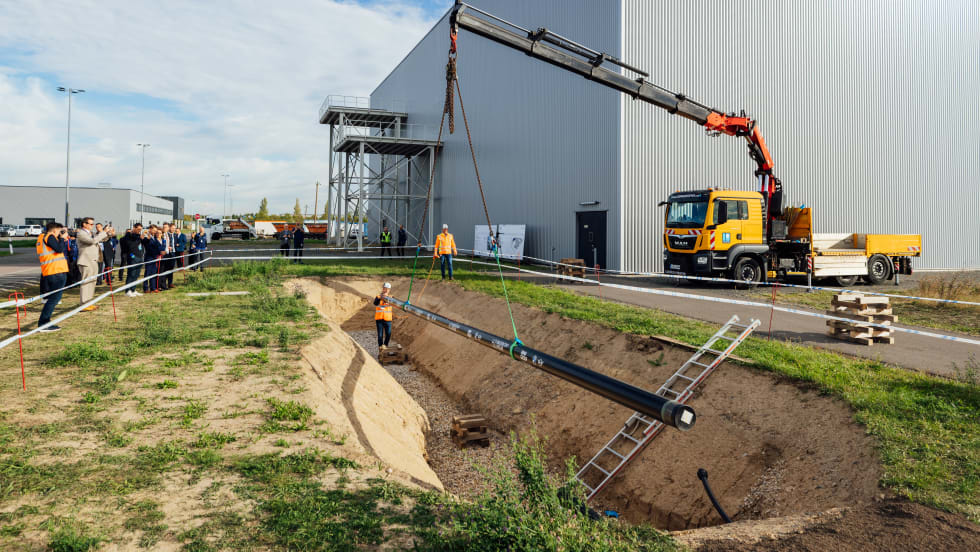
BMW Plant Pursues Cleaner Energy
BMW Group Plant Leipzig has utilized hydrogen to help power its production since 2013, but a new pipeline is planned to take it to another level.
Read More →
Auto Affordability Inches Up
The latest Cox Automotive and Moody’s Analytics index shows a slight increase in new-vehicle affordability despite high prices.
Read More →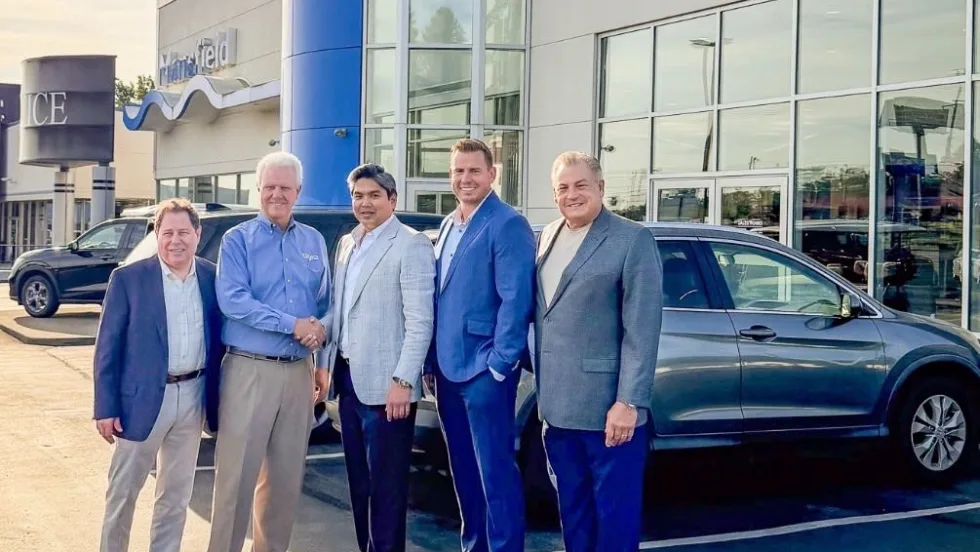
Ohio Auto Group Under New Ownership
After 79 years with the Schluter family, Mansfield Auto Group has been acquired by Missouri-based Clement Auto Group.
Read More →
RV Group Expands Carolina Footprint
Blue Compass RV Columbia Northeast is the 13th RV dealership owned by Blue Compass in the Carolinas.
Read More →
Agent Acumen
An Agent Summit panel of people who’ve been supporting auto dealers for years gave both timely and timeless advice for those starting out or mulling the prospect.
Read More →
Missed Maintenance Creates Opportunity
As families get back on the road and into daily school routines, service drives have an opportunity to capture customers who are behind on recommended vehicle maintenance.
Read More →