



Auto Makers, White House Spar on Fuel-Economy Goal

DETROIT- The Obama administration and auto industry are deeply divided over whether future advancements in battery technology can support a proposal to roughly double fuel economy to 56 miles on a gallon of gasoline by 2025.
On Monday, U.S. Department of Energy Secretary Steven Chu headed to Detroit to tout advanced technology initiatives, including the promise of electric vehicles. He was greeted with skepticism from politicians and auto makers, including General Motors Co., which is partly-owned by the U.S, reported The Wall Street Journal.
Government officials have estimated the costs of meeting the mileage and emissions target would add between $770 and $3,500 to the cost of a new car in 2025. The Alliance of Automobile Manufacturers, the industry's main trade group, has said research shows such big gains in fuel economy could raise vehicle prices by $6,000 or more.
Mr. Chu, who toured auto-battery supplier A123 Systems Inc., said there is a "50-50" chance that by 2021 auto companies will be able to produce a $20,000 battery-powered car that goes 300 miles on a single charge, reflecting a belief that battery costs will fall precipitously within the next decade.
The Nissan Leaf, the best-selling electric car in the U.S., gets about 75 miles on a charge and costs $33,000. Improvements in battery technology and growth in biofuels will drive improvements in fuel economy of light trucks, Mr. Chu insisted. "We need to diversify [technologies] to get there," he said.
The industry has won concessions as the White House scrambled to win support for the goals. In the latest victory for auto makers, the White House agreed to re-evaluate the fuel economy target in 2020 and either ease rules or toughen them based on how far the industry has progressed at that time, people familiar with the matter said. Light trucks, particularly big pickups and sport utility vehicles, will gain more leniency under the rules.
The White House declined to discuss issues involved in the talks but said discussions are "constructive."
Auto makers technically could build vehicles to meet the 56 mpg target now, but those vehicles would be too small and costly. and would lack the necessary safety features to be commercially viable, said Alan Taub, GM's vice president of global research and development. He said the administration's technical assessment appears to count some of the same technological advancements twice, overestimating the potential for improvement.
"That's a little more aggressive than our road map," Mr. Taub said. "The technology to make these vehicles exists, but can we make them robust, and can we drive the cost down?"
He said it makes little sense to rely on battery technology to bring down fuel costs of light trucks, such as pickups and SUVs.
Michigan lawmakers have asked administration officials to explain how they reached the 56.2 mpg target and outline what assumptions they are making in contending the goal is within reach. "We're trying to get the administration to answer fundamental questions about where this [figure] came from," Sen. Carl Levin said.
He said he has requested that the White House provide data including how many vehicles they believe will feature advanced technology and how much mileage will be requires in of vehicles in different classes.
More Industry

Penske Auto Group Deal a Record
The deal to take the dealership and transportation services company private sets a new pace for industry buy-sell transactions.
Read More →
War Toll a Damper on Used Auto Prices
Cox Automotive found wholesale depreciation to be elevated in September amid high fuel prices and this year's unusual hurricane season.
Read More →
Bridge the Maintenance Gap
With many drivers missing recommended maintenance, service departments offering transparency and efficiency have a better chance of reaching financially strained consumers.
Read More →
California Store Has New Owner
The longtime dealership in the northern part of the state is known for robust fleet sales and has served the state capital for 115 years.
Read More →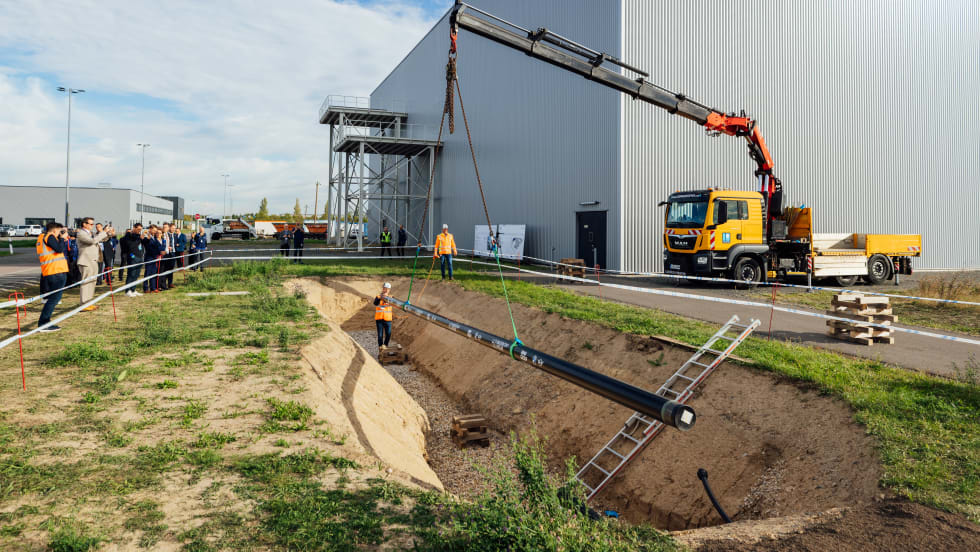
BMW Plant Pursues Cleaner Energy
BMW Group Plant Leipzig has utilized hydrogen to help power its production since 2013, but a new pipeline is planned to take it to another level.
Read More →
Auto Affordability Inches Up
The latest Cox Automotive and Moody’s Analytics index shows a slight increase in new-vehicle affordability despite high prices.
Read More →
Ohio Auto Group Under New Ownership
After 79 years with the Schluter family, Mansfield Auto Group has been acquired by Missouri-based Clement Auto Group.
Read More →
RV Group Expands Carolina Footprint
Blue Compass RV Columbia Northeast is the 13th RV dealership owned by Blue Compass in the Carolinas.
Read More →
Agent Acumen
An Agent Summit panel of people who’ve been supporting auto dealers for years gave both timely and timeless advice for those starting out or mulling the prospect.
Read More →
Missed Maintenance Creates Opportunity
As families get back on the road and into daily school routines, service drives have an opportunity to capture customers who are behind on recommended vehicle maintenance.
Read More →