



Auto Loan Picture Calms
Delinquency rates flatten and are expected to fall next year.


Serious auto loan delinquencies started rising in 2022 and are at about 1.5% this year. TransUnion projects they’ll fall to 1.4% next year.
Pexels/Sora Shimazaki
Automotive loan delinquencies, after two straight years of increases, are forecast to stabilize as 2024 winds down.
Many consumers, beset by inflation and high interest rates intended to curtail it, have struggled to keep up with heavier debt loads.
Now projections by credit reporting agency TransUnion have delinquencies flattening in the fourth quarter and falling a year from now.
Meanwhile, the rate of serious delinquencies are expected to stay flat this quarter before falling about seven basis points in next year’s fourth quarter, TransUnion forecasts. It classifies serious delinquency cases as 60 or more days in arrears.
“One common thread that we see across lending categories is moderation in serious delinquency, likely driven by a stabilizing economy,” said company Head of Financial Services Jason Laky in a press release.
Serious auto loan delinquencies started rising in 2022 and are at about 1.5% this year. TransUnion projects they’ll fall to 1.4% next year.
“Consumers are returning to a financial equilibrium, increasingly finding the room needed in their monthly budgets to make on-time payments and avoid falling behind,” Laky said. “Economic conditions are forecast to continue to gradually improve in 2025. As lenders look for loan growth next year, they should use all of the tools at their disposal to make the best possible lending decisions.”
TransUnion’s forecast is based on conditions such as anticipated consumer spending, disposable personal income, inflation, unemployment rate other metrics.
LEARN MORE: Pandemic-Era Prices Affect Trade-Ins
Originally posted on Auto Dealer Today
More Industry

Penske Auto Group Deal a Record
The deal to take the dealership and transportation services company private sets a new pace for industry buy-sell transactions.
Read More →
War Toll a Damper on Used Auto Prices
Cox Automotive found wholesale depreciation to be elevated in September amid high fuel prices and this year's unusual hurricane season.
Read More →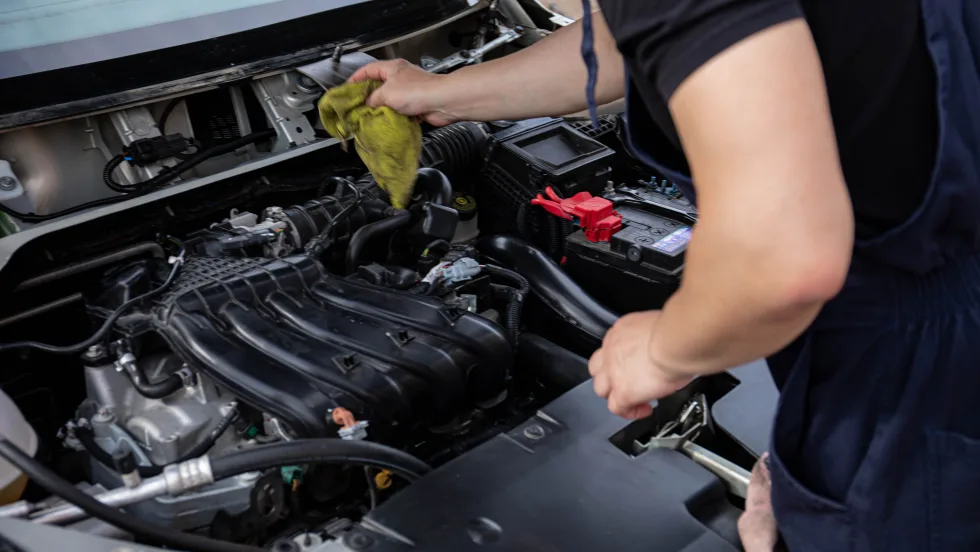
Bridge the Maintenance Gap
With many drivers missing recommended maintenance, service departments offering transparency and efficiency have a better chance of reaching financially strained consumers.
Read More →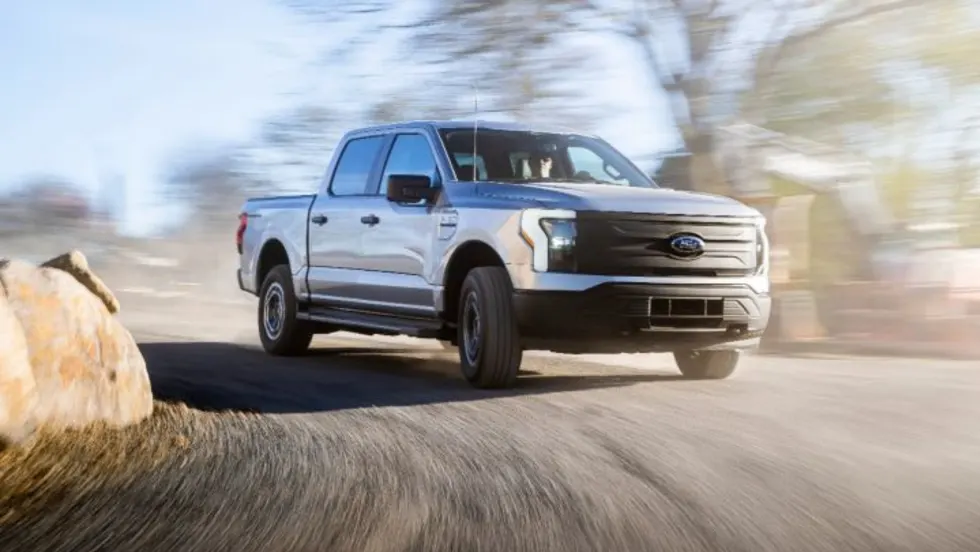
California Store Has New Owner
The longtime dealership in the northern part of the state is known for robust fleet sales and has served the state capital for 115 years.
Read More →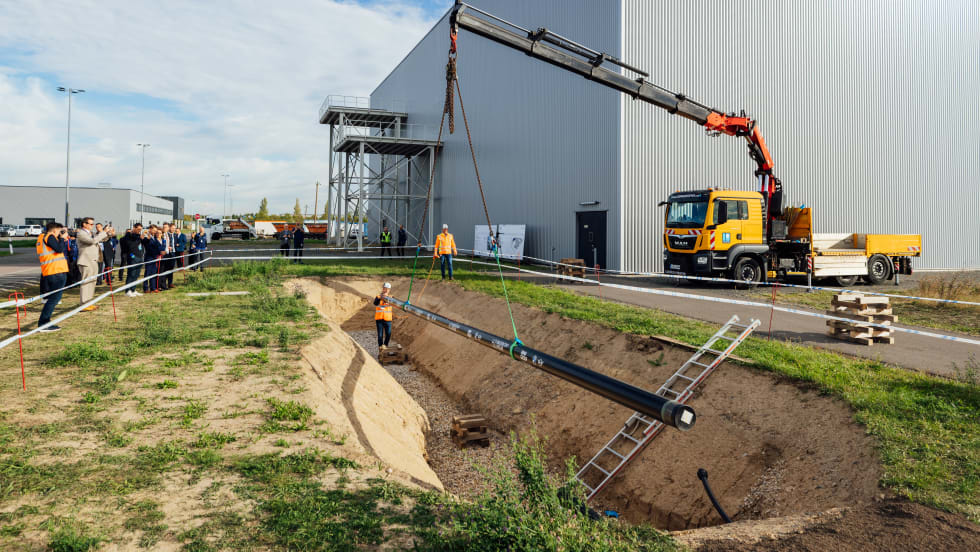
BMW Plant Pursues Cleaner Energy
BMW Group Plant Leipzig has utilized hydrogen to help power its production since 2013, but a new pipeline is planned to take it to another level.
Read More →
Auto Affordability Inches Up
The latest Cox Automotive and Moody’s Analytics index shows a slight increase in new-vehicle affordability despite high prices.
Read More →
Ohio Auto Group Under New Ownership
After 79 years with the Schluter family, Mansfield Auto Group has been acquired by Missouri-based Clement Auto Group.
Read More →
RV Group Expands Carolina Footprint
Blue Compass RV Columbia Northeast is the 13th RV dealership owned by Blue Compass in the Carolinas.
Read More →
Agent Acumen
An Agent Summit panel of people who’ve been supporting auto dealers for years gave both timely and timeless advice for those starting out or mulling the prospect.
Read More →
Missed Maintenance Creates Opportunity
As families get back on the road and into daily school routines, service drives have an opportunity to capture customers who are behind on recommended vehicle maintenance.
Read More →