



Auto Credit Crunch Tightens
Borrowers taking on more debt, moving many into delinquent territory.


The percentage of borrowers late on their payments by 60 days or more rose year-over-year from 1.2% to 1.3% in the first quarter.
RDNE Stock
Automotive debtors' burdens are getting heavier.
A study by Transunion found that average monthly debt responsibility rose 20% over the past two years, far outpacing Consumer Price Index growth.
The credit bureau said the average monthly auto loan payment has climbed steadily since the first quarter of 2022, from $1,345 to $1,583 in this year’s first quarter. It said that’s almost double CPI increases over the same time frame.
So it’s not a surprise that delinquencies have gone up during that period. Borrowers late on their payments by 60 days or more rose year-over-year from 1.2% to 1.3%.
The turn of events is curtailing deliveries, despite revived inventory and increased incentives, Transunion said.
“Just as auto inventories began to recover from the worst of the pandemic era supply chain shortages, elevated inflation and higher interest rates that followed have put consumers in a tight financial bind,” said Executive Vice President of Financial Services Jason Laky in a press release. “As a result, many have been taking on additional and larger monthly payments each month to service higher debt levels. This has likely contributed to some consumers holding off on buying or leasing a new auto.”
The debt pressures are particularly affecting below-prime borrowers, the bureau said.
Originally posted on Auto Dealer Today
More Industry

Penske Auto Group Deal a Record
The deal to take the dealership and transportation services company private sets a new pace for industry buy-sell transactions.
Read More →
War Toll a Damper on Used Auto Prices
Cox Automotive found wholesale depreciation to be elevated in September amid high fuel prices and this year's unusual hurricane season.
Read More →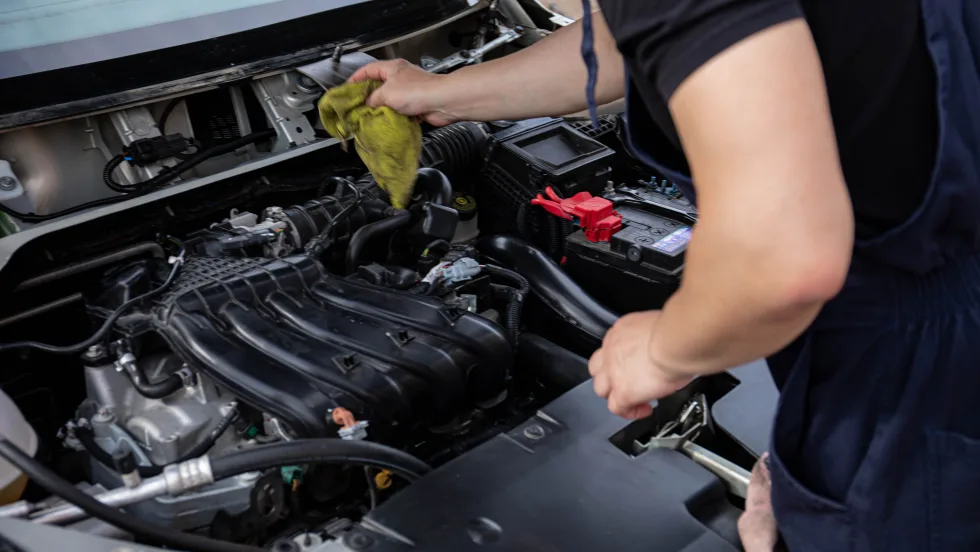
Bridge the Maintenance Gap
With many drivers missing recommended maintenance, service departments offering transparency and efficiency have a better chance of reaching financially strained consumers.
Read More →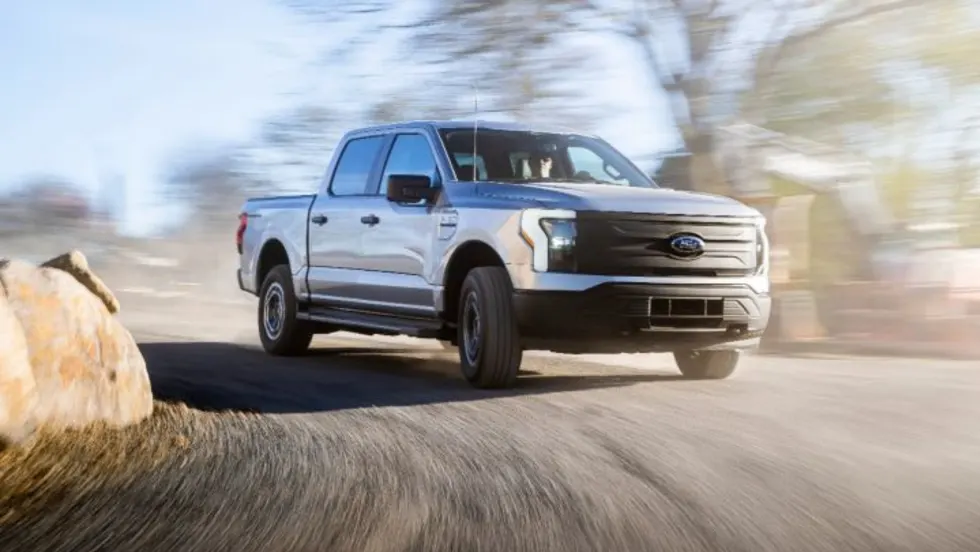
California Store Has New Owner
The longtime dealership in the northern part of the state is known for robust fleet sales and has served the state capital for 115 years.
Read More →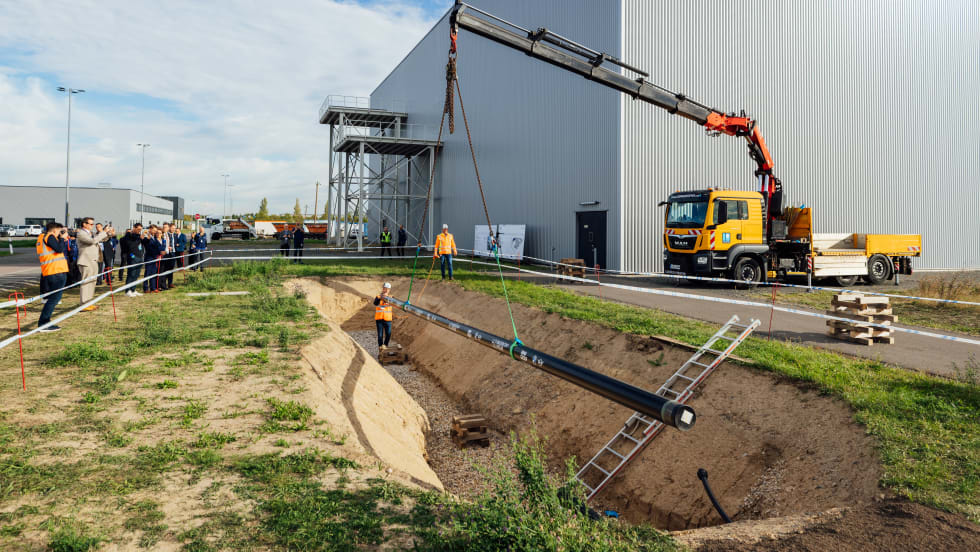
BMW Plant Pursues Cleaner Energy
BMW Group Plant Leipzig has utilized hydrogen to help power its production since 2013, but a new pipeline is planned to take it to another level.
Read More →
Auto Affordability Inches Up
The latest Cox Automotive and Moody’s Analytics index shows a slight increase in new-vehicle affordability despite high prices.
Read More →
Ohio Auto Group Under New Ownership
After 79 years with the Schluter family, Mansfield Auto Group has been acquired by Missouri-based Clement Auto Group.
Read More →
RV Group Expands Carolina Footprint
Blue Compass RV Columbia Northeast is the 13th RV dealership owned by Blue Compass in the Carolinas.
Read More →
Agent Acumen
An Agent Summit panel of people who’ve been supporting auto dealers for years gave both timely and timeless advice for those starting out or mulling the prospect.
Read More →
Missed Maintenance Creates Opportunity
As families get back on the road and into daily school routines, service drives have an opportunity to capture customers who are behind on recommended vehicle maintenance.
Read More →