



Are Automakers On Track To Meet 54.5 mpg By 2025?

Via MLive
DETROIT, MI- The government’s Corporate Average Fuel Economy regulations are driving automakers to develop more fuel-efficient technologies for vehicles across their portfolios.
And according to a new study from the Consumer Federation of America, U.S. automakers appear to be on the right track to meet the federal regulations of 54.5 miles per gallon by 2025.
For the first time ever, over 50 percent of 2014 model-year vehicles get more than 23 miles per gallon, according to the consumer advocacy organization. After categorizing nearly 1,100 passenger vehicles into 10 different mpg rating categories, CFA concluded that 2014 is a “historic year for automakers.”
“The number of models getting over an impressive 30 mpg is 11.6 percent, a huge jump from the 1.3 percent that got over 30 mpg just five years ago,” said Jack Gillis, director of public affairs for CFA and author of The Car Book, in a release. “And, for the first time, there are no 2014 models getting below 13 mpg,”
CFA selected 23 mpg as a benchmark for its analysis because it is the EPA fuel economy label equivalent to the 30.6 mpg overall CAFE requirement for 2014. Exotics cars and delivery vans were not included.
The results, while positive, come a month after an U.S. Environmental Protection Agency official, only 5 percent of vehicles sold last year met the government’s 2017-2025 fuel economy standards of 54.5 miles per gallon. That’s compared to 7 percent meeting the 2020 regulations and 25 percent met the 2016 guidelines, which are set at 35.5 mpg.
“We’re already seeing that there are manufacturers that are producing vehicles in significant numbers which meet the 2025 standards,” said Michael Olechiw, EPA director of light-duty vehicle and small engine center, during a panel discussion last month at the Automotive World Megatrends 2014 USA conference in Dearborn.
Olechiw said despite the levels sold last year, the EPA expects that with the implementation of technologies that automakers are on a "very good path” to meeting the regulations, which were proposed in July 2011 and finalized by the Obama administration in August 2012.
Olechiw said vehicles sold today that meet the 2025 standard are primarily electrified vehicles.
The standards are measured by the average fuel economy of vehicles sold by model-year for automakers. If the mpg averages don’t increase, the final numbers can be altered during a mid-term review in 2017.
More Industry

Ohio Auto Group Under New Ownership
After 79 years with the Schluter family, Mansfield Auto Group has been acquired by Missouri-based Clement Auto Group.
Read More →
RV Group Expands Carolina Footprint
Blue Compass RV Columbia Northeast is the 13th RV dealership owned by Blue Compass in the Carolinas.
Read More →
Agent Acumen
An Agent Summit panel of people who’ve been supporting auto dealers for years gave both timely and timeless advice for those starting out or mulling the prospect.
Read More →
Missed Maintenance Creates Opportunity
As families get back on the road and into daily school routines, service drives have an opportunity to capture customers who are behind on recommended vehicle maintenance.
Read More →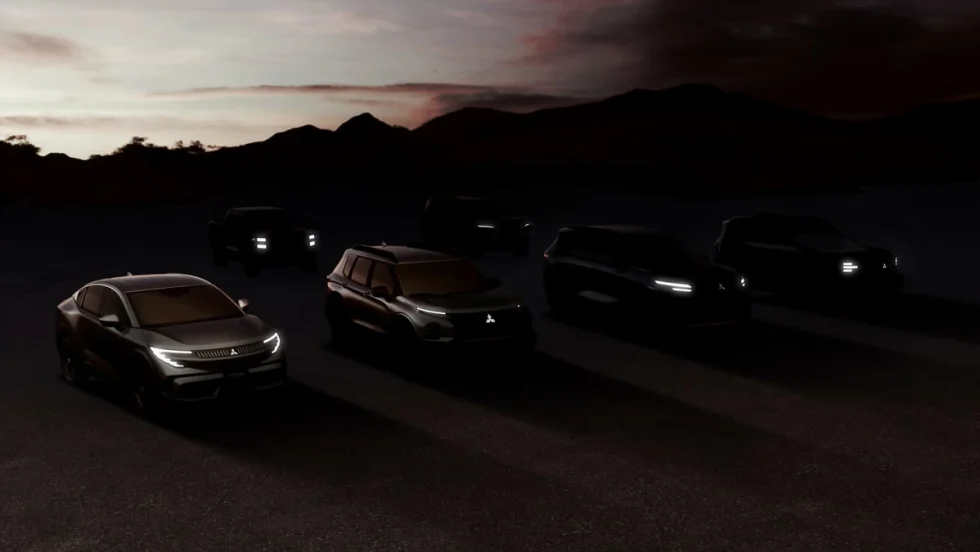
Mitsubishi Unveils U.S. Plan
The automaker announced a strategy that includes an expanded lineup and dealership presence, along with more ‘rugged’ and electric models.
Read More →
Selling to Grow
The question of whether you should sell your agency and if so, when, is up to you. But it’s a question worth asking to ensure you keep the business on the right path for yourself, employees and clients.
Read More →
Recalled Vehicles Hit 5-Year High
Though the number of events has fallen so far this year, impacted units are up significantly. Meanwhile, regulators consider consumer notification changes.
Read More →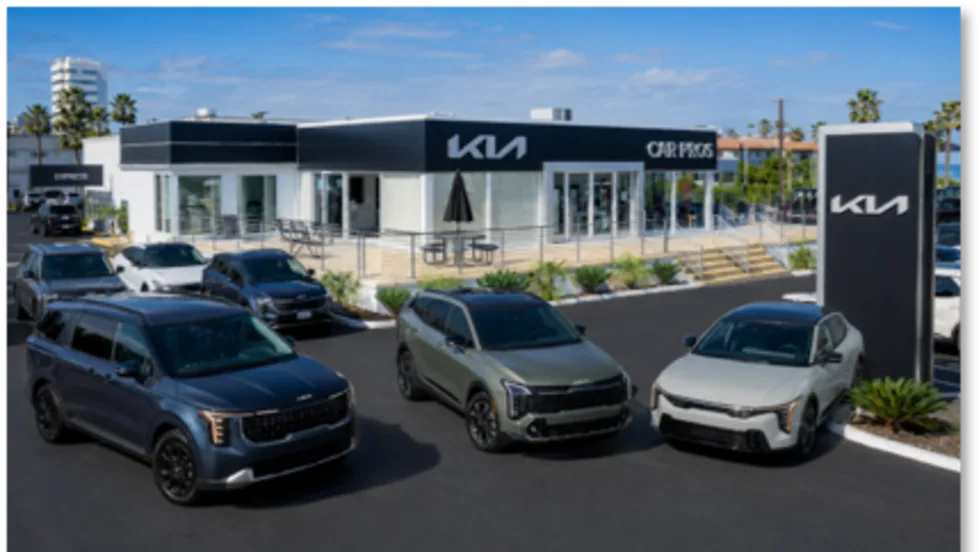
Auto Group Acquires Top-Performing Rooftop
Car Pros sold its Kia Huntington Beach location to Sutherlin Automotive Group, marking the buyer’s third location in Southern California.
Read More →
China as Pacesetter
Automotive leaders huddled on where North America stands in the global picture and how it can strengthen its position against the Asian juggernaut’s surging industry.
Read More →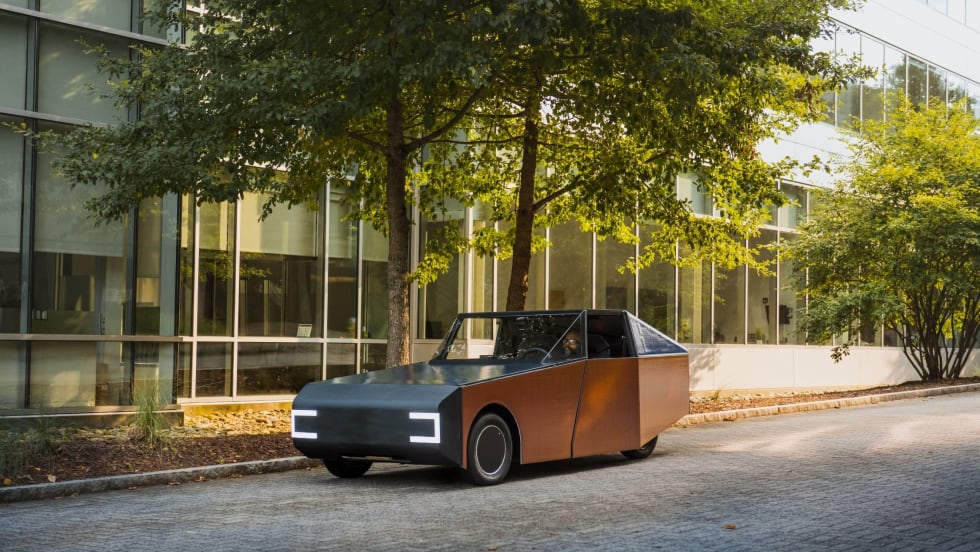
BMW Concept Car Makes Fuel to Burn
The prototype developed in concert with a South Carolina university engineering team generates more solar energy than it uses in a typical daily commute.
Read More →